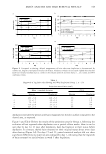
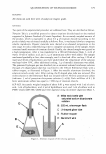
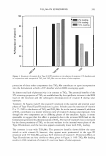
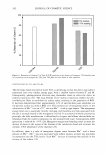
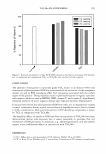
370 JOURNAL OF COSMETIC SCIENCE We have searched among various plant extracts for ingredients that can generate cell contraction forces, using fibroblast-populated collagen gels, the so-called dermal equiva lent model ( 4). We now report that an extract of horse chestnuts (Aesculus hippocastanurn) is able to induce such contraction forces in fibroblasts. The horse chestnut extract is safe and suitable for cosmetic formulation. Therefore, the wrinkle smoothing efficacy of this extract was evaluated for its efficacy as an anti-aging agent. MATERIALS AND METHODS PLANT EXTRACT AND REAGENTS The horse chestnut (Aesculus hippocastanurn) extract was purchased from Maruzen Phar maceutical Co., Ltd. (Hiroshima, Japan). The residue of this extract was about 1.0 weight/volume % (residue weight %). Other extracts, sage (Salvia officinalis), Baikal skullcup (Scutellaria baicalensis), and Amur corktree (Phellodendron arnurense), were pur chased from Maruzen. Ginger (Zingiber officinale) and milk vetch (Astragalus sinicus) were purchased from Ichimaru Pharcos Co. (Gifu, Japan). Thrombin, lysophosphatidic acid (LPA), and cytochalasin D were purchased from Sigma Chemical Co. (St. Louis, MO). CELL CULTURE Human fibroblasts were purchased from Dainihon Pharmaceutical Co., Ltd. (Osaka, Japan). They were cultured in Dulbecco's Modified Eagle's Medium (DMEM), supple mented with 5 % fetal calf serum (FCS) and an antibiotic-antimycotic (Gibco), at 3 7 degrees in humidified 5 % CO 2 , 95 % air. The cells were removed from the dishes by treatment with trypsin/EDT A and were subcultivated at a 1 :4 split ratio. Fibroblasts from the third to the eighth passage were used in this study. PREPARATION OF FIBROBLAST-POPULATED COLLAGEN GELS Collagen gels containing fibroblasts were prepared as previously described (1). Briefly, the required amount of collagen solution (cell matrix Type I, Nitta Gelatin Inc, Tokyo, Japan), concentrated DMEM, HEPES-NaCO 3 solution, FCS, distilled water, and fibro blasts were gently mixed at 4°C, giving a suspension at a final density of 3.0 x 10 5 cells/ml and 1.5 mg/ml collagen. The collagen/cell suspension was poured into a silicon elastomer mold (25 mm x 45 mm, 5 mm depth), and incubated at 3 7°C to gel, as described previously (1). Twenty-four hours later, serum-free medium was added, the mold was removed, and the gel was allowed to float in the serum-free medium. MEASUREMENT OF CONTRACTION FORCE GENERATION Contraction forces generated by fibroblasts cultured in the collagen gel were measured as described previously (1). Briefly, each collagen gel containing fibroblasts was mounted in an isometric transducer at its original length and bathed in serum-free DMEM kept at 3 7°C. Each gel was allowed to equilibrate for one hour prior to each experiment to ensure a stable baseline. Serum-free DMEM, including the plant extract, was added

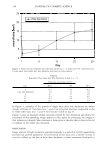
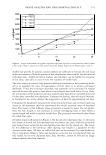
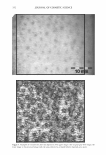
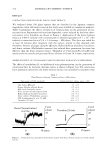
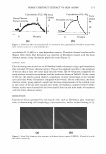
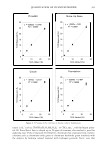
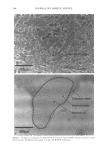
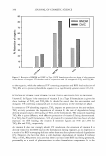
HORSE CHESTNUT EXTRACT VS SKIN AGING 371 directly to the bath, and changes in the contraction force were recorded using a BIOPAC system (BIOPAC Systems Inc., Santa Barbara, CA). INHIBITORY EFFECT OF CYTOCHALASIN D The horse chestnut extract (0.001 residue %) or thrombin (2 U/ml) was added to the gel to induce the contraction force generation as detailed above. Cytochalasin D (2 µM) was also added to the suspension, and changes in force generation were detected. FLUORESCENCE MICROSCOPY OF STRESS FIBERS Fibroblasts on collagen-coated chamber slides were cultured in serum-free DMEM for 24 hours. The cells were treated with the horse chestnut extract (0.0003 residue % ) or thrombin (1 U/ml) for ten minutes. Next, they were fixed in formalin and then treated with ice-cold methanol for a few minutes. The cells were then treated with rhodamine phalloidin (Molecular Probes Inc., Eugene, OR) and observed by fluorescence micros copy. SUBJECTS AND STUDY DESIGN Clinical testing was carried out on 40 healthy female volunteers (aged 35-45 years, mean 38.4 years) after they gave informed consent. Tests were carried out on the entire face, in a double-blind manner. Twenty subjects used the gel formulation including the horse chestnut extract, and another twenty subjects used a placebo. The wrinkle-smoothing efficacy was evaluated by visual scoring based on photo scales by a specialist (5). Briefly, the severity of wrinkling was graded from O to 4: grade O = none grade l = mild grade 2 = mild/moderate grade 3 = moderate and grade 4 = severe. Quarter-intermediate grades (every 0.25) were also used in this evaluation (a total of 17 stages). Before the scoring, each volunteer stayed in a room with constant temperature (about 25°C) and humidity (34-40%) for at least 15 minutes prior to analysis. TOPICAL APPLICATION The gel formulation included 3% of the horse chestnut extract and was applied topically at the periphery of the eye twice daily (in the morning and evening) for nine weeks placebo gels without the horse chestnut extract were used as a control. Gels included detergent (Emanon CH40: PEG-40 hydrogenated castor oil (0.5 w/w%)) sodium alginate (1.0 w/w%, Mw. ca. 70000) 86% glycerol (5.0 w/w%) methylparaben (0.2 w/w%) as an antiseptic agent and purified water. Each subject applied about 0.2 ml of the appropriate gel per application. STATISTICAL ANALYSIS The Mann-Whitney U test was used for statistical analysis of the clinical results, and p 0.05 is considered significant. All in vitro experiments were performed at least twice, and data from one representative experiment are shown in the figures.
Purchased for the exclusive use of nofirst nolast (unknown)
From: SCC Media Library & Resource Center (library.scconline.org)