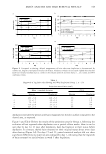
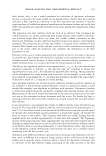
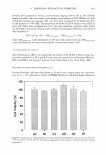
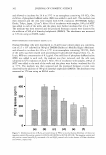
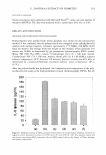
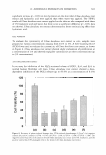
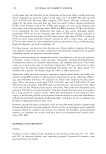
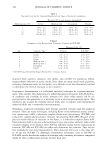
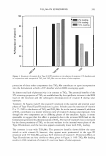
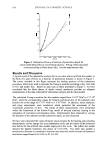
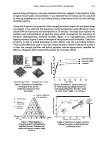
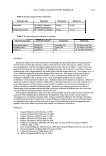
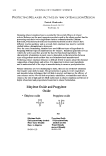
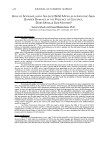
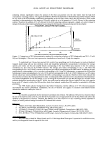
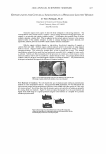
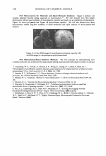
2006 ANNUAL SCIENTIFIC SEMINAR 415 rates of drug and fragrance were thus established based on changes in the refractive index of tightly bound layers of nanohybrids. It was observed that the release can be controlled by varying properties such as cross linking density, temperature sensitivity and swelling/ shrinking capacity. Along with fragrance, the potential of the nanogel particles to extract the overdosed drugs was studied. It was observed that poly(acrylic acid) nanoparticles could efficiently extract around 60% of bupivacaine and amitriptyline in IO minutes. The study also explored the synthesis and characterization of optically active chiral nanoparticles for extraction of attributes. Hydrophilically modified silicones (figure 3) or hydrophobically modified organic polymers (figure 4) have advantages of both polymers and surfactants. They have an ability to fold or unfold depending on their affinity with the surrounding medium, which can be effectively used to store and release attributes. Based on the above studies it is clear that nanogel particles and hybrid polymers that are appropriately modified for affinity to fragrance hold considerable potential for controlled release. Dry particle size., 40 nm Wet particle size= 140 nm Figme 1: Illustration of morphology of nanogels in dry and wet conditions using atomic force microscopy • 1tablc c:mulaion • Em.ulaion+ exc:cu waler • Em.ulaion+ cxceu oil 100 Silicone surfactant (1 % modified) II Propyl ..... modiW 1-,illlliMfflOlihl Ummilllll o---r---�--r----.---......---, 0 m Bl D Bl .D nme,milllll• Figure 2: Extraction of linalyl acetate(LA) by modified and lDIDlodified poly(acrylic acid) nanogels(PAANG). PAANG: 10mg in lOtnL of pH 7 buffer. LA: 0.010mg n■l\lral pH • pt-t-3.8 g't,7 Nae Figme 4: Extraction of organic actives by diluting the solution of hydrophobically modified polymers

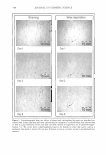
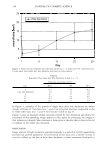
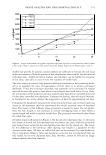
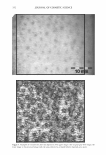
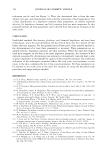
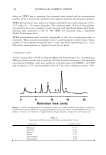
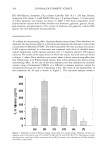
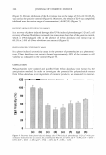
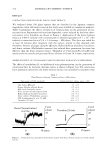
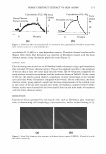
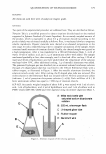
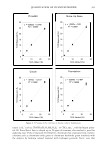
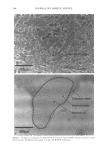
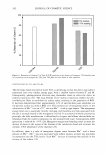
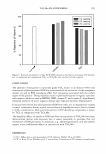
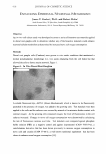
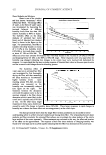
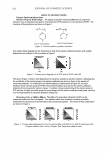
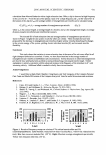
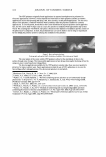
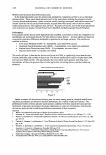
416 JOURNAL OF COSMETIC SCIENCE ENHANCING EPIDERMAL NEURONAL METABOLISM Objective James V. Gruber1, Ph.D. and Robert Holtz2 1 Arch Personal Care, 70 Tyler Place, South Plainfield, NJ 07080 2 Bioinnovation Laboratories, 321 N. Central Expressway, McKinney, TX 75070 An in vitro cell culture study was developed to screen a series of bioactive test materials applied to dorsal root ganglia cells to determine whether any of the bioactive materials could enhance neuronal cellular metabolism as detennined by increased nerve ce11 oxygen consumption. Methods Dorsal root ganglia cells (Cambrex) were grown in vitro under conditions that maintained a normal pseudounipolar morphology (i.e., two axons emanating from the cell body) but that allowed the cells to fonn a neurite network, Figure 1. Figure 1. In Vitro Dorsal Root Ganglion A soluble fluorescent dye, A65N-l (Alexis Biochemicals) which is known to be fluorescently quenched in the presence of oxygen, was added to the growing cells. Test materials were then applied to the cells and the cultures were covered by mineral oil to minimize further contact with external oxygen. As the growing cells consumed oxygen, the level of fluorescence in the cell cultures increased. Changes in nerve cell oxygen consumption were determined by calculating the rate of fluorescence increase over time. Test materials were compared against phosphate buffer solution (PBS) as a negative control and against isoproterenol (CAS# 7683-59-2), a catecholamine derivative that has been shown previously to increase oxygen consumption in nerve cells and creatine (CAS# 57-00-1), a well known nutritional supplement that has been shown to enhance neural oxygen consumption [ 1,2].
Purchased for the exclusive use of nofirst nolast (unknown)
From: SCC Media Library & Resource Center (library.scconline.org)