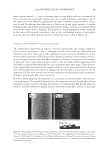
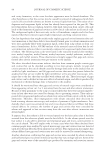
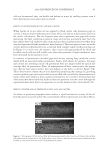
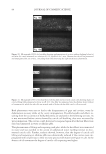
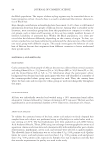
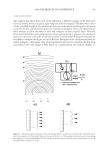
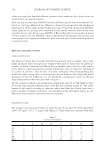
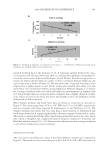
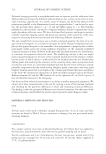
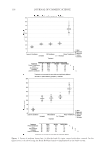
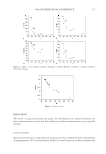
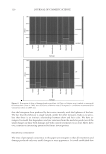
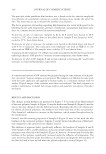
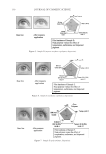
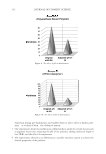
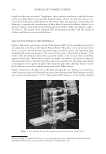
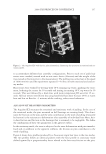
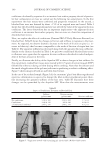
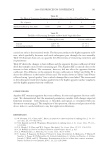
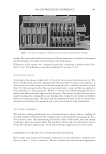
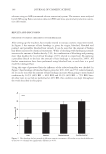
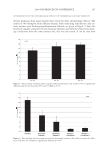
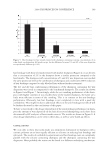
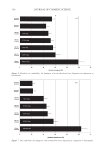
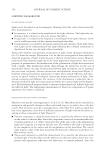
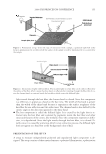
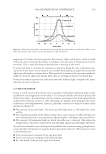
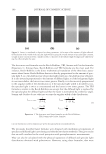
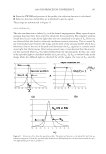
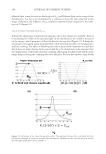
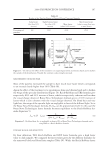
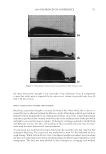
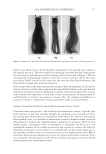
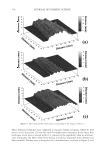
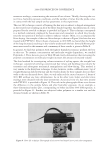
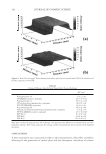
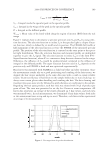
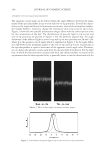
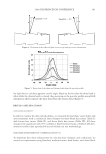
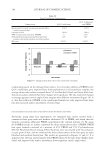
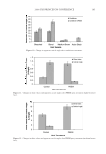
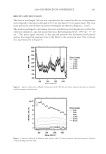
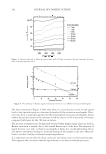
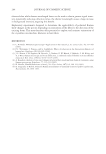
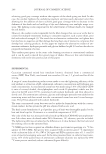
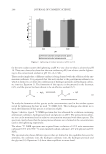
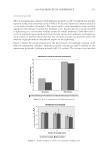
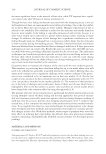
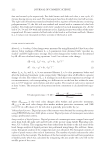
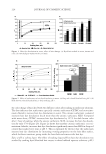
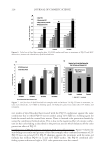
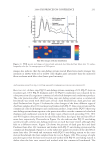
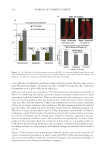
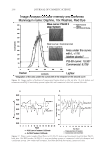
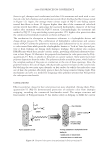
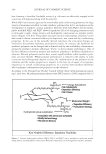
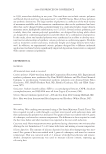
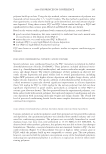
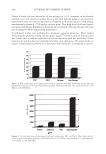
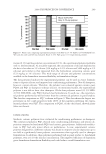
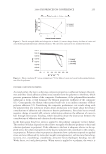
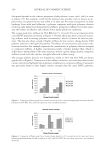
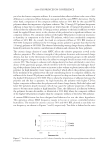
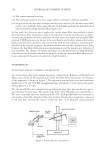
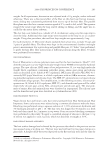
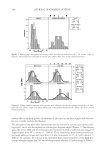
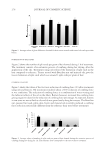
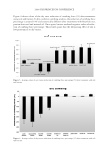
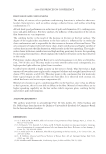
JOURNAL OF COSMETIC SCIENCE 224 the color change of hair dyed with two different colors after soaking in surfactant solutions. The data indicates that surfactants, especially cationic surfactants (CETAC and coco trimo- nium chloride), increase hair dye dissolution in water. The cationic surfactants evaluated increases hair dye dissolution much more than the anionic surfactant, SLES. Compared with water alone, CETAC increases hair dye dissolution by 127% for dark brown color after 1 hour of soaking, while the anionic surfactant, SLES, increases the hair dye dissolu- tion by only 47% (Figure 2b). Figure 2a shows that another cationic surfactant, coco tri- moinium chloride, increases hair dye dissolution signifi cantly more than SLES in deep red colored hair soaked over time at pH 5. This is explained by the fact that the surfactants increase hair dye dissolution by increasing wetting properties on the hair fi ber surface, which facilitates moisture going inside the hair shaft and removes the hair dye. Effect of pH of soaking liquor. The effect of soaking liquor pH on hair dye dissolution was studied by soaking dyed bleached hair tresses in three buffered aqueous solutions. pH 3 Figure 1. Hair dye dissolution in water: effect of hair damage. (a) Dyed hair soaked in water, intense red color. (b) 10× shampoo washes with 12% SLES. Figure 2. Effect of surfactants on hair dye dissolution in water. (a) Deep red colored bleached hair, pH 5. (b) Dark brown colored bleached hair, 1-hour soaking, pH 7.

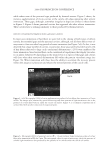
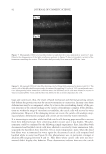
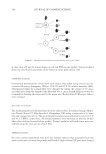
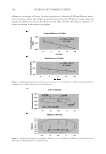
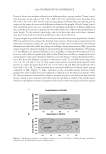
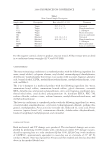
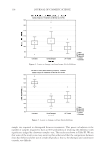
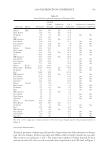
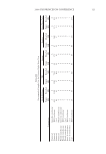
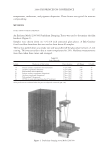
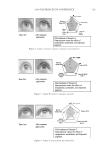
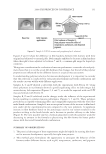
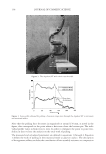
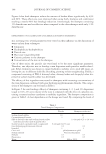
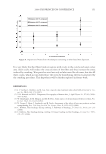
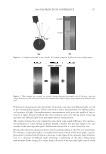
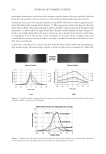
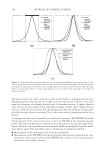
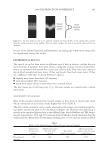
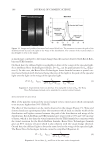
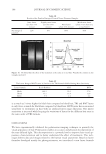
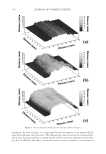
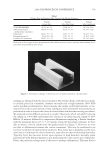
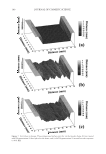
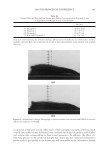
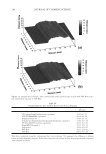
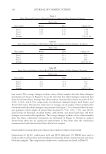
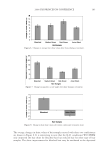
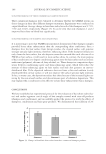
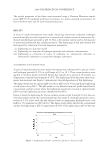
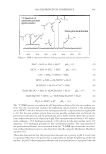
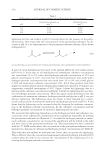
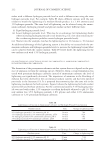
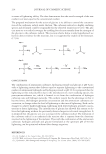
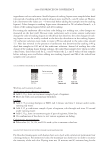
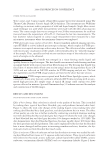
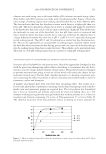
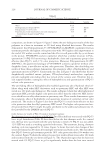
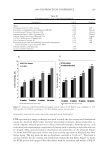
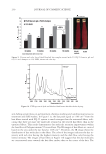
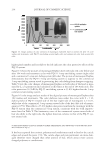
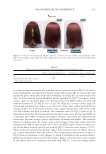
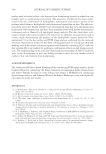
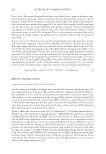
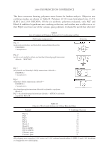
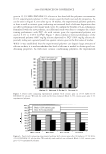
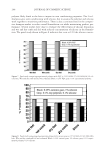
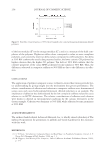
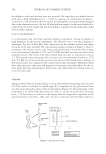
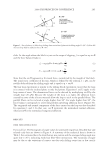
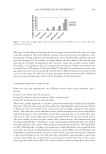
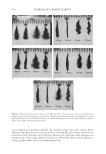
2008 TRI/PRINCETON CONFERENCE 225 solution was made using citric acid/citrate buffer, pH 6 solution was made using a phos- phate buffer, and pH 10 solution was made with a bicarbonate buffer. Figure 3 shows the color change of soaking liquors from soaking dyed bleached hair at three different pHs. The data indicates that hair dye dissolves in water much faster at a higher pH than at a lower pH. The faster dissolution of hair dye in water at a higher pH might be attributed to the known fact that, hair cuticle cells are open or swelled at a high pH. This allows more dye molecules to come out of the hair shaft. At a low pH, hair cuticle is contracted and intact, therefore allows less chance for the dye to come out of the hair. In addition, there is a larger difference between the color loss at pH 3 vs pH 6.5 or 10, especially during the initial soaking period. The pH 6.5 and 10 soaking has a similar hair dye dissolution pro- fi le. This can be explained by an increased pH in soaking liquor caused by alkalis inside the dyed hair which are from the hair dyeing process and can come out of the hair then go into the soaking liquor when hair is soaked in water. These alkalis can be neutralized more effi ciently in a low pH soaking liquor than in a neutral or a high pH soaking liquor. ANTI-FADING EFFECT OF HYDROPHOBICALLY MODIFIED CATIONIC POLYMERS Synergistic effect of hydrophobicity and quaternization. One of the approaches developed in this work for protecting shampooing-induced hair color fading is to minimize hair dye disso- lution in water by using a polymer barrier on hair surface. This polymer barrier is designed to prevent moisture from going in and out of hair which will reduce the chance for dye molecules to leach out of the hair shaft. Another approach is to develop a treatment regi- men containing the effective polymer to deliver consumer perceivable benefi t in leave-in treatments, stylers and shampoos. A number of polymers have been tested for their anti-fading effect. Test results of se- lected vinyl pyrrolidone copolymers containing various functional groups such as hydro- phobic unit and quaternary groups are reported here. The test polymer was formulated into a leave-in treatment gel formula and tested for their anti-fading effect in a 10× shampoo washing test against the same gel formula but without polymer in it. A leave-in treatment gel formula containing 2% active of Polyquaternium 55 is list in Table II. The chemical structures of the four polymers tested, including an anionic polymer for Figure 3. Effect of soaking liquor pH on hair dye dissolution in water, deep red colored hair, pH 5. Dyed bleached dark brown hair.
Purchased for the exclusive use of nofirst nolast (unknown)
From: SCC Media Library & Resource Center (library.scconline.org)