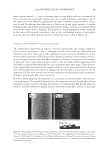
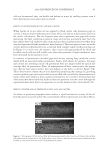
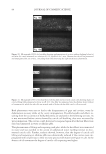
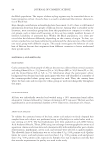
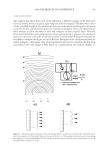
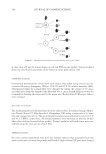
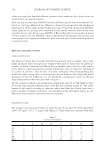
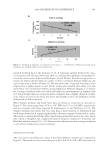
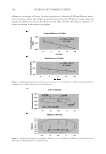
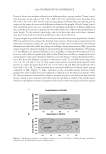
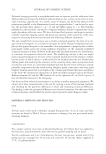
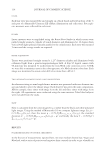
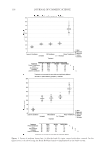
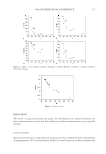
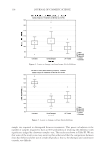
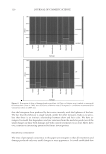
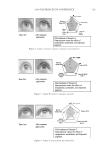
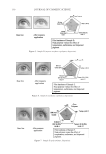
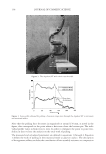
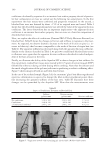
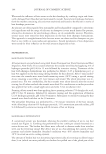
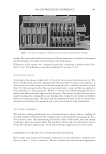
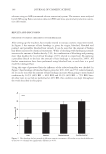
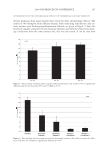
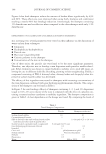
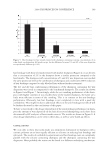
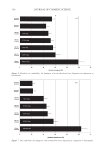
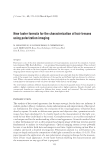
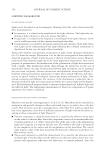
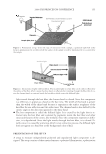
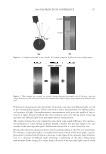
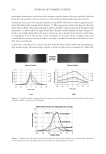
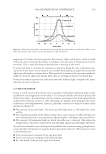
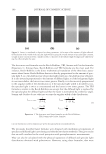
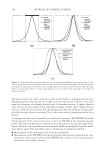
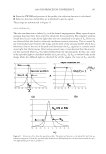
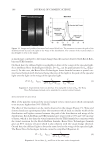
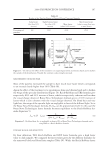
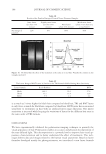
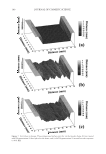
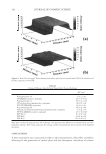
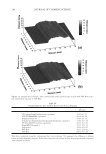
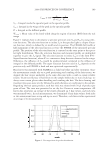
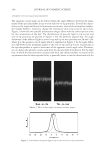
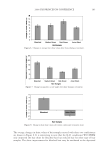
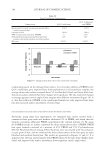
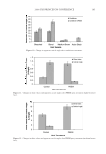
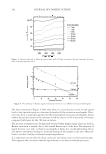
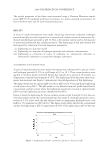
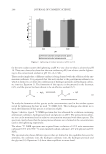
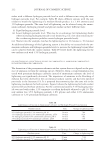
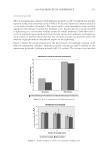
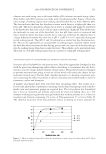
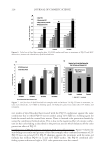
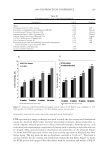
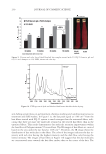
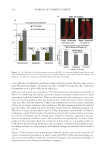
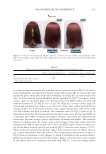
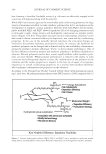
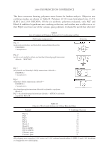
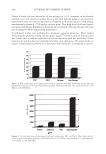
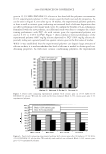
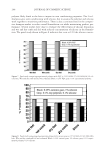
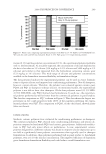
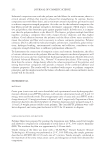
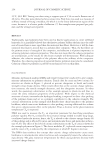
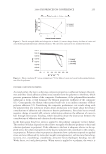
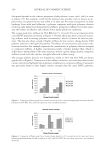
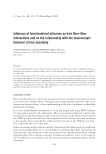
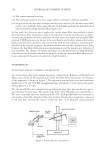
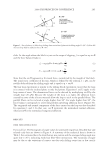
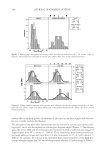
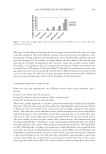
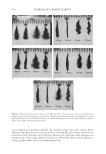
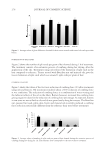
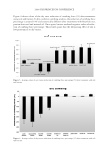
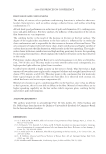
JOURNAL OF COSMETIC SCIENCE 228 test results of dyed bleached hair treated with the PQ-55 conditioner against the same conditioner but to which PQ-55 was not added, using 12% SLES as a washing agent for both the tested and the control hair tresses. There is limited color protection benefi t by using the conditioner formula alone. This is due to the negative effect of cationic surfac- tant on hair color fading as described in the previous section which balances off the color protection effect of PQ-55. Combination of PQ-55 leave-in treatment with rinse-off treatment. Figure 9 shows the anti-fading test results and pictures of dyed hair samples after combined treatment of 2% PQ-55 leave-in gel and 0.5% PQ-55 shampoo against the treatment with the same gel formula but without PQ-55 in it and 12% SLES washes. The PQ-55 combined anti- fading system achieves as high as 50% color protection over the control. Figure 6. Color loss of dyed hair samples after 10× SLES washes and leave-in treatment of PQ-55 and HEC derivatives, intense red colored hair, dyed bleached hair. Figure 7. (a) Color loss of dyed bleached hair samples with and without 2% PQ-55 leave-in treatment, in- tense red colored dye, 12% SLES as washing agent. (b) Subjective panel test results after 10× washes and treatment.

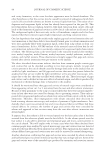
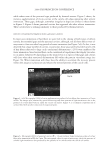
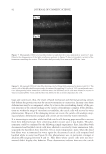
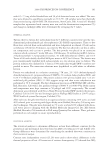
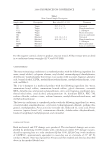
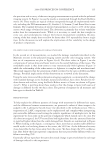
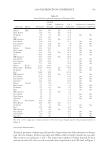
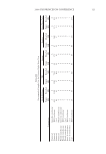
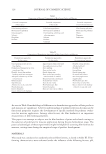
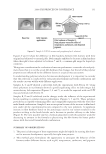
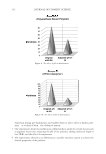
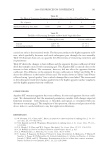
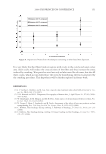
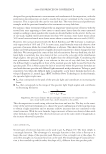
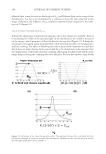
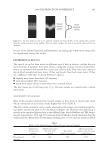
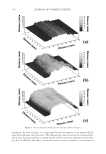
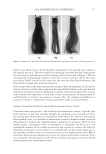
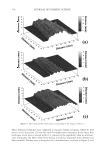
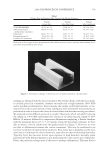
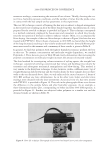
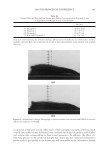
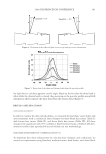
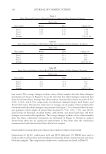
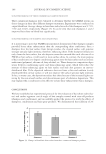
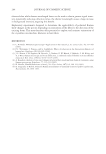
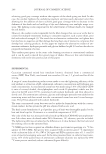
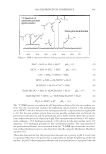
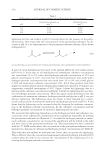
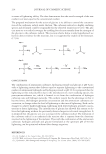
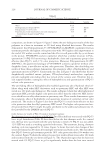
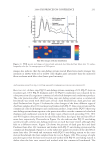
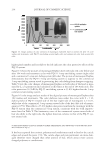
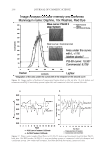
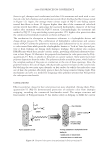
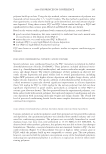
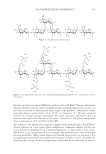
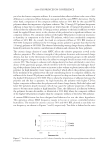
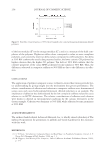
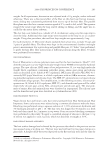
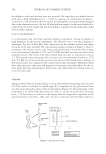
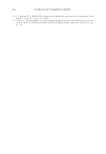
2008 TRI/PRINCETON CONFERENCE 229 FTIR IMAGE ANALYSIS OF DYED HAIR WITH AND WITHOUR TREATMENT FTIR spectroscopic image technique was used to study the dye content and distribution inside the dyed hair fi bers before and after anti-fading treatment. Array of spatially re- solved complete infrared spectra were collected from hair samples. From the spectra, each individual peak representing components of interest such as protein or dye molecules can be imaged. Then, spatial resolution distribution of components can be obtained. Figure 10 shows the FTIR spectrum of hair dye alone and the spectrum of bleached hair fi ber before dying. The dye molecule has an absorbance centered at 1106 cm–1. This band is used to evaluate the dye content and distribution within the hair fi bers. Figure 11 shows the FTIR spectra and images of dyed hair fi bers with the treatment and washes of PQ-55 Table III Polyquaternium-55 2-in-1 Anti-Fading Shampoo Ingredients %w/w Supplier Water 55.73 Polyquaternium-55 (20% active) 2.50 ISP Disodium cocoamphodiacetate (Miranol C2M NP) 15.00 Rhodia Cocamidopropyl betaine (Miratain CB) 3.52 Rhodia Ammonium lauryl sulfate (Standapol A) 6.00 Henkel Sodium lauroyl sarcosinate (Maprosyl 30) 12.0 Stepan C12-C15 Alkyl lactate (Ceraphyl 41) 0.50 ISP Glycol stearate (Cerasynt IP) 0.25 ISP Propylene glycol (and) diazoklidinyl urea (and) iodopropynyl butylcarbamate (Liquid Germall® Plus) 0.30 ISP Sodium chloride (25% solution) 2.00 Citric acid (25% solution) 2.20 Figure 8. Color loss of dyed bleached hair samples treated with (a) 0.5% PQ-55 2-in-1 shampoo vs 12% SLES and (b) 0.4% PQ-55 conditioner, 12% SLES washes, intense red color dye.
Purchased for the exclusive use of nofirst nolast (unknown)
From: SCC Media Library & Resource Center (library.scconline.org)