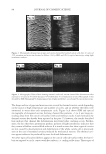
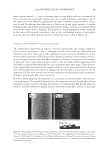
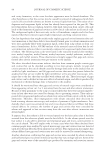
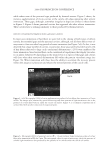
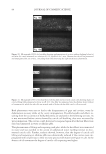
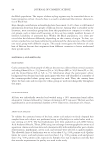
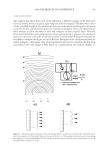
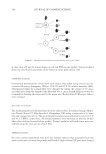
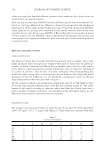
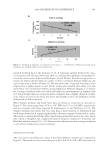
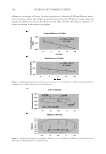
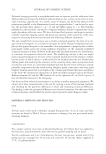
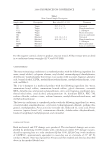
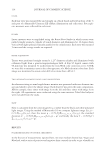
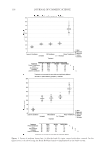
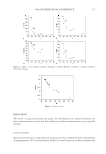
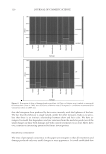
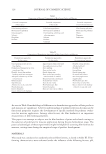
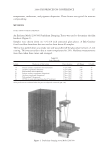
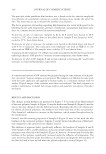
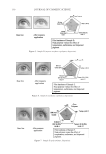
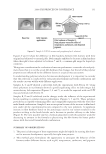
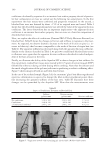
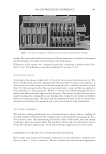
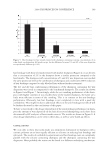
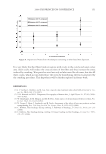
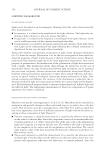
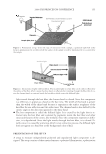
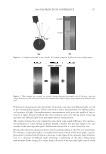
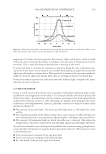
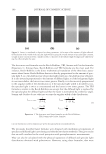
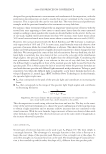
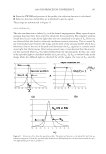
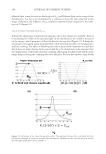
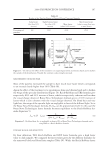
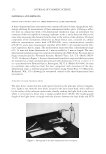
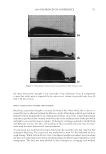
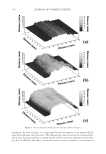
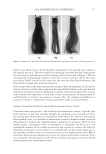
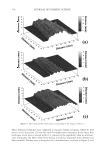
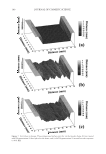
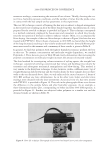
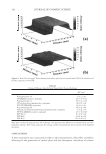
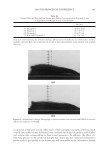
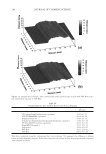
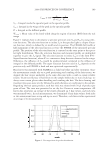
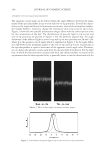
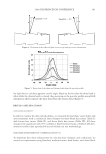
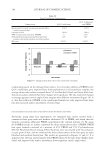
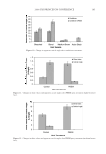
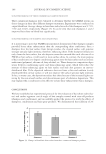
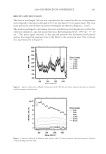
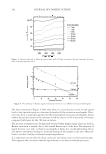
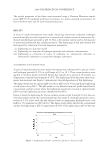
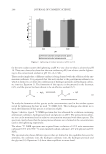
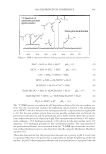
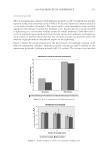
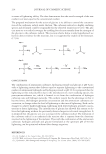
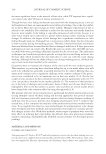
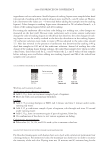
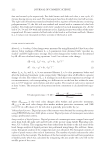
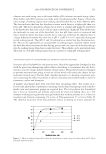
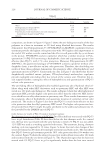
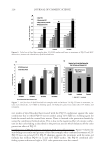
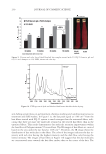
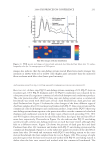
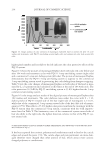
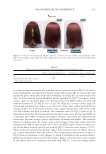
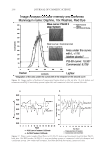
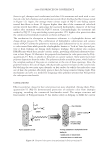
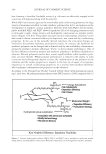
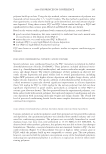
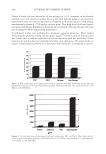
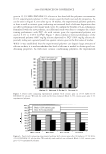
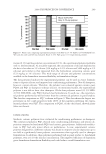
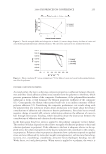
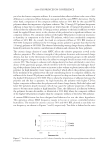
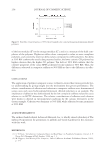
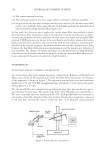
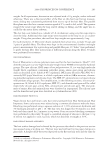
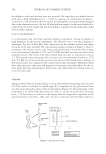
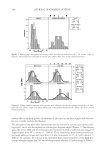
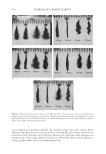
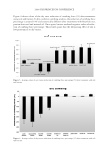
JOURNAL OF COSMETIC SCIENCE 230 anti-fading system (leave-in gel treatment, shampoo washing and conditioning) versus no treatment and SLES washes. In Figure 11a, the dye peak signal at 1106 cm–1 from the hair fi bers treated with PQ-55 system is much stronger than the untreated fi bers, indi- cating that there are more dye molecules retained in the treated hair fi bers than in the untreated fi bers. This result demonstrates dye molecule retention improvement within the hair fi ber of Polyquaternium-55 treated hair. The IR images of hair fi bers are created based on the area under the dye band at 1106 cm–1. Therefore, the IR image shows the distribution of dye molecules in the fi bers. The color of the images indicates the dye in- tensity with red color having the highest intensity and the dark blue color having the lowest intensity. The images of hair fi bers in Figure 11b suggest that the dye molecules are concentrated more towards the hair fi ber surface than to the center of the hair. The Figure 9. Pictures and color loss of dyed bleached hair samples treated with 2% PQ-55 leave-in gel and 0.5% 2-in-1 shampoo vs 12% SLES, intense red color dye. Figure 10. FTIR spectra of dyed and bleached dark brown hair fi ber before dyeing.

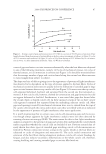
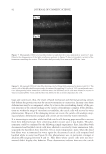
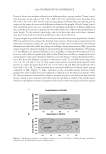
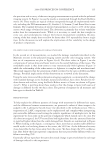
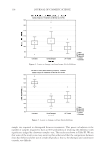
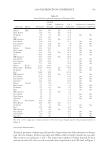
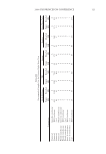
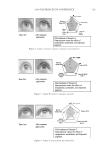
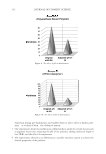
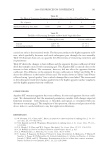
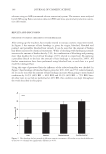
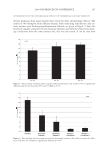
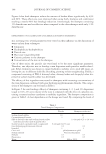
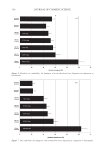
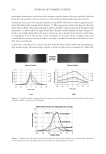
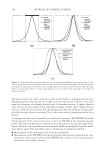
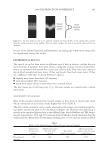
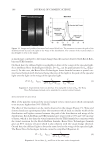
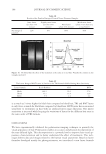
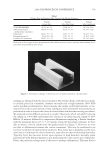
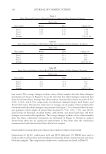
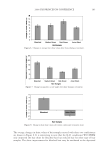
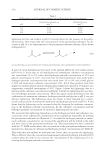
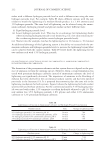
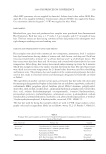
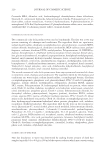
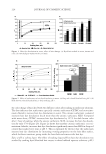
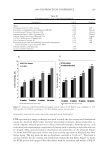
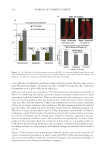
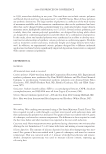
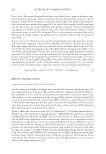
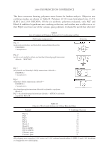
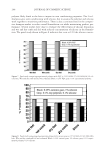
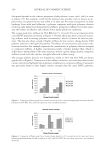
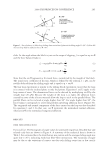
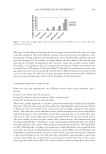
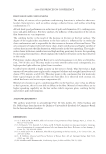
2008 TRI/PRINCETON CONFERENCE 231 images also indicate that the anti-fading system treated fi bers have much stronger dye intensity as shown with red or yellow color (higher pixel intensity) than the untreated fi bers as shown with blue color (lower pixel intensity). ANTI-FADING EFFECT OF PQ-55 SYSTEM AGAINST COMMERCIAL COLOR LOCK PRODUCTS Hair tress tests. A three step PQ-55 anti-fading system consisting of 2% PQ-55 leave in treatment gel, 0.5% PQ-55 shampoo and 0.4% PQ-55 conditioner was evaluated for its color protection effect against a commercial color lock shampoo and conditioner product. The color protection effect of PQ-55 three step anti-fading system versus a commercial benchmark was tested with three types of hair: dyed bleached hair, dyed grey hair and dyed Piedmont hair. Figure 12a shows the color changes of the three different types of dyed hair samples after 10× treatment and washes with PQ-55 three step system and the commercial color lock shampoo and conditioner product, respectively. PQ-55 three step anti-fading system shows superior color protection effect over the commercial color lock shampoo and conditioner system for all three types of hair tested, providing 35%, 38% and 40% higher color protection for dyed bleached hair, dyed grey hair and dyed Pied- mont hair, respectively. The results in Figure 12a also indicate that PQ-55 anti-fading system provides similar anti-fading protection on each hair type tested, although they fade to a different extent. Figure 12b shows the pictures of dyed grey hair and dyed Piedmont hair after 10× treatment and washes with PQ-55 anti-fading system and the commercial benchmark. Figure 12c is the subjective panel test results of the dyed Pied- mont hair after 10× wash and treatment with PQ-55 anti-fading system vs the com- mercial benchmark (the hair samples from the test in Figure 12b). The average of eight panelists agrees that the hair tress treated and washed with PQ-55 anti-fading system is darker than the hair tress treated and washed with the commercial benchmark. The Figure 11. FTIR spectra and images of treated and untreated dyed bleached hair fi bers after 5× washes, burgundy color dye. An average spectra of 500 spectra.
Purchased for the exclusive use of nofirst nolast (unknown)
From: SCC Media Library & Resource Center (library.scconline.org)