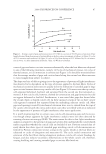
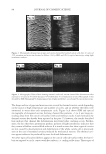
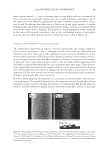
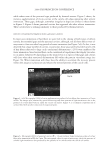
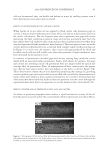
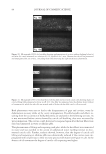
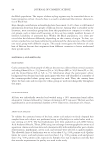
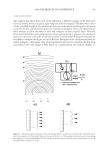
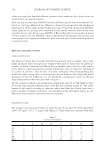
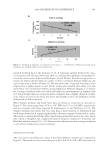
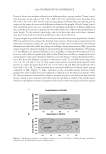
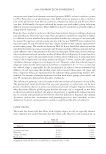
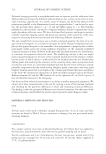
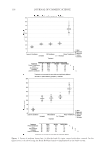
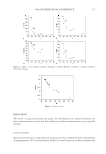
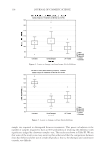
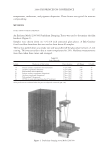
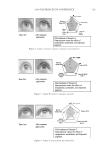
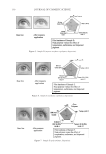
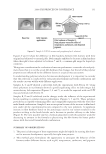
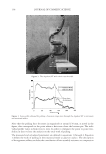
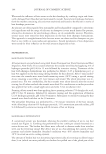
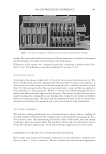
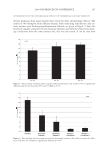
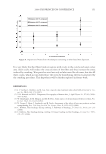
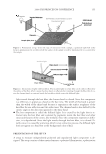
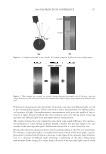
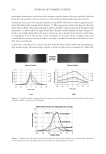
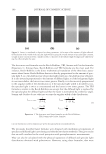
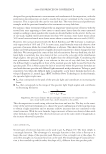
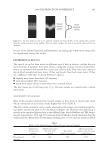
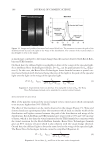
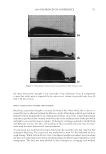
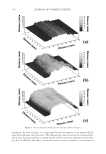
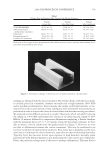
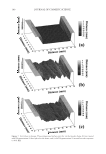
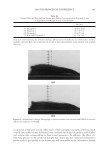
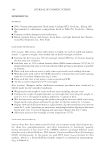
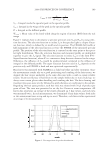
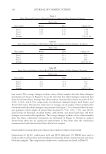
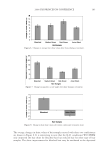
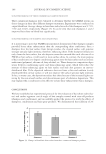
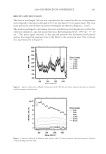
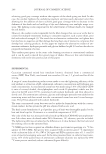
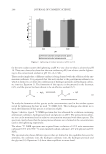
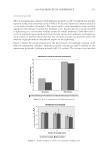
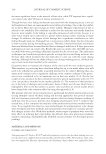
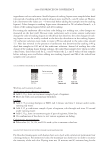
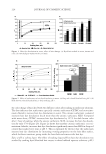
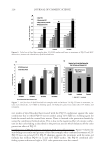
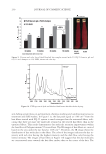
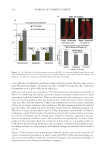
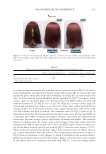
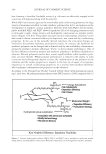
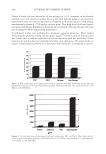
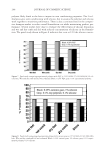
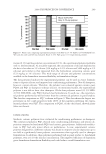
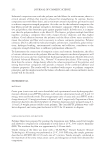
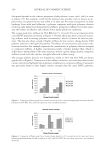
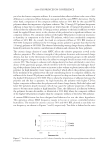
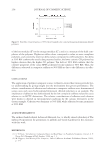
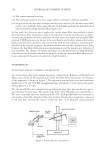
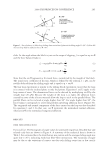
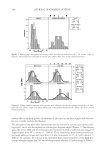
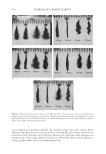
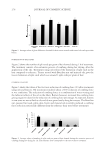
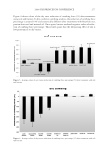
JOURNAL OF COSMETIC SCIENCE 232 color difference is within the range from slight to moderate under the three light sources used. Therefore the higher color protection effect of PQ-55 system over the commercial benchmark tested is perceivable by the naked eye. Salon tests with human hair mannequins. The effectiveness of color protective benefi t of PQ-55 in a three step anti-fading system was further evaluated in salon tests on a dyed mannequin head with human hair. This test was conducted with comparison to two com- mercial color lock products. One was shampoo and conditioner system which claims the color lock effect and the other was a three step commercial color lock system consisting of leave-in treatment, shampoo, and conditioner. The dyed mannequin hair was divided into two halves. The right side of the head was treated with the following regimen: 2% PQ-55 leave-in gel, dried washed with 0.5% PQ-55 shampoo treated with 0.4% PQ-55 conditioner, rinsed. The left side of the head was treated with commercial leave-in prod- uct (if part of regimen), dried washed with commercial shampoo, application of com- mercial conditioner, and then rinsed. The procedure was repeated by 10 times. Color analysis of the mannequin head was conducted in three ways: L, a, b reading of hair on both sides of the head using the Hunter Lab colorimeter visualization of digital pictures and image analysis for color intensity and darkness changes as described in the method section. Figure 13 shows the pictures of mannequin Gabrielle dyed in intense red color after 10 cycles of washed and treatments. It shows clearly that PQ-55 three step anti-fading sys- tem is much more effective than the commercial shampoo and conditioner treatment in preventing hair color fading from shampoo stripping. Figure 12. (a) Color loss of dyed hair samples treated with PQ-55 3-step anti-fading system versus com- mercial benchmark. (b) Pictures of dyed grey hair and dyed Piedmont hair samples after 10× washes and treatment. (c) Subjective panel tests of dyed Piedmont hair after 10× washes.

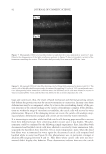
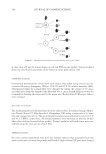
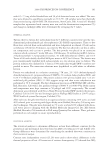
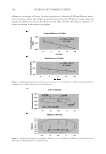
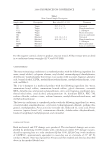
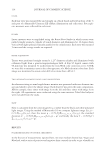
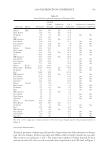
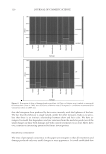
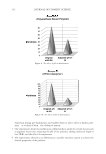
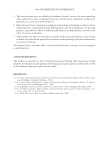
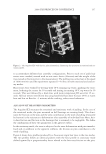
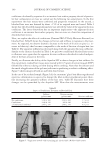
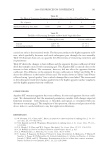
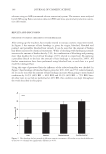
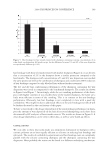
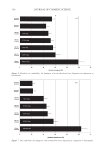
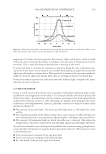
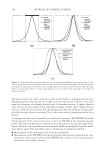
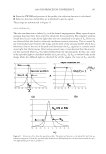
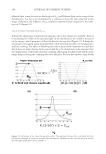
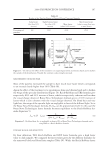
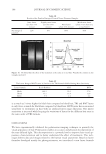
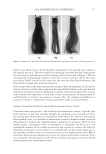
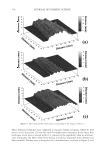
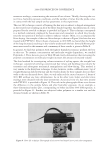
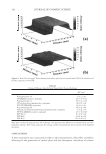
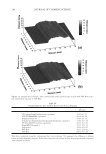
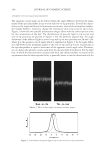
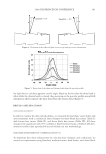
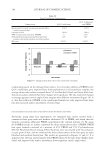
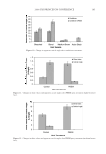
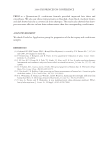
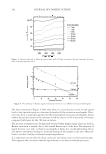
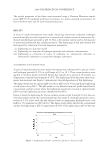
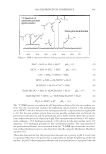
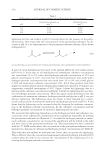
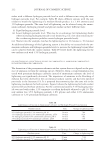
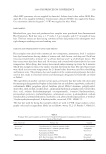
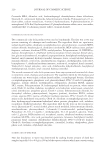
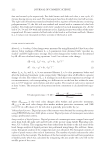
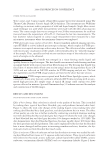
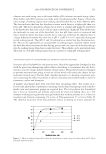
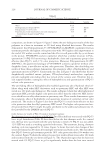
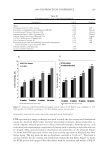
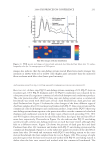
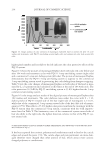
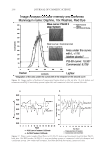
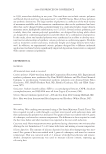
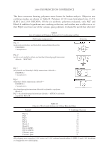
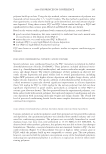
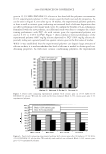
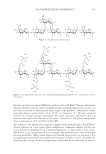
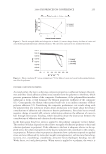
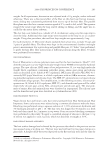
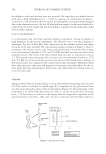
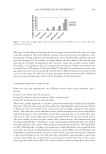
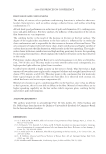
2008 TRI/PRINCETON CONFERENCE 233 Table IV lists the color changes of mannequin Gabrielle on both sides of the head as mea- sured by L, a, b parameters and calculated as dE & dC values at the end of 3×, 5× and 10× wash cycles. The color protection % (dE%) by PQ-55 anti-fading system is 33.6% higher than the commercial system tested. In addition, dC% by PQ-55 anti-fading system is 56.7% higher than the commercial system. Therefore, PQ-55 anti-fading system pro- vides not only a higher percent color protection but also a signifi cantly reduced level of “off shade” fading. The salon test results are consistent with the results from the same test but using hair tresses for bleached hair (Figure 12). Figure 14 shows image analysis results of the digital pictures of mannequin Gabrielle after 10× washes and treatments. It indicates that color pixel numbers (color intensity) of PQ-55 treated side of the hair (the right side of mannequin) is 35% higher than the com- mercial product treated side of the hair (the left side of mannequin), consistent with the %dE values in Table IV. The luminosity curve of the commercial system treated side of the hair also shifts to the right direction in the luminosity scale which is the lighter color direction, relative to the curve of the PQ-55 system treated side of the hair. Both the Table IV Color Loss of Mannequin Gabrielle Measured by dE and dC, Intense Red dE 3× wash 5× wash 10× wash Right side—PQ-55 system 4.78 7.31 7.43 Left side—commercial system 6.63 9.9 11.18 % dE improvement by PQ-55 system over commercial. 27.9 26.1 33.56 dC 3× wash 5× wash 10× wash Right side—PQ-55 system 0.87 1.44 1.97 Left side—commercial system 1.53 3.23 4.55 % dC improvement by PQ-55 system over commercial. 43 55.4 56.7 Figure 13. Pictures of mannequin Gabrielle dyed in intense red after 10 cycle washes and treatments with PQ-55 anti-fading system (right side) and commercial color lock system (left side). Dyed pre-bleached Asian hair.
Purchased for the exclusive use of nofirst nolast (unknown)
From: SCC Media Library & Resource Center (library.scconline.org)