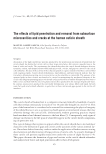
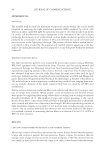
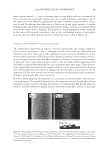
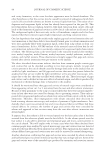
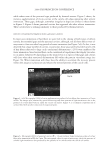
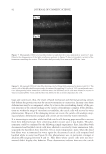
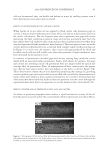
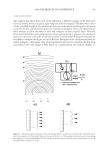
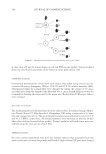
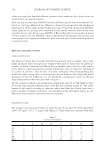
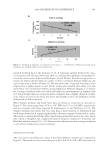
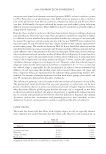
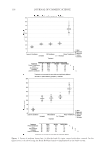
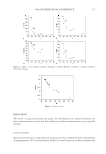
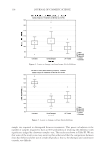
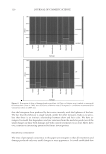
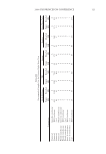
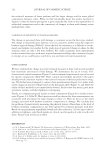
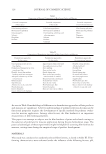
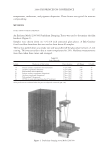
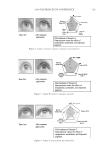
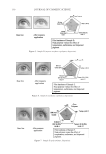
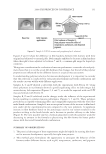
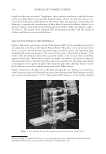
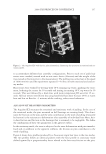
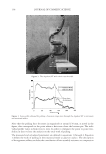
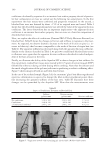
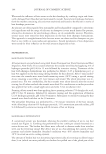
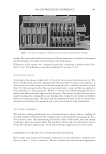
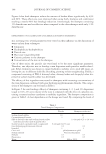
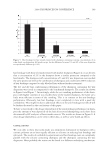
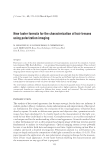
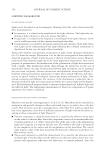
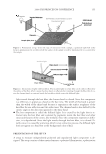
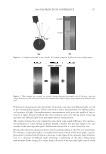
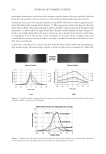
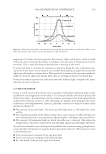
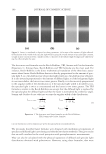
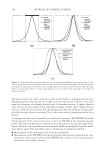
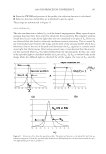
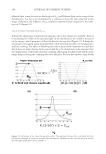
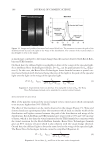
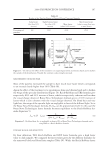
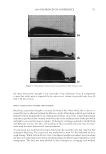
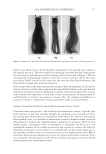
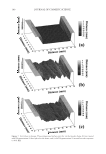
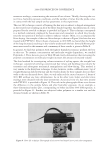
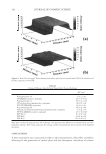
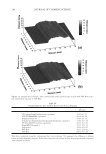
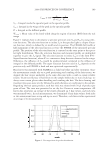
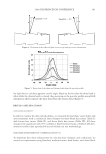
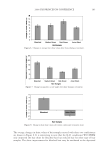
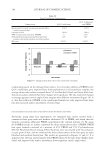
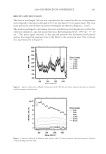
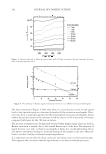
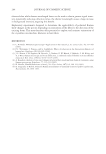
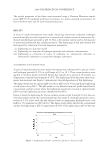
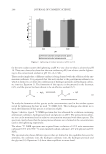
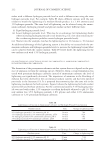
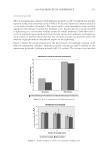
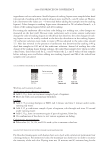
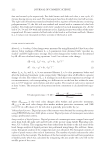
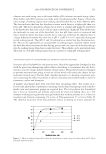
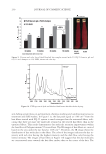
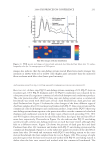
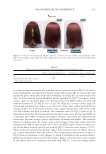
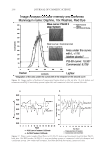
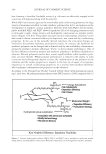
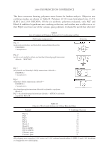
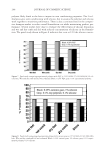
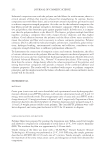
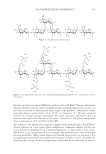
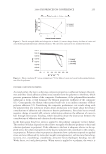
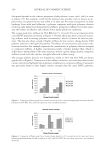
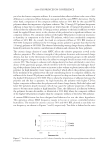
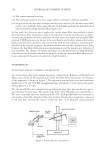
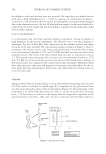
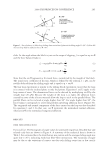
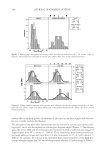
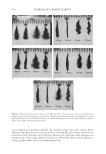
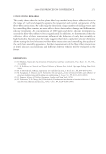
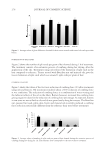
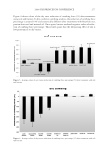
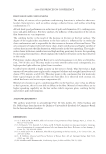
2008 TRI/PRINCETON CONFERENCE 99 HAIR CLASSIFICATION Two random hair fi bers from each of the following 5 different regions of the head were selected: frontal, vertex, occipital, right temporal and left temporal. The fi bers were cut to a fully extended length of six centimeters and were individually submerged in deionized water (23°C) that contained two drops of a commercial shampoo. They were immersed for three minutes to allow the fi bers to relax and confi gure to their original shape. After the fi bers were blotted dry and equilibrated in air for approximately 5 minutes, the number of waves (w), twists (t), curl index (i) and the smallest curve diameter (CD) were measured for each fi ber to evaluate the degree of curl in the hair. Examples of the curl measurements are shown in Figure 1. The mean value of each parameter was used to categorize the hair from each subject into curl groups I–VIII based on a segmentation tree analysis (Figure 2). Figure 1. Schematic representations of the curl measurements. (a) CD meter used in the determination of the curve diameter. (b) Curl index, which is the ratio of 6 cm/l1. (c) The number of natural constrictions along the length of a 5-cm extended fi ber. (d) The number of waves present when the end-to-end distance of a 5-cm extended fi ber is reduced to 4 cm.

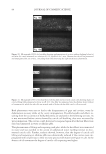
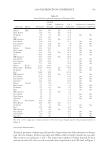
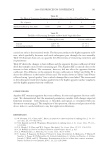
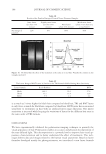
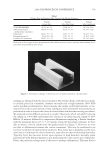
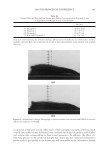
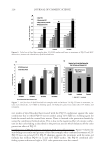
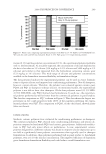
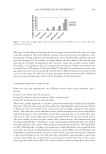
JOURNAL OF COSMETIC SCIENCE 100 A class value of I was the lowest degree in curl and VIII was the highest. Statistical detail about the classifi cation procedure can be found in earlier publications (5,6). GEOMETRIC ANALYSIS Geometrical measurements of hair from each subject were taken using a laser scan mi- crometer (Mitutoyo, Kanagawa, JPN) at 22 ± 2°C and 45 ± 5% relative humidity (RH). Dimensional values for a single fi ber were obtained by taking the average of 10 cross- sectional areas along the length of the fi ber that was 3 cm in length. Ellipticity was de- termined by dividing the major axis by the minor axis. Results from 50 fi bers per subject were averaged. MECHANICAL ANALYSIS The tensile properties of dry hair from all of the subjects were determined using a Minia- ture Tensile Tester 675 (Dia-Stron Ltd., Hampshire, UK) using a strain rate of 12 mm/ min and a gauge force of 1 g. The environmental temperature and humidity was 22 ± 2°C and 45 ± 5 RH%, respectively. All tensile properties were measured on the fi rst 50 hair fi bers that exhibited normal failure profi les. Young’s modulus and break stress were nor- malized using the cross section of each fi ber. THERMAL ANALYSIS For each country represented, hair from fi ve random subjects that originated from the same country was cut into a fi ne powder and blended. High-volume DSC pans were charged Figure 2. Segmentation tree that partitions the hair into 8 curl classes.
Purchased for the exclusive use of nofirst nolast (unknown)
From: SCC Media Library & Resource Center (library.scconline.org)