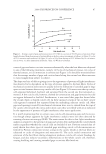
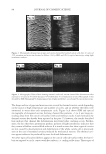
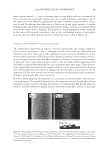
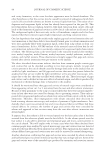
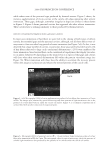
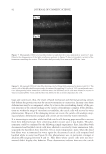
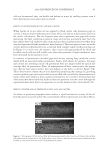
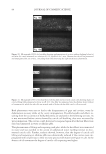
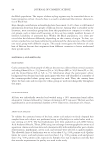
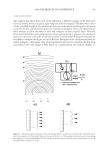
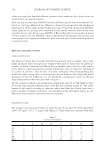
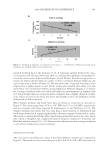
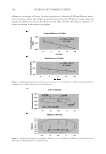
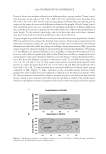
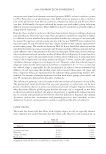
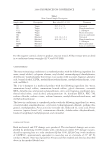
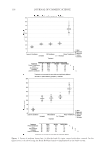
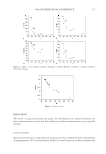
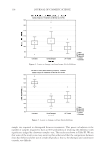
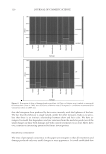
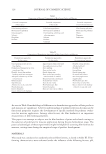
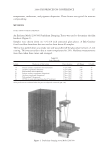
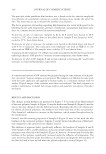
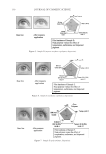
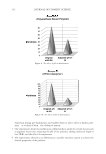
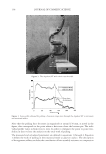
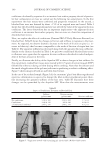
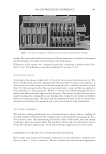
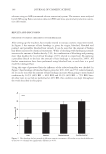
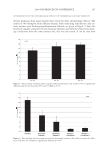
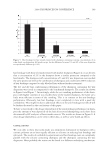
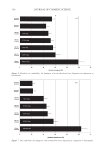
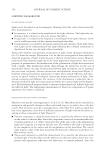
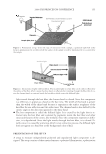
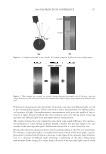
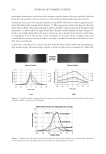
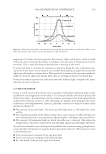
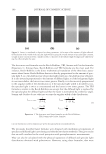
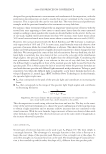
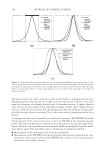
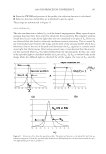
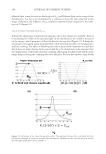
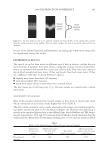
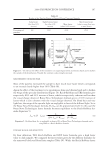
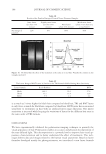
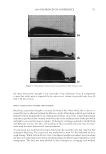
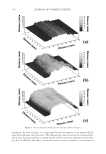
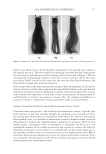
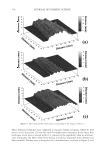
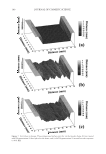
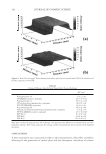
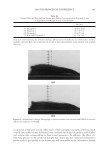
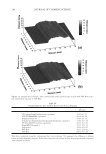
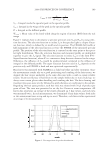
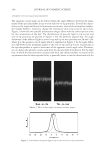
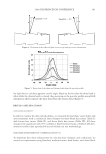
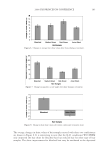
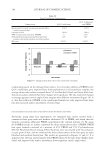
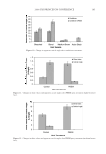
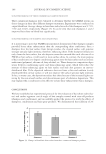
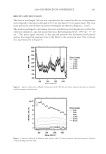
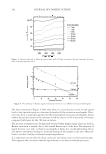
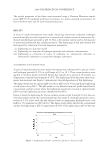
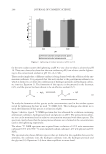
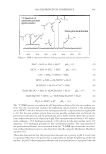
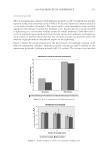
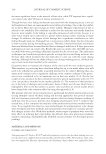
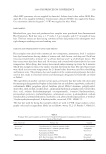
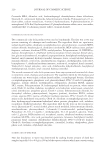
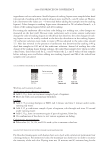
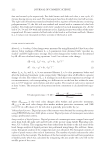
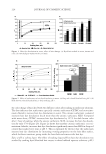
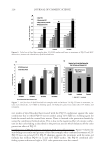
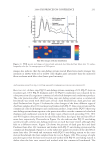
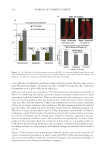
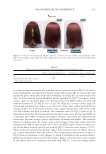
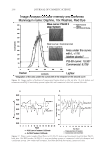
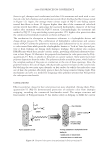
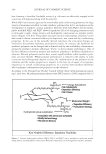
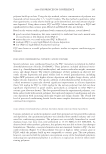
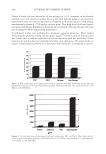
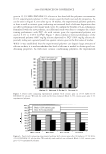
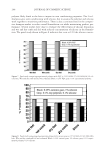
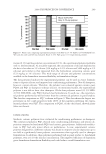
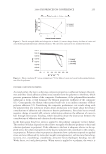
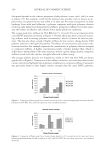
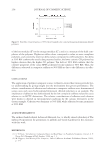
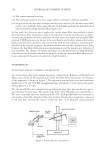
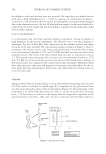
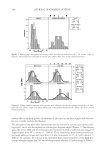
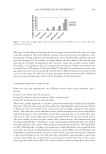
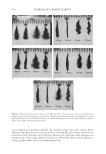
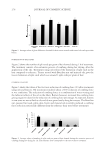
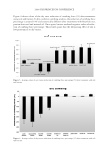
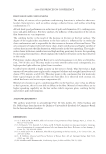
JOURNAL OF COSMETIC SCIENCE 236 Figure 17. Water contact angles of hair fi bers. (a) 2% PG-55 leave-in gel treatments vs gel without PQ-55, both after 10× SLES washes. (b) PQ-55 3 step anti-fading system vs commercial color lock shampoo and conditioner system. 10× washes and treatment, dyed bleached dark brown hair, intense red color. Figure 16. Image analysis of darkness of mannequin Daphne dyed in ruby red after 10 cycle washes and treatments with PQ-55 anti-fading system (right side) and commercial color lock system (left side).

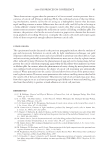
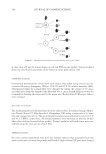
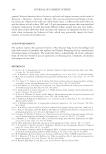
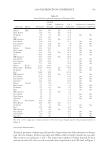
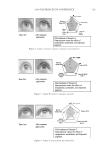
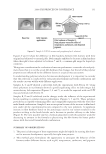
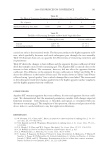
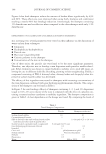
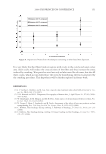
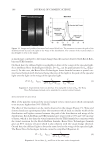
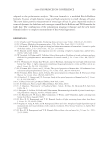
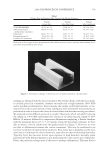
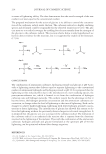
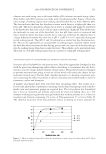
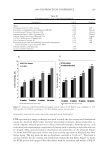
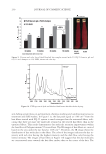
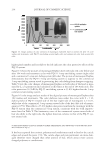
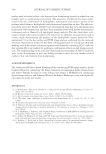
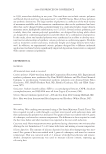
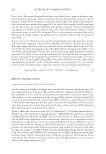
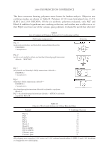
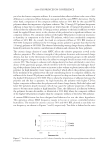
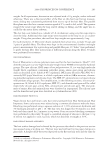
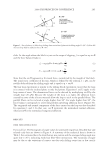
2008 TRI/PRINCETON CONFERENCE 237 (leave-in gel, shampoo and conditioner) and after 10× treatment and wash with a com- mercial color lock shampoo and conditioner system (from the bleached hair tresses tested in Figure 12). Again, the average water contact angle of PQ-55 anti-fading system treated hair fi bers is about 12 degrees higher than that of the commercial color-lock system treated hair fi bers, indicating the increased hydrophobic character of the hair surface after treatment with the PQ-55 system. Correspondingly, the treatment and washes by PQ-55 3 step anti-fading system provides 35% higher color protection than the commercial benchmark treatment as shown in Figure 12. The mechanism for absorption to keratinous substrates is a hydrophobic-driven and charge-driven process (9). The combination of hydrophobic substitution and cationic nature of PQ-55 allows the polymer to maintain good substantivity via its cationic units to color treated hair while provides a hydrophobic barrier to “lock-in” hair dye and pre- vent it from washing out during daily shampoo washing. The polymer also contains DMAPA unit which has a pseudo-cationic nature, providing additional substantive func- tion to hair. Figure 18 illustrates the proposed mechanism for color protection by Poly- quaternium-55. First, it adsorbs to the pores on cuticle surfaces. Some pores have more polymer deposition than the other. The polymer adsorbs around the pores, which leads to the complete sealing of the pores or a reduction in the size of these openings. Also, the polymer binds to the cuticle edges, which provides a protective layer on the cuticle ends. By blocking the two main open channels on hair surface by which dye molecules come out of hair, the polymer effectively protects hair dye being removed during wash. This mechanism can serve as a model for designing other polymer systems that will provide the color protection benefi t. CONCLUSIONS Effective polymer classes for hair color protection were identifi ed. Among them, Poly- quaternium-55 (PQ-55) demonstrated protection of oxidative color from shampoo stripping, exceeding the commercial benchmarks tested. The unique structure and functionality of Polyquaternium-55 has shown utility in helping to fulfi ll the current Figure 18. Proposed color protection mechanism for Polyquaternium-55.
Purchased for the exclusive use of nofirst nolast (unknown)
From: SCC Media Library & Resource Center (library.scconline.org)