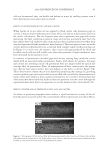
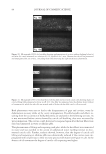
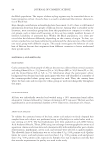
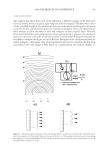
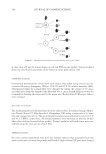
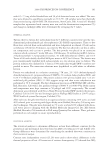
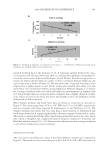
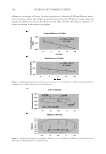
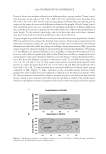
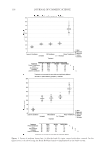
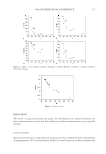
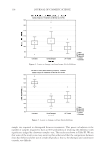
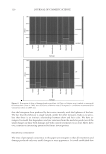
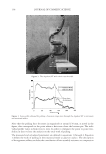
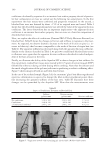
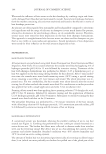
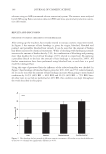
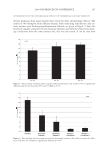
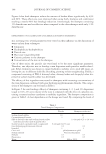
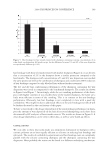
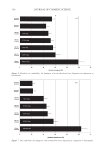
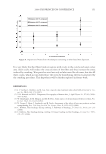
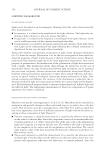
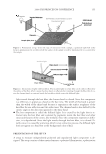
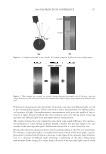
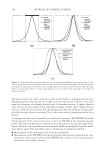
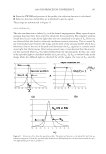
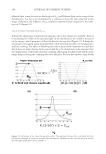
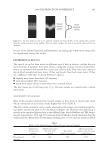
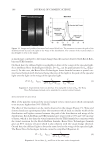
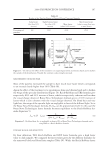
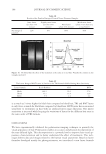
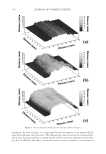
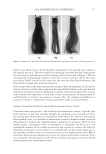
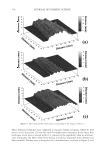
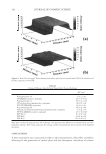
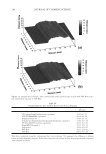
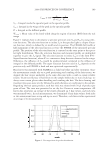
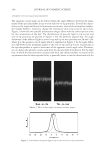
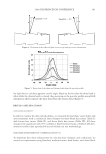
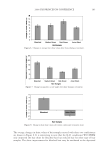
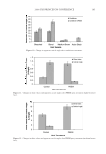
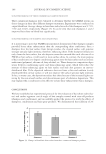
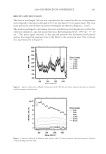
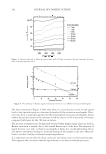
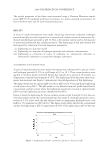
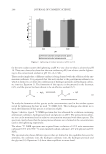
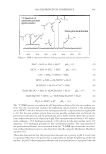
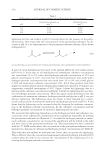
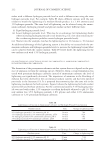
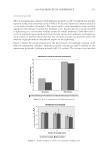
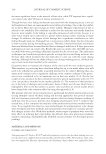
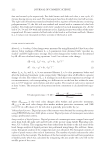
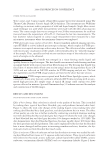
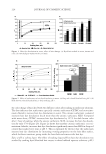
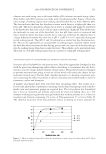
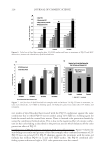
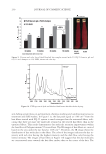
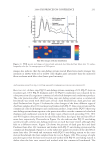
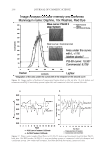
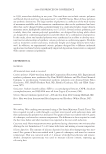
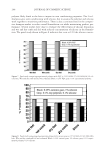
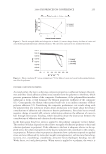
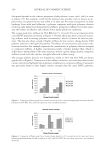
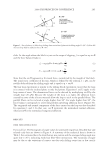
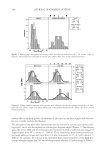
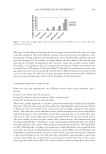
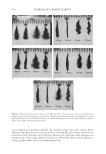
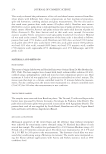
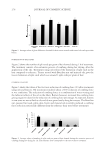
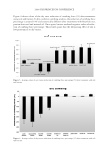
JOURNAL OF COSMETIC SCIENCE 242 Panel studies. Five grams European brown hair was washed with 1 gram of shampoo (sam- ple A) with the test product while fi ve grams of hair was washed with 1 gram of a control shampoo (sample B). For each panel study, two tresses of hair were washed with sample A and two tresses were washed with sample B. One tress of each sample (A and B) was hung side by side in two sets of two. Panelists were asked to compare each set separately for feel and ease of comb wet in a forced choice test. Five panelists were asked to do the evaluation, giving a total of 10 evaluations. The test was repeated on separate hair tresses prepared as described and then dried. Panelists were asked to compare each set for dry feel and comb. Polymer substantivity. Each tress was wetted and washed with 1 g of shampoo for 1 minute and rinsed with tap water. The tress was rewashed as needed for the dye build up test. After the completion of the washes, the tress was placed in a beaker with 50 mL of 0.05% red dye 80 (Jos. H. Lowenstein Sons, Inc., Brooklyn, NY) in deionized water (pH 3.0) for one minute (gently shaken). The tress was removed and rinsed under tap water to remove unattached dye. Excess water was squeezed from the tress and the hair was placed in a beaker containing 50 ml isopropanol/water (50/50 by volume) solution (pH=12.5) for 5 minutes with occasional gentle shaking. Hair was removed from the solution, rinsed, dried, and weighed. Absorbance of the extraction solution was measured at 533 nm and the amount of dye calculated using a calibration curve for dye concentration and equation 1: μg dye/g hair = (abs + 0.0013) * (5 × 104) / (wt of hair, g) (1) RESULTS AND DISCUSSION EVALUATION OF COMMERCIAL SYNTHETIC POLYMERS Several commercial synthetic polymers were evaluated for coacervate formation, objective wet comb and silicone deposition. The study included 11 commercial polymers (Table I). Not all polymers were tested for each performance characteristic. Coacervate studies were performed as a screen to determine if the polymer phase separates from the formulation on dilution and was performed on all samples. Wet combing is a good measure of overall conditioning on damaged hair and was used to screen six of the polymers. Only two poly- mers were screened for silicone deposition. In all cases, cationic guar and PQ10 polymers were used as positive controls for these studies. Figure 2 shows the coacervate curves of 0.5% polymer in 15.5% sodium laureth sulfate-2 (SLES-2) & 2.6% disodium cocoamphodiacetate (DSCADA). Several of the polymers, including Blend A, Blend B, and PQ47 did not form coacervates. Others, such as PQ11, had variable results depending on the manufacturer. Some were not compatible with the formulation, in which case coacervates could not be detected. These differences may be related to the molecular weight, residual monomer levels or cationic substitution of the polymer. For the samples that did form coacervates, they tended to form early in the dilu- tion process, similar to one PQ10 (high molecular weight/high charge density, Amerchol Corp.) and cationic guar (Rhodia). In contrast, the second PQ10 (high molecular weight/ medium charge density, Amerchol Corp.), formed coacervate at later dilution. It has been shown that this later coacervate, which forms at higher dilution, tends to lead to softer conditioning properties (1,4).

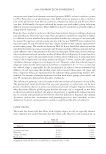
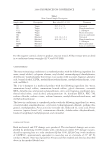
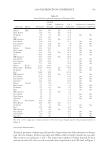
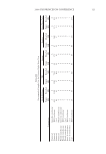
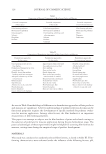
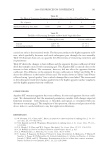
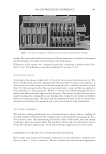
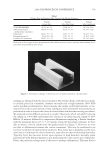
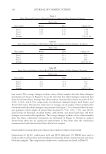
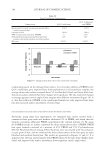
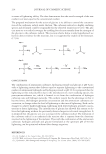
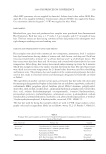
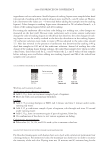
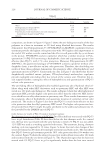
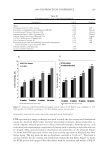
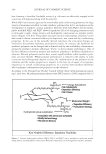
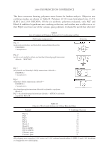
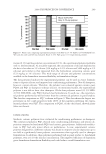
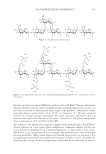
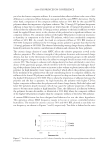
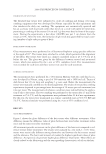
2008 TRI/PRINCETON CONFERENCE 243 The best coacervate forming polymers were chosen for further analysis. Objective wet combing studies are shown in Table II. Polymers (0.5%) were formulated into 15.5% SLES-2 and 2.6% DSCADA. Of the six synthetic polymers evaluated, only PQ7 and Blend A exhibited signifi cant wet combing reduction, and neither was as effective as ei- ther PQ10 or at least one of the cationic guar polymers. It should be noted that objective Table II Objective Wet-Comb Analysis on 8-Hour Bleached Hair. Polymer % Combing reduction PQ11a 8 PQ6 0 PQ47 0 PQ7a 29 PQ7b 16 Blend A 38 Blend B 19 PQ10 (LMW) 70 PQ10 (HMW) 63 Cartionic guar 54 Cartionic guar 31 All polymers were tested at 0.5% active in 15.5% sodium laureth sulfate-2 (SLES-2) and 2.6% disodium cocoamphodiacetate (DSCADA). Table I List of Commercial Polymers Evaluated for Conditioning on Hair. INCI name (composition) Structure PQ-11 (polyvinyl pyrrolidone and dimethyl aminoethylmethacrylate— DMAEMA) 2 manufacturers PQ-47 (acrylic acid, methyl acrylate and methacrylamidopropyltrimonium chloride—MAPTAC) PQ-7 (acrylamide and dimethyl diallyl ammonium chloride— DADMAC) 3 manufacturers PQ-6 (dimethyl diallyl ammonium chloride— DADMAC) 2 manufacturers Acrylamidopropylatrimonium chloride/acrylamide copolymer Blend A PQ7 + Acrylamidopropyltrimonium chloride – APTAC/acrylamide copolymer Blend B
Purchased for the exclusive use of nofirst nolast (unknown)
From: SCC Media Library & Resource Center (library.scconline.org)