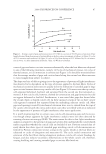
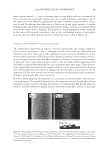
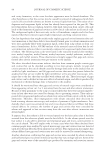
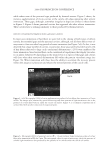
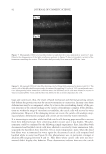
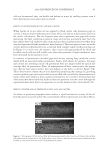
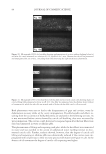
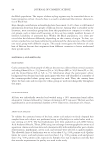
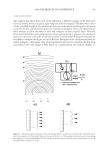
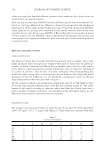
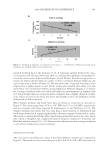
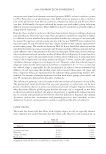
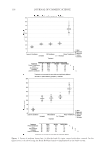
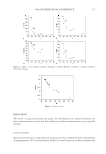
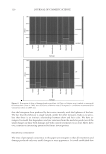
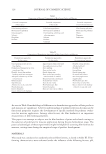
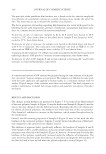
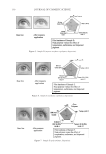
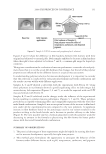
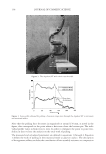
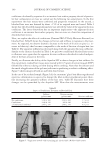
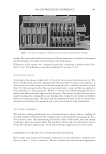
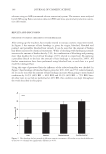
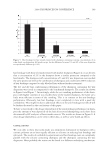
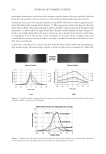
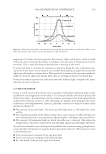
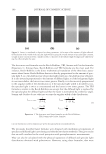
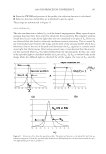
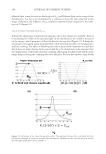
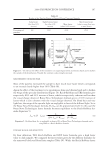
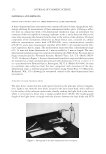
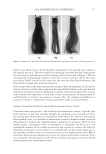
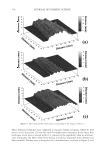
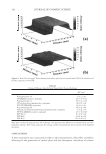
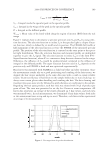
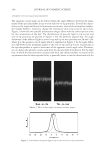
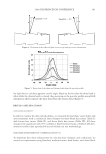
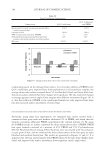
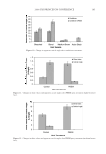
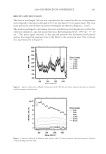
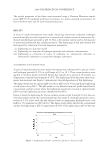
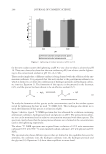
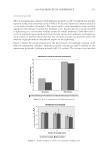
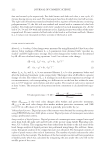
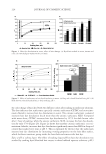
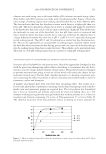
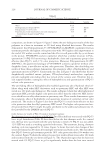
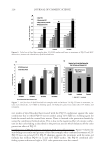
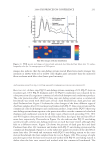
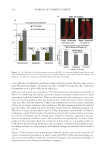
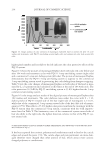
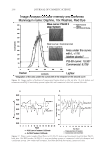
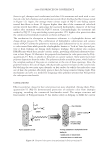
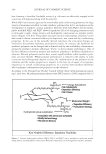
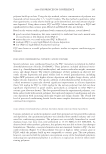
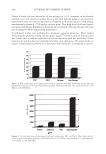
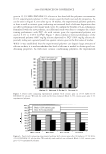
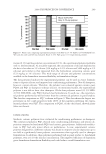
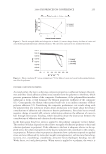
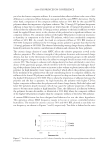
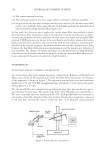
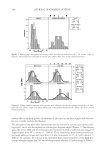
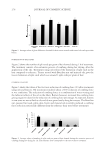
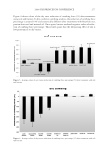
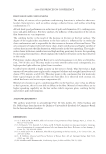
JOURNAL OF COSMETIC SCIENCE 244 wet combing is typically performed on damaged (bleached) hair and is therefore a measure of strong conditioning. Silicone deposition studies were performed on the best perform- ing polymers (PQ7 and Blend A). Both polymers showed silicone deposition after two washes when formulated in 15.5% SLES-2 & 2.6% DSCADA. Blend A deposited a sig- nifi cant amount of silicone (~3200 mg/kg) while PQ7 deposited silicone at a level similar to that of cationic guar (~500 mg/kg). Previous studies had shown signifi cant differences in deposition of silicone based on polymer type and silicone particle size (12). For exam- ple, cationic guar tends to deposit high amounts of small particle size silicone (~200 nm) while PQ10 is more effi cient at depositing large particle size silicone (~30 μ). Effi ciency of deposition of varying particle size silicone may similarly be affected by synthetic poly- mer type, but was not investigated in this study. A fi nal study was performed to measure Figure 2. Coacervate curves of various cationic polymers. All polymers were tested at 0.5% active in 15.5% sodium Laureth Sulfate-2 (SLES-2) and 2.6% disodium cocoamphodiacetate (DSCADA).

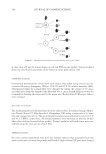
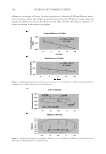
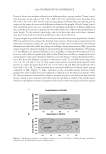
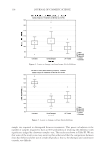
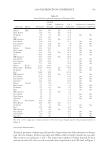
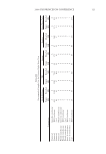
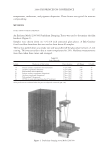
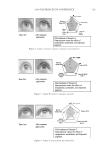
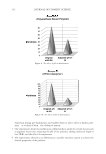
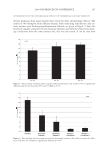
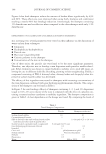
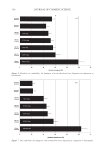
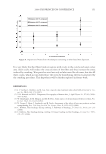
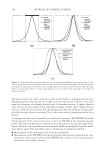
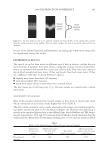
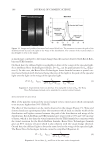
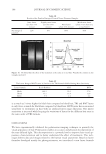
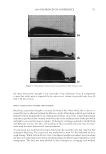
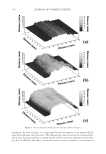
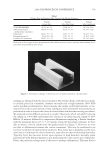
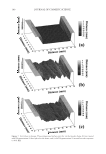
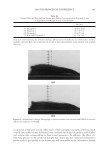
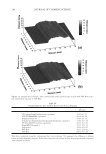
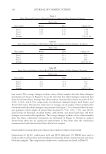
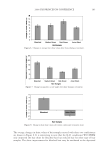
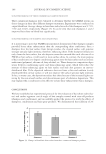
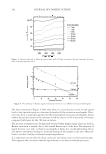
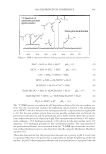
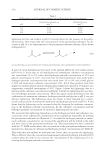
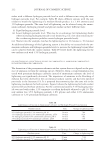
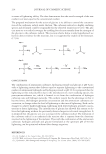
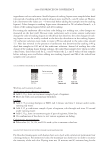
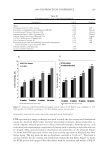
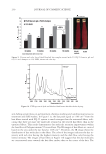
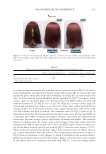
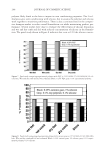
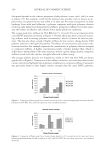
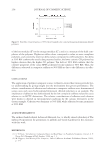
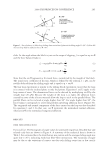
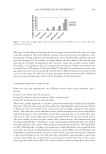
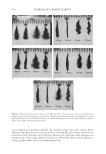
2008 TRI/PRINCETON CONFERENCE 245 polymer build up on hair. Using the dye method, relative concentration of polymer was measured on hair tresses after 1, 3, 5 and 10 washes. The dye method is qualitative rather than quantitative, so only relative build up can be determined, not total amount of poly- mer deposited. Using these criteria, PQ7 and PQ11 show similar build up as PQ10 and signifi cantly less than cationic guar, Blend A and Blend B (data not shown). Based on the various studies performed with commercial polymers, several showed: O good coacervate formation, but some sensitivity to surfactant base and a narrow zone of coacervation at low dilution levels (PQ11) O minor objective wet comb reduction (PQ7 & Blend A) O medium (PQ7) to very high (Blend A) silicone deposition O low (PQ7) to high (Blend A) polymer build up PQ7 was chosen as a model polymer for synthetic studies to improve conditioning per- formance. EVALUATION OF EXPERIMENTAL, SYNTHETIC CATIONIC POLYMERS Several polymers were synthesized based on the PQ7 monomers (acrylamide & diallyl- dimethylammonium chloride, DADMAC). These polymers included additional mono- mers (e.g. dimethylaminoethyl methacrylate) and various molecular weight, monomer ratios, and charge density. The relative performance of these polymers in objective wet comb, silicone deposition and panel studies lead to several generalizations, including higher MW polymers yield higher silicone deposition and higher charge density yields higher silicone deposition. The specifi c addition of dimethylaminoethyl methacrylate as a third monomer in particular showed signifi cant improvement in silicone deposition (from 500 mg/kg for PQ7 to 1000 mg/kg for the tertiary polymer) but did not show signifi cant improvement in panel studies, particularly as compared to either PQ10 or cationic guar (data not shown). The data generated from the experimental polymers, con- fi rms earlier work with natural polymers that indicated improved conditioning and sili- cone deposition with increasing molecular weight and charge density. The overall low level of perceived conditioning benefi t for the more complex derivatives did not justify continued investigation. EVALUATION OF EXPERIMENTAL CATIONIC POLYMERS PRODUCED FOR OTHER INDUSTRIES: Cationic polymers are useful in industries aside from personal care for general fl occulation and deposition. An experimental polymer was identifi ed from another industry and eval- uated for conditioning properties. The polymer was successfully formulated in several shampoo bases, but most tests were performed in 15.5% SLES-2/2.6% DSCADA. As observed with other synthetic polymers, this polymer was not able to form clear shampoo formulations. Therefore, coacervate formation was not measured. Similar to PQ7, the wet comb reduction (Figure 3) of this polymer was not as high as either cationic guar or PQ10, while the polymer build up was comparable to cationic guar. The new polymer, however, was used at half the polymer concentration as any of the benchmark polymers, indicating less experimental polymer is as effective as typical use levels for other condi- tioning polymers.
Purchased for the exclusive use of nofirst nolast (unknown)
From: SCC Media Library & Resource Center (library.scconline.org)