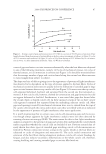
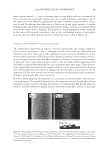
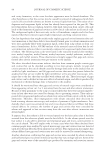
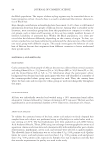
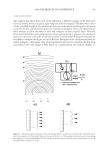
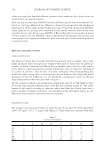
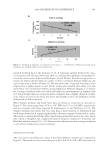
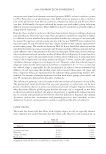
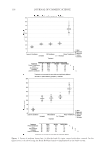
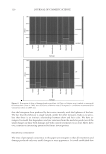
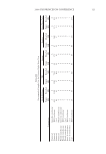
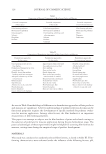
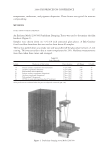
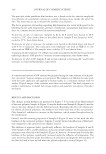
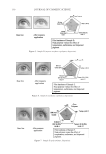
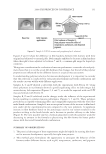
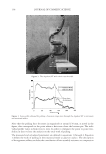
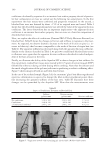
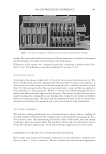
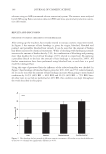
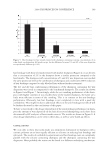
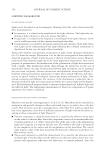
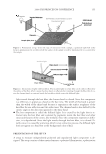
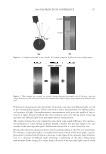
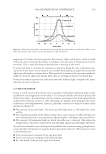
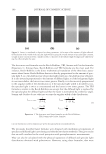
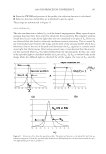
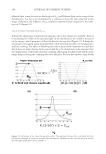
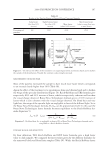
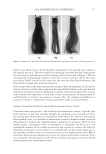
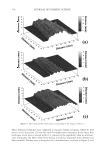
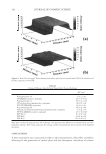
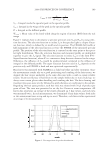
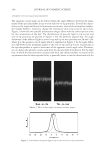
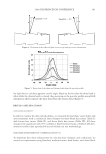
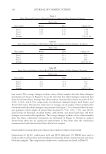
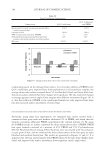
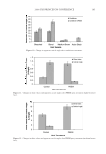
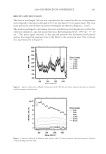
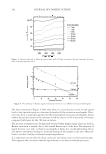
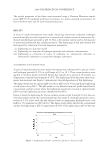
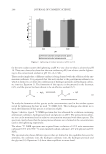
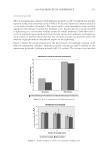
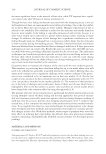
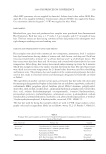
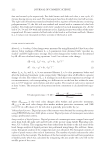
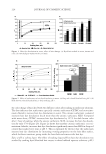
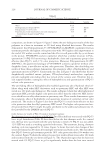
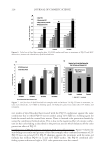
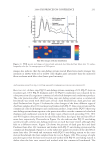
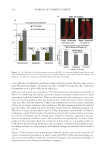
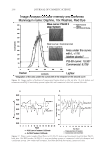
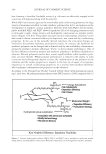
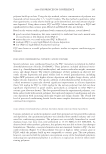
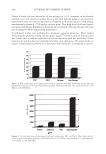
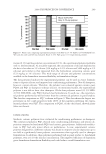
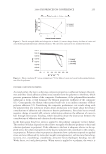
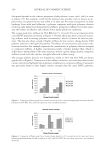
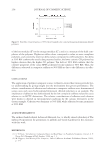
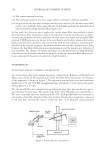
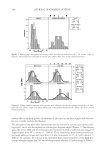
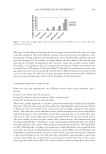
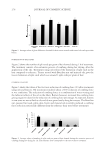
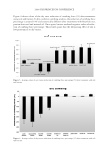
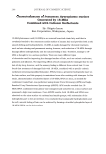
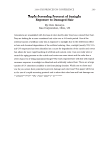
JOURNAL OF COSMETIC SCIENCE 246 Figure 4 shows silicone deposition of the polymer at 0.1% compared to benchmark polymers at 0.25% after fi ve washes. Even at less than half the polymer concentration, signifi cantly more silicone was deposited as compared with cationic guar (5000 mg/kg, experimental polymer & ~700 mg/kg, cationic guar). This high level of silicone deposi- tion gives formulators fl exibility in formulation, potentially reducing silicone and poly- mer in shampoos while maintaining performance. Several panel studies were performed to determine consumer preference. These studies were primarily performed using cationic guar ( JaguarTM C13S) as control. Cationic guar was chosen since it exhibits high levels of silicone depositon with this particular silicone particle size and also does not normally formulate clear shampoos. The panel studies in Figure 5 show panelist preference for the experimental polymer as compared to cationic Figure 3. Wet comb reduction of experimental polymers compared with PQ7, PQ10 and cationic guar. All polymers were used at 0.3% except experimental polymer, which was used at 0.15%. Surfactant base: 15.5% SLES-2/2.6% DSCADA. Figure 4. Silicone deposition of experimental polymer, cationic guar, PQ7 and PQ10. All polymers were at 0.25% except experimental polymers, which was used at 0.1%. Silicone concentration: 1%, surfactant base: 15.5% SLES-2/2.6% DSCADA.

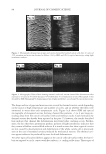
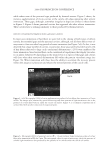
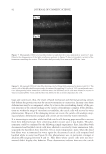
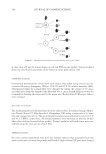
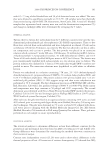
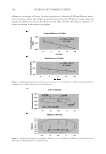
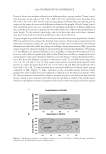
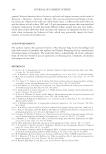
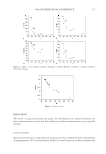
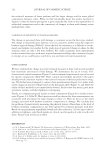
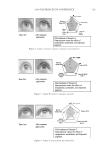
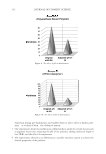
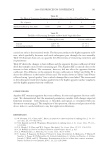
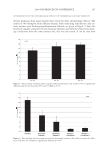
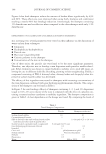
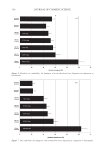
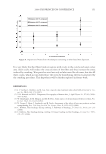
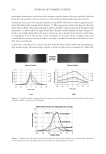
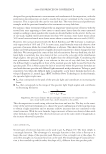
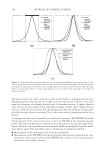
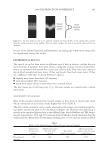
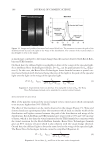
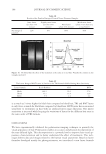
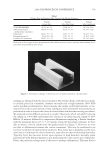
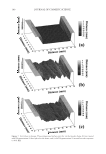
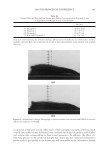
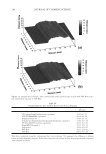
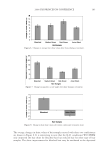
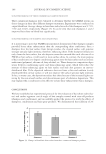
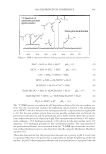
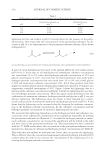
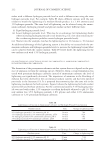
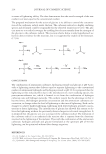
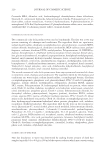
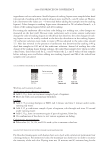
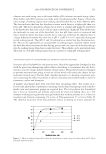
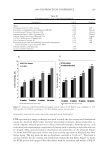
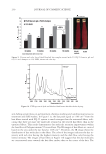
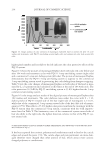
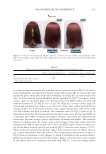
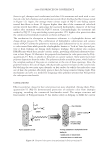
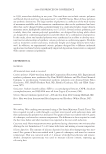
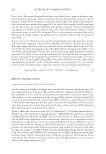
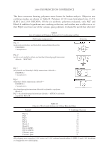
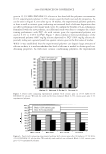
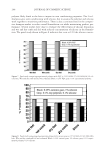
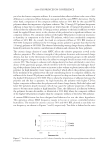
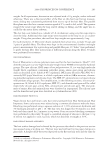
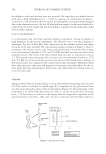
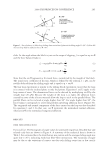
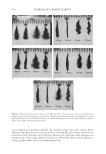
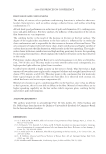
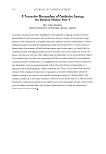
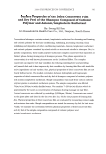
2008 TRI/PRINCETON CONFERENCE 247 guar in 15.5% SLES-/DSCADA/1% silicone at less than half the polymer concentration (0.1% experimental polymer 0.25% cationic guar) for both wet and dry properties. As can be seen in Figure 6, even after up to 10 washes, the experimental polymer performs at least as well as cationic guar, indicating an increased level of silicone deposition does not affect performance after many wash cycles. To confi rm the benefi ts of 2-in-1 shampoos formulated with the new polymer, an additional study was done to compare the condi- tioning performance with PQ7. As with cationic guar, the experimental polymer was used at 0.1% vs. 0.25% for PQ7. Figure 7 shows similar or better performance of the experimental polymer (4967 mg/kg silicone deposited) vs. PQ7 (1091 mg/kg silicone de- posited), ruling out a general panel bias against cationic guar in the fi rst series of studies. While it was established that the experimental polymer can deposit large amounts of silicone on hair, it is unclear whether this level of silicone is needed to obtain good con- ditioning properties. As with most cationic conditioning polymers, the experimental Figure 5. Panel study comparing experimental polymer with cationic guar in 15.5% SLES-2/2.6% DSCADA/1% silicone. Wet and dry comb and feel was evaluated. Black: 0.25% cationic guar gray: 0.1% experimental polymer. Figure 6. Panel study comparing experimental polymer with cationic guar after 10 washes in 15.5% SLES- 2/2.6% DSCADA/1% silicone base. Wet and dry comb and feel was evaluated. Black: 0.25% cationic guar gray: 0.1% experimental polymer.
Purchased for the exclusive use of nofirst nolast (unknown)
From: SCC Media Library & Resource Center (library.scconline.org)