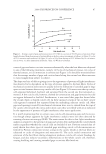
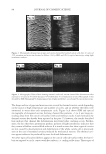
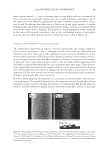
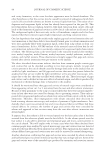
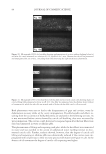
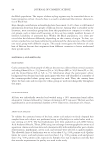
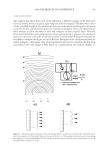
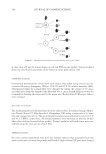
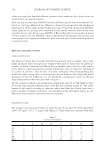
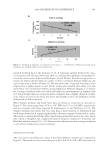
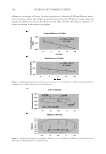
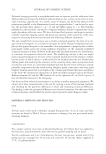
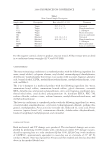
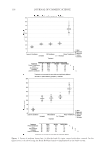
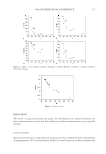
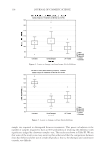
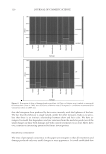
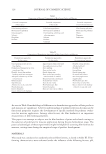
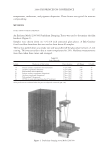
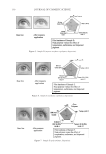
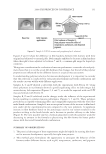
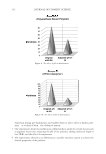
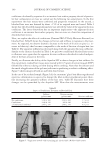
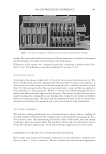
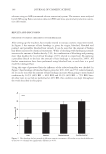
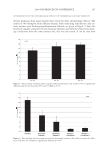
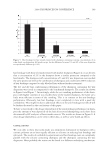
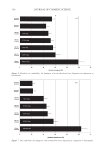
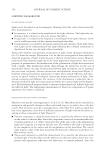
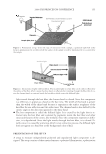
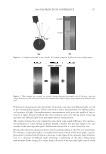
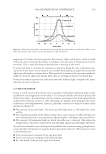
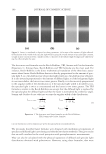
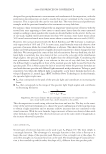
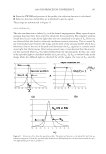
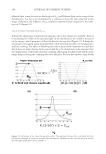
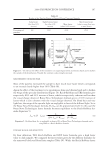
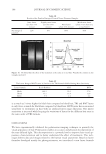
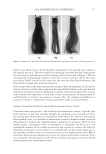
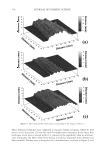
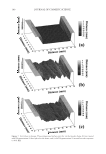
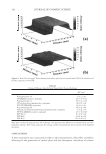
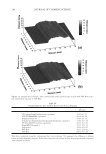
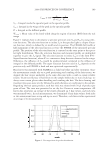
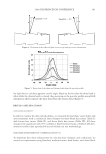
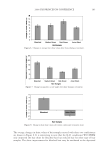
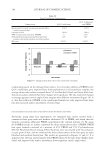
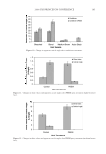
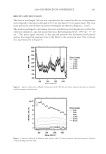
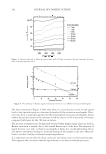
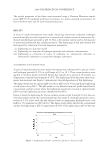
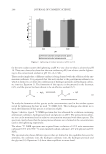
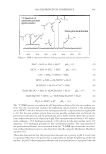
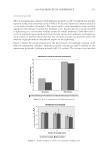
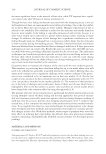
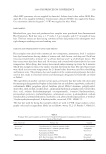
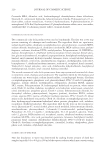
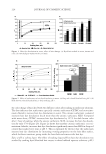
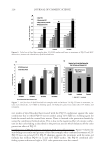
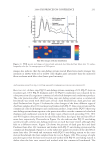
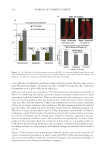
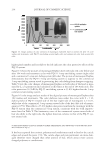
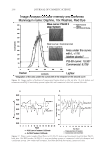
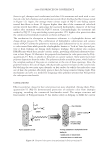
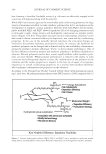
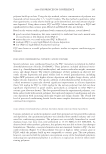
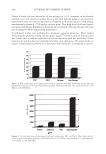
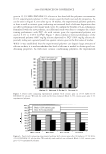
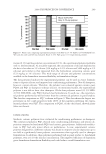
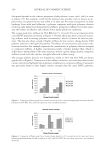
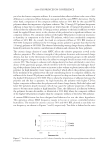
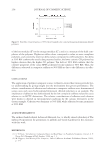
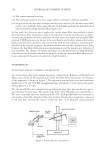
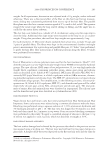
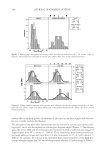
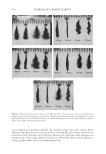
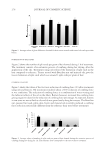
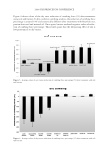
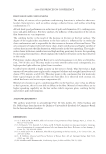
JOURNAL OF COSMETIC SCIENCE 248 polymer likely binds to the hair to impart its own conditioning properties. The 2-in-1 shampoos give extra conditioning with silicone, but in essence the polymer and silicone work together to maximize performance. There is also a continued need in the competi- tive shampoo market to reduce overall formulation cost while maintaining product per- formance. Several studies were done to evaluate the effectiveness of silicone deposition and wet and dry comb and feel with reduced concentrations of silicone in the formula- tion. The panel study shown in Figure 8 indicates that even at 1/10 the silicone concen- Figure 7. Panel study comparing experimental polymer with PQ7 in 15.5% SLES-2/2.6% DSCADA/1% sili- cone base. Wet and dry comb and feel was evaluated. Black: 0.25% PQ7 gray: 0.1% experimental polymer. Figure 8. Panel study comparing experimental polymer with cationic guar in 15.5% SLES-2/2.6% DSCADA base. Wet and dry comb and feel was evaluated. Black: 0.25% cationic guar, 1% silicone gray: 0.1% experi- mental polymer, 0.1% silicone.

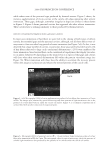
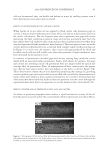
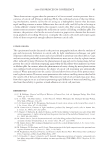
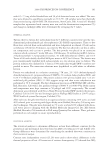
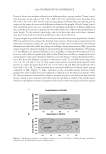
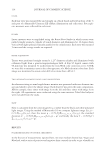
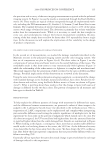
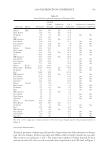
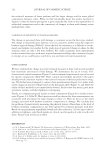
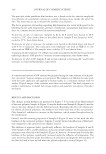
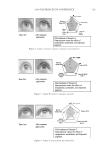
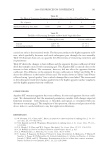
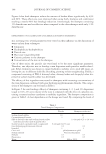
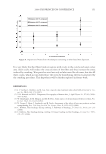
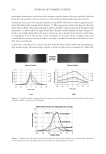
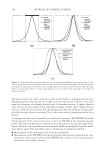
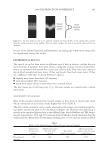
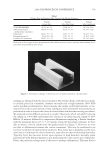
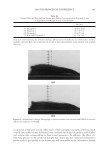
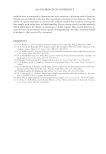
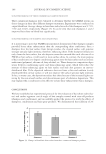
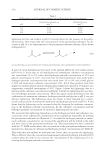
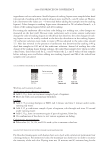
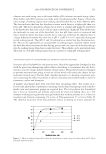
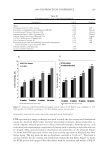
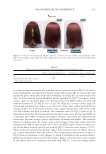
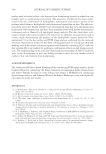
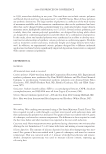
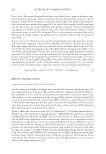
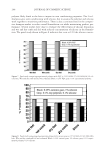
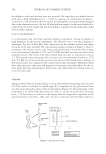
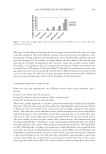
2008 TRI/PRINCETON CONFERENCE 249 tration (0.1%) and low polymer concentration (0.1%), the experimental polymer performs well vs. the benchmark. As would be expected, the concentration of silicone deposited on the hair is less than at 1% silicone (534 mg/kg at 0.1% silicone and 5400 mg/kg at 1% silicone) and similar to that deposited from the formulation containing cationic guar (523 mg/kg at 1% silicone). This wide range of silicone and polymer concentrations available to the formulator increases fl exibility in formulation design. The data presented indicate the experimental polymer can be used in 2-in-1 formula- tions to deposit silicone and improve hair conditioning performance. Not all shampoos, however, contain silicone. Therefore, the polymer was evaluated against cationic guar, PQ10 and PQ7 in shampoos without silicone. As mentioned earlier, the experimental polymer is not able to form clear shampoos. Of the four polymers tested (15.5% SLES- 2/2.6% DSCADA), only PQ10 formed clear formulations. In each case , the experimen- tal polymer performed as well or better than the commercial polymers in panel studies. The data for comparison vs. PQ7 is shown in Figure 9. This data shows the largest im- provement in wet comb properties with 100% of the panelists preferring the experi- mental polymer over PQ7. The comparison to PQ10, on the other hand, showed parity (data not shown). CONCLUSIONS Synthetic cationic polymers were evaluated for conditioning performance in shampoos. The commercial polymer, PQ7, showed some conditioning performance and silicone de- position compared to benchmark PQ10 and cationic guar polymers. Additional modifi ca- tions to PQ7 had only minor affects on performance. A new, experimental cationic polymer designed for a different industry was found to improve silicone deposition up to ten fold at signifi cantly lower polymer concentrations than typically used in shampoo formulations. In addition, these polymers performed well in panel studies vs. benchmark polymers, even at 1/10 the silicone concentration. The improved effi ciency of deposition gives formulators formulation fl exibility and could reduce overall formulation cost. Figure 9. Panel study comparing experimental polymer with PQ7 in 15.5% SLES-2/2.6% DSCADA base. Wet and dry comb and feel was evaluated. Black: 0.25% PQ7 gray: 0.1% experimental polymer.
Purchased for the exclusive use of nofirst nolast (unknown)
From: SCC Media Library & Resource Center (library.scconline.org)