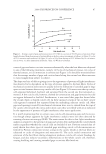
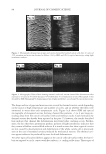
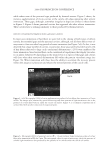
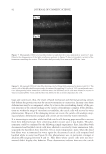
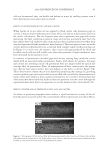
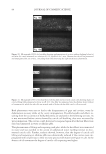
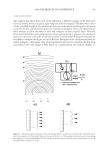
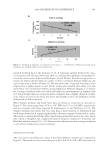
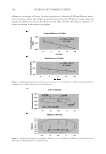
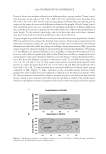
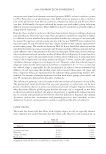
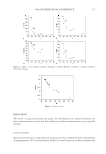
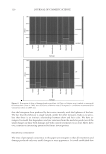
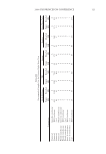
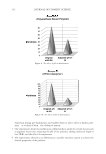
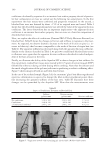
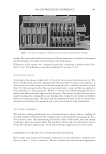
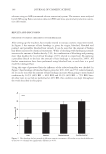
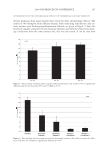
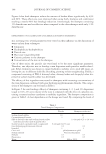
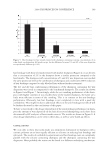
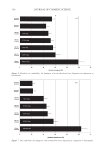
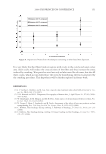
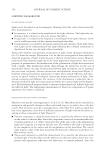
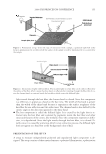
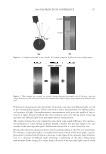
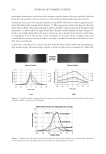
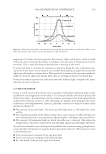
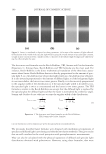
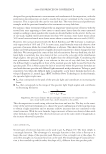
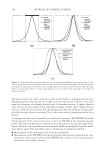
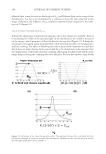
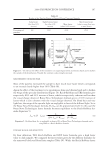
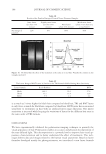
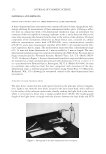
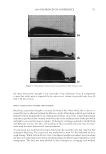
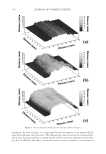
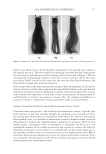
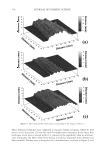
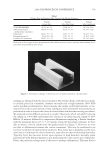
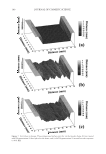
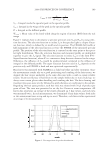
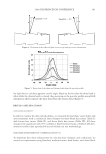
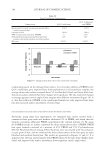
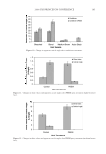
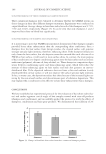
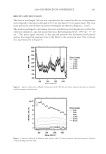
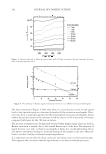
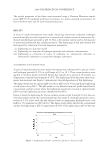
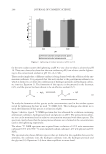
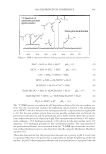
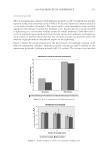
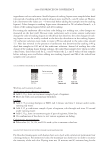
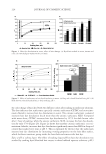
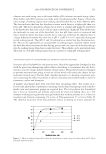
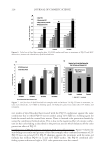
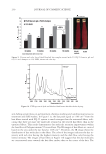
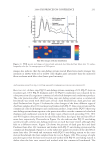
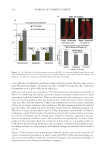
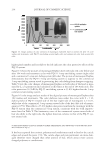
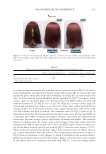
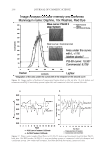
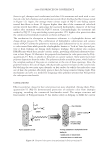
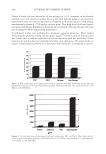
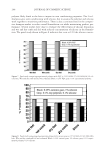
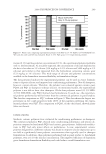
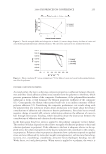
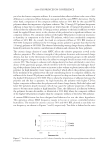
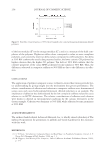
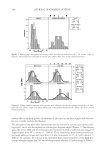
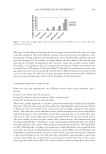
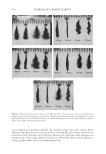
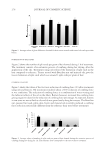
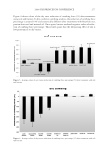
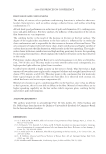
JOURNAL OF COSMETIC SCIENCE 254 25°C, 90% RH. Testing was done using a support span of 2.54 cm and a fl exure rate of 40 mm/s. The data were plotted as force versus time. Peak force was used as a measure of stiffness instead of Young’s modulus, (6) which is in the linear deformation region of the curve, because it is a better probe of adhesion. (7) Five samples were prepared per poly- mer, and the averages are reported. RESULTS Traditionally, rigid polymers have been used in fi xative applications to create stiff-hold hairstyles. It is generally believed that the fi xative polymer stiffens the hair since the stiff- ness of treated hair is more rigid than the untreated hair fi bers. However, it will be dem- onstrated that fi xative-treated hair is a polymer-fi ber composite. Thus, the hair fi bers are the primary source of strength of the composite, and adhesion is of prime importance in achieving polymer composite properties. This does not mean that the cohesive properties are unimportant, as the results for the chosen example will demonstrate. With adequate adhesion, the cohesive strength of the polymer affects the stiffness of the composite. Therefore, the cohesive properties of potential fi xative polymers must also be considered. Cohesion of fi xative polymers is probed by mechanical tests on thin fi lms. FILM PROPERTIES Dynamic mechanical analysis (DMA) and tensile testing were conducted to give compli- mentary information on polymer cohesion. Tensile data for cassia and two cationic de- rivatives are shown in Figure 3, plotted as percent elongation to break and tensile strength versus charge density. These results show that as the cationic charge substitu- tion increases, the tensile strength decreases, and the elongation increases. In other words, the quaternary substitution in this example appears to plasticize and thus in- crease the stress relaxation properties of the polymer. With respect to the chemical structure of cassia, intermolecular hydrogen bonding is expected to drive close packing of the polymer chains and act as a primary contributor to the cohesive strength. The cationic substitution in this example adds fl exible short chain branches to the polymer backbone, which cause steric hindrance to close packing, creating additional free volume that gives a plasticization effect to the polymer. Thus, a decrease in the glass transition temperature (Tg) is expected. DMA was used to measure the Tg, an important parameter for describing amorphous polymer rigidity. The Tg is related to the activation energy needed to enable long-range, coordinated molecular motion hence, the Tg is related to the cohesive energy density (8) of the polymer and is affected by inter- and intramolecular forces and molecular architec- ture (9,10). The effect of the level of cationic substitution on the Tg of cassia is shown for the example polymers in Figure 4. The elastic modulus, E , is plotted versus temperature, and the onset of Tg is indicated by the temperature at which E begins to decrease. The DMA data reinforce the concept that cationic charge substitution causes steric hindrance to intermolecular attractive forces and consequently lowers the cohesive en- ergy density. The glass transition temperatures for these cassia polymers decrease with increased charge density.

2008 TRI/PRINCETON CONFERENCE 255 POLYMER COMPOSITE PROPERTIES As stated earlier, the key to achieving composite properties is adhesion between the poly- mer and fi ber. Good adhesion allows stress transfer from the polymer to the fi bers, which prevents premature failure of the composite. Furthermore, if the polymer/fi ber interface (adhesion) is weak, it will dominate the fl exural properties (stiffness) of the composite (11). Consequently, the fl exure (three-point bend) test is an indirect measure of fi ber/ polymer adhesion (12). Considering the composite performance test results along with the polymer fi lm test (cohesion) results allows deductions to be made about the relative contributions of adhesion and cohesion to fi xative performance. Since hair has an overall negative charge at neutral pH, cationic substitution enhances the adhesion of cassia to hair through electrostatic bonding, which should facilitate the distinction between the contributions of adhesion and cohesion for this example. In the three-point bend test, stress is applied to the polymer composite to force failure. The mode(s) of failure depends on the relative strengths of adhesion (polymer to hair) and cohesion (polymer to polymer). If the adhesion to the hair is adequate relative to the ap- plied stress, the cohesive properties of the fi xative polymer will contribute to the compos- ite properties. Polymer cohesive properties determine how a polymer responds to applied stress and are infl uenced by molecular weight (entanglements), architecture (branching, tacticity, etc), crosslinking, crystallinity, attractive forces (hydrogen bonding, van der Waals forces, etc) and plasticization. When stress is applied to a polymer, the way it is Figure 3. Tensile strength (MPa) and elongation to break (%) versus charge density for fi lms of cassia and cassia hydroxypropyltrimonium chloride polymers. The error bars represent ± one standard deviation. Figure 4. Elastic modulus (E ) versus temperature (°C) for fi lms of cassia and cassia hydroxypropyltrimoni- um chloride polymers.
Purchased for the exclusive use of nofirst nolast (unknown)
From: SCC Media Library & Resource Center (library.scconline.org)