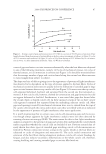
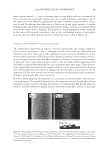
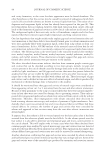
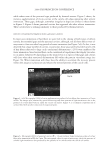
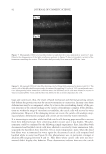
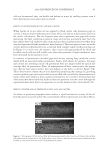
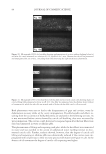
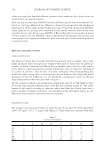
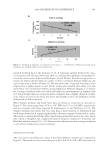
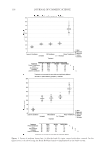
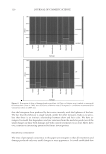
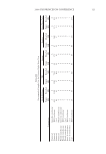
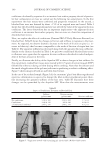
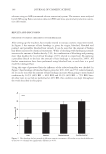
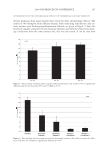
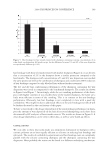
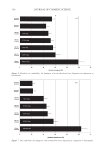
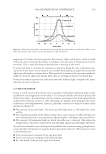
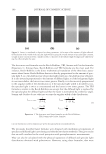
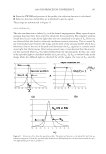
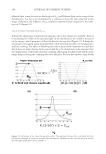
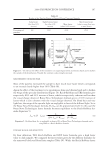
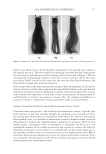
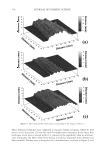
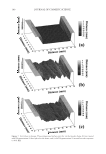
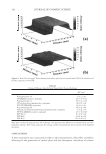
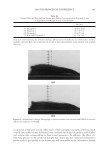
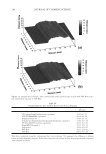
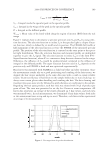
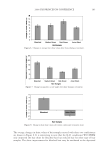
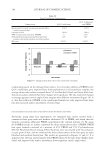
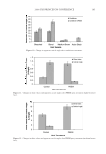
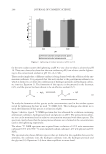
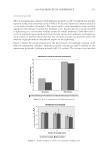
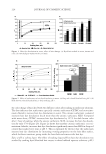
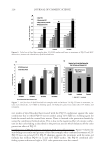
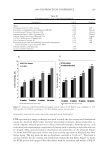
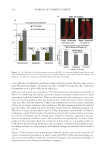
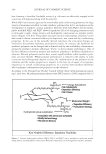
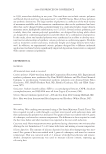
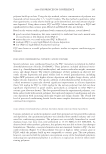
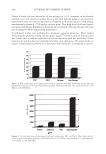
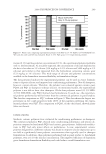
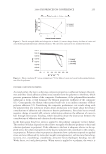
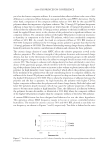
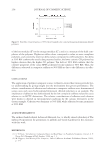
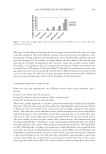
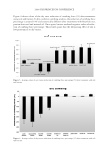
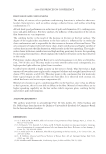
JOURNAL OF COSMETIC SCIENCE 256 dissipated depends on the cohesive properties of the polymer it may crack, yield, or craze at failure (13). For example, a stiff, brittle polymer may quickly crack to relieve an ap- plied stress, but plasticization may allow it to relax out the stress and prevent or delay breakage. Even with good adhesion, a polymer composite with poor polymer cohesion results in early failure and ultimately less stiffness. Composite stiffness test results repre- sent the balance of adhesive and cohesive forces under given test conditions. The average peak force stiffness (at 50% RH) for 0.5, 1.0 and 2.0% (w/w) solutions of the cassia HPTC polymers are shown in Figure 5. Overall, these data show a trend of increas- ing stiffness with increasing polymer concentration, which is known for fi xative poly- mers. The data also show a trend of higher stiffness for low cationic charge density (CD) polymer relative to the high CD polymer. The effects of concentration and cationic sub- stitution level for this example represent the contribution of polymer cohesive strength to composite stiffness. A higher concentration yields a thicker polymer fi lm, which is stiffer than a thinner fi lm of the same material, and for a given charge density, composite stiffness trends with the cohesive strengths observed in fi lm testing. The average stiffness data for 2% dispersions, tested at 50% and 90% RH, are shown graphically in Figure 6. Comparison of the stiffness value for cassia with the values for the cationic derivatives highlights the importance of adhesion to composite stiffness. Cassia gum was previously shown to have higher cohesive strength than the cassia HPTC polymers, Figure 5. Composite stiffness (peak force) versus concentration for cassia hydroxypropyltrimonium chloride polymers at 50% RH. The error bars represent ± one standard deviation. Figure 6. Composite stiffness (peak force) versus charge density at 2% concentration for cassia and cassia hydroxypropyltrimonium chloride polymers at 50% and 90% RH. The error bars represent ± one standard deviation.

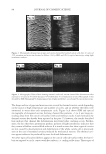
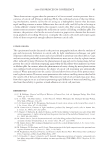
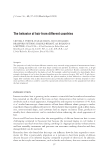
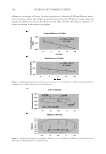
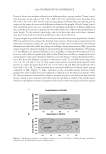
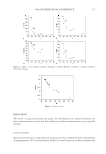
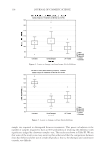
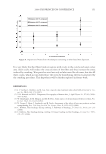
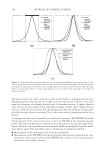
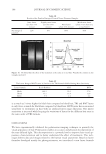
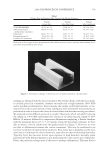
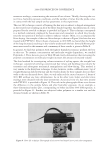
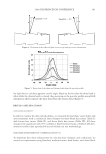
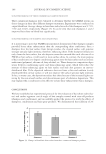
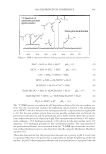
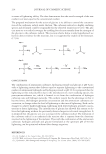
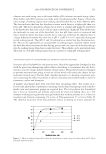
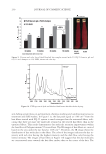
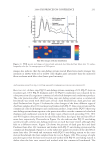
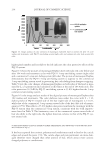
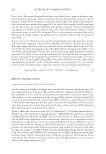
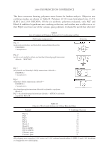
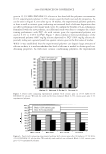
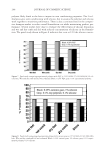
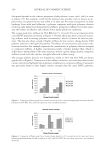
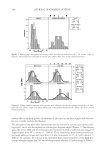
2008 TRI/PRINCETON CONFERENCE 257 yet it has the lowest composite stiffness. It is surmised that adhesive failure is the cause of this difference in composite stiffness between cassia gum and the cassia HPTC derivatives. On the other hand, comparison of the composite stiffness values at 50% RH for the cassia HPTC polymers shows the importance of polymer cohesion. The 3.0 meq/g CD polymer has greater adhesion to hair, but its cohesive properties are lower than the 1.8 meq/g CD polymer. It is deduced that the adhesion of the 1.8 meq/g cationic polymer to the hair is suffi cient to with- stand the applied fl exure stress, so the cohesion of the polymer has a signifi cant infl uence on composite stiffness. The composite stiffness of the higher CD polymer is relatively insensitive to humidity in comparison to the lower CD polymer, which loses considerable composite stiffness at 90% RH. As a result, the trend in composite stiffness at 50% RH reverses at 90% RH. Composite stiffness for the 3.0 meq/g cationic polymer is greater than that for the 1.8 meq/g polymer at 90% RH. The observed relationship among charge density, stiffness and humidity indicates the relative contributions of adhesion and cohesion for these polymers. The cationic charge density of cassia HPTC affects the cohesive properties as well as the adhesive properties. The cohesive strength of the polymer decreases with increased charge density, but due to the electrostatic forces between the quaternary groups on the polymer and the negative charges on the hair, the adhesive strength should increase with increased cationic CD. The change in cohesion with charge density has been attributed to steric hin- drance of the quaternary groups, which interferes with the intermolecular hydrogen bond- ing of the polymer chains and causes an increase in free volume or plasticization effect of the polymer. At high humidity, water vapor is absorbed, which affects the polymer properties. If the modulus of the polymer were the only contributing factor to composite stiffness, the stiffness of the lower CD polymer would be expected to drop no lower than the stiffness of the higher CD polymer at 90% RH. This is where the importance of adhesion between the polymer and the hair is apparent. At high humidity, the polymer with higher CD has higher composite stiffness than the polymer with lower charge density. Both the higher and lower CD polymers absorb moisture, which may cause the cohesive properties of the poly- mers to become more similar at high humidity. Thus, the differences in adhesion between the polymers become discernible, as illustrated at 90% RH, where the composite stiffness of the higher CD polymer is higher than the composite stiffness of the lower CD polymer. A custom DMA fi xture has been designed and fabricated to test the above hypothesis. This apparatus allows DMA frequency sweeps to be run at various, controlled relative humidities. The results for cationic cassia at 50% and 90% RH, plotted as tan delta ver- sus frequency, are shown in Figures 7 and 8, respectively. Tan delta is defi ned as the ratio Figure 7. Tan delta versus frequency at 50% relative humidity for cassia hydroxypropyltrimonium chloride polymers.
Purchased for the exclusive use of nofirst nolast (unknown)
From: SCC Media Library & Resource Center (library.scconline.org)