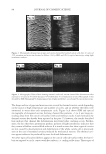
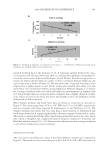
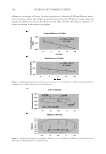
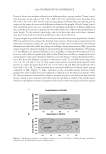
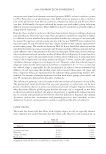
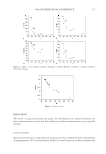
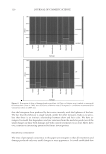
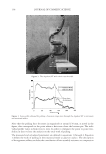
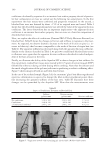
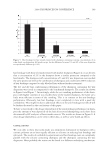
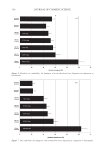
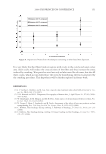
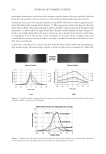
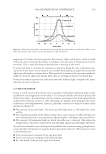
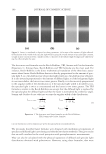
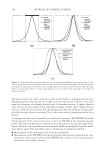
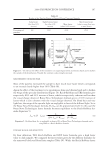
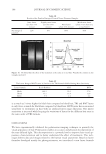
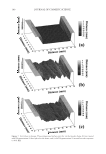
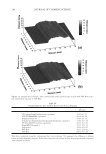
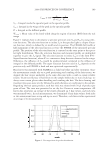
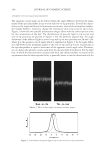
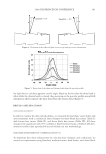
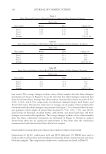
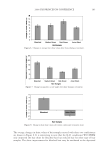
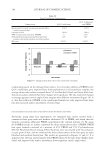
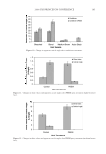
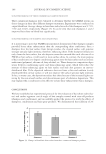
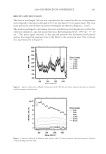
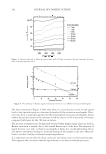
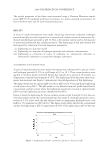
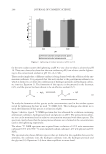
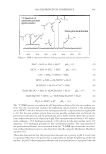
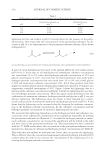
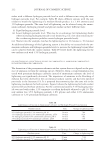
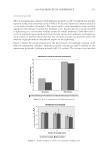
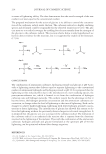
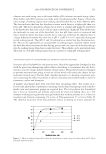
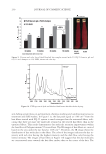
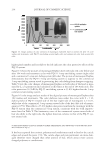
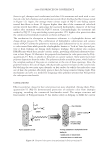
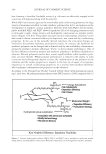
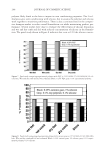
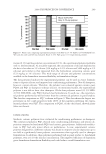
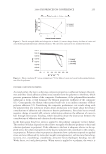
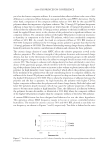
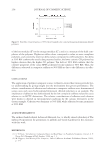
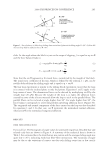
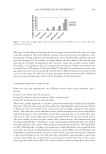
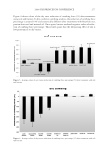
JOURNAL OF COSMETIC SCIENCE 258 of the loss modulus (E ) to the storage modulus (E ), and it is a measure of the bulk com- pliance of the polymer. Higher tan delta values correspond to softer or more compliant polymers, and conversely, lower tan delta values correspond to stiffer polymers. Tan delta at 50% RH confi rms the tensile data presented earlier the lower cationic CD polymer has higher cohesion than the higher CD polymer. Tan delta at 90% RH confi rms that the cohesive properties of the cassia HPTC polymers become similar at 90% RH. Thus, the differences observed in composite stiffness at 90% RH are due to the differences in adhe- sion. CONCLUSIONS The application of polymer composite science to fi xative-treated hair tresses provides bet- ter understanding by giving insight into the mechanisms that govern performance. The relative contributions of adhesion and cohesion to composite stiffness were demonstrated using cassia and cassia hydroxypropyltrimonium chloride polymers as an example. The importance of adhesion was demonstrated by the low composite stiffness values for cassia relative to its HPTC derivatives. The relative contributions of adhesion and cohesion were shown to depend on environmental conditions for the cationic derivatives in the chosen example. Cohesion was dominant at 50% RH, while adhesion became prominent at 90% RH. ACKNOWLEDGMENTS The authors thank Lubrizol Advanced Materials, Inc. (a wholly owned subsidiary of The Lubrizol Corporation) for permission to publish and Carole Lepilleur for her assistance with this work. REFERENCES (1) S. T. Peters, “Introduction, Composite Basics and Road Map,” in Handbook of Composites, 2nd ed., S. T. Peters, Ed. (Chapman & Hall, London, 1998), pp. 1–4. (2) M. Piggott, Load Bearing Fibre Composites, 2nd ed. (Kluwer Academic Publishers, Boston, 2002), p. 173. Figure 8. Tan delta versus frequency at 90% relative humidity for cassia hydroxypropyltrimonium chloride polymers.

2008 TRI/PRINCETON CONFERENCE 259 (3) D. W. Rafferty et al., Polymer composite principles applied to hair styling gels, J. Cosmet. Sci., 59, 497–508 (2008). (4) F. Utz et al., Cationic cassia derivatives and applications therefor, US Patent 7,262,157 B2 (2007). (5) ASTM D882-02, Standard test method for tensile properties of thin plastic sheeting, (ASTM, West Conshohocken, PA, 1996). (6) L. H. Sperling, Introduction to Physical Polymer Science, 2nd ed. ( John Wiley & Sons, New York, 1992), p. 304. (7) T. D. Juska and P. M. Puckett, “Matrix Resins and Fiber/Matrix Adhesion,” in Composites Engineering Handbook, P. K. Mallick, Ed. (Marcel Dekker, New York, 1997), pp. 144, 146, 158. (8) L. H. Sperling, Introduction to Physical Polymer Science, 2nd ed. ( John Wiley & Sons, New York, 1992), pp. 310–311. (9) Ibid, p. 363. (10) L. E. Nielsen and R. F. Landel, Mechanical Properties of Polymers and Composites, 2nd ed. (Marcel Dekker, New York, 1994), pp. 17–19. (11) M. Piggott, Load Bearing Fibre Composites, 2nd ed. (Kluwer Academic Publishers, Boston, 2002), p. 173. (12) T. D. Juska and P. M. Puckett, “Matrix Resins and Fiber/Matrix Adhesion,” in Composites Engineering Handbook, P. K. Mallick, Ed. (Marcel Dekker, New York, 1997), pp. 146, 158. (13) L. H. Sperling, Introduction to Physical Polymer Science, 2nd ed. (John Wiley & Sons, New York, 1992), pp. 506–509.
Purchased for the exclusive use of nofirst nolast (unknown)
From: SCC Media Library & Resource Center (library.scconline.org)