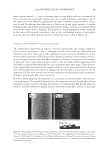
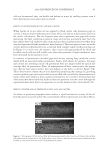
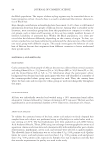
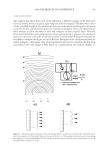
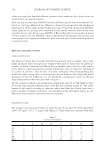
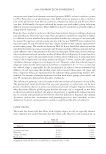
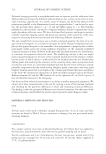
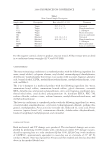
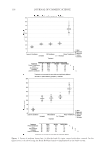
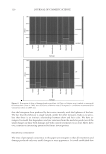
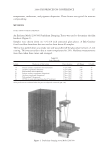
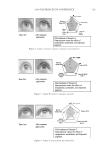
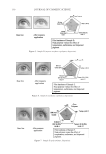
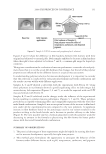
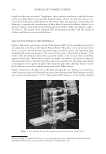
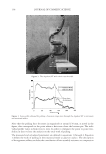
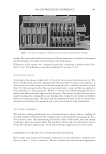
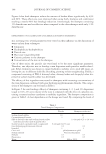
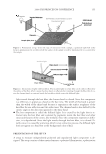
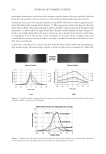
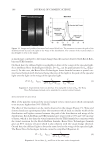
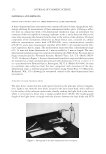
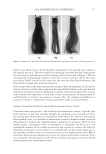
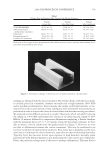
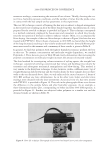
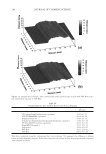
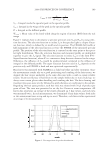
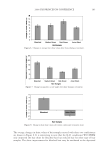
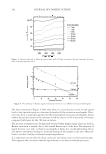
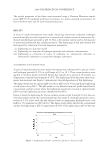
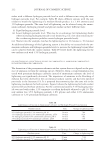
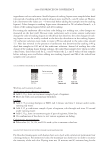
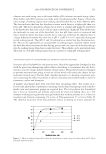
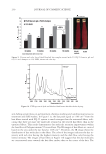
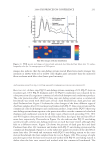
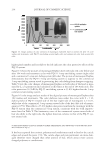
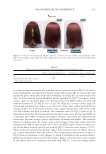
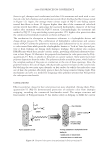
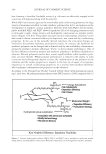
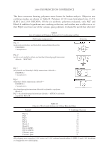
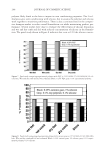
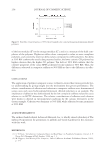
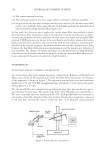
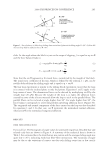
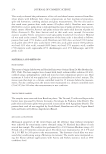
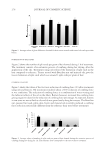
2008 TRI/PRINCETON CONFERENCE 145 strand). The mean and standard deviations of all ten strands were calculated to determine the hair breakage of strands treated with the same formulation. Differences in the means were evaluated statistically calculating a heteroscedastic Stu- dent’s t-test. The difference is regarded signifi cant for p-values 0.05. SPLIT ENDS EVALUATION To determine the amount of split ends, 1.5 cm of the tip section of each strand was cut. The fi bers with split ends were then separated from the intact fi bers by using a special device. It consists of a sieve with a pore size of 200 μm equipped with a cylinder to avoid loss of hair fi bers. For the sieving procedure the sieve was rotated and a counter air fl ow was applied to bring the fi bers in a vertical position. Within 15 min all intact fi bers had passed the sieve, whereas the fi bers with split ends stuck in the pores. The amount of split ends was deter- mined weighing the sticking fi bers and dividing their weight by the weight of all fi bers before the sorting procedure. The mean and the standard deviations of all ten strands were calculated to determine the amount of split ends treated with the same formulation. WET AND DRY COMBABILITY Wet and dry combing performances were determined using a robotic system, combing 10 bleached strands per formulation. The combing work was determined by integrating the force versus distance curve. After determining the baseline values of the strands, they were treated according to the protocol given above. The residual combing work was calculated as ratio of (work after shampoo application) / (work before shampoo application) for each strand. DETERMINATION OF THE AMOUNTS OF WAXES DEPOSITED ON THE HAIR Hair strands were treated with shampoo formulations as described above. Samples were taken out after 1, 3 and 5 treatments. The hair strands were extracted with appropriate Figure 1. Set-up for the parallel combing of 10 hair strands to determine hair breakage.

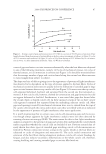
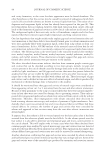
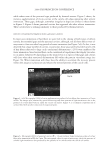
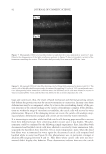
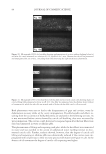
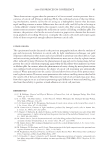
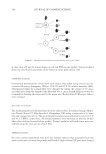
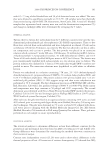
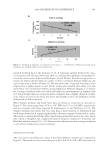
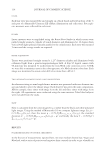
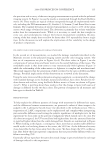
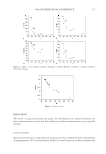
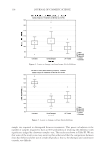
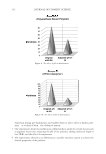
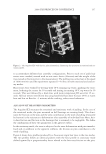
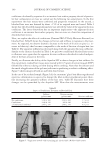
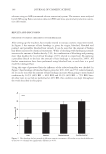
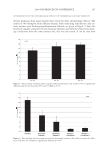
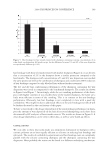
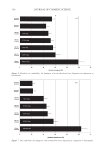
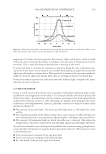
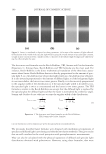
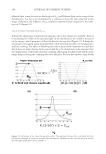
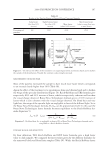
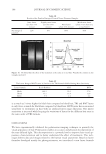
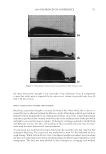
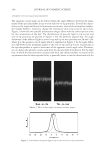
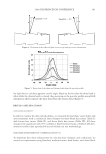
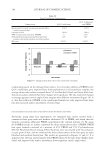
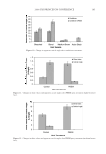
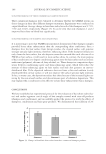
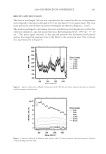
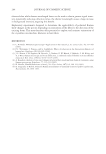
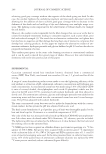
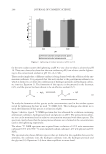
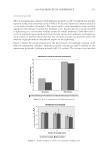
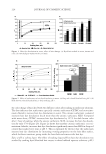
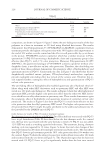
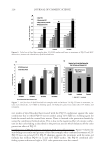
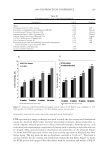
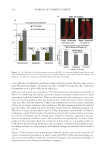
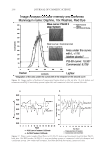
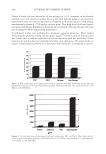
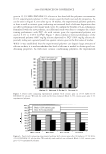
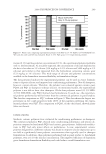
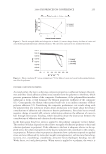
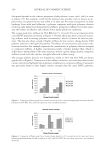
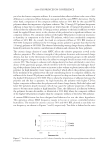
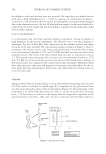
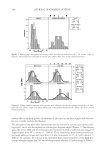
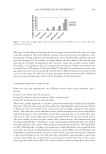
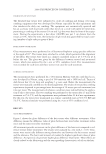
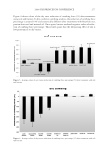
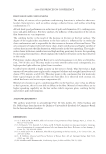
JOURNAL OF COSMETIC SCIENCE 146 solvents using an ASE (automated solvent extraction) system. The extracts were analyzed by GC/MS using fl ame ionization detector (FID) and mass spectrometry (electron ioniza- tion (EI) mode). RESULTS AND DISCUSSION INFLUENCE OF COSMETIC TREATMENTS ON HAIR BREAKAGE After setting up the machine, hair strands treated in various cosmetic ways were tested. In Figure 2 the amount of hair breakage is given for virgin, bleached, bleached and permed, and persulfate bleached hair strands. It can be seen that the amount of broken hair fi bers increases by chemical treatments. While a bleaching with hydrogen peroxide increases the amount of broken hair by 54%, the combination of bleaching and perming more than doubles the level of hair breakage (213% related to virgin hair). By applying a persulfate bleach to the hair the amount of hair breakage is increased by 244%. All further examinations have been performed using bleached hair, as such hair is a good model for damaged hair. Using this type of pretreated hair the infl uence of the relative humidity was checked. In Figure 3 hair breakage of bleached hair is given for 40%, 60% and 75% relative humid- ity. It can be seen that the amount of hair breakage increases when going to more humid conditions by 14.5% (40% RH - 60% RH) and 20.3% (40% RH - 75% RH) Since all other tests in our lab are performed at 40% RH, this condition was kept throughout the work described in this paper. Figure 2. Hair breakage for hair strands of different cosmetic treatments. All results except for the difference of the last two columns are signifi cantly different (p0.05).
Purchased for the exclusive use of nofirst nolast (unknown)
From: SCC Media Library & Resource Center (library.scconline.org)