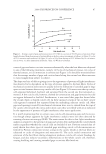
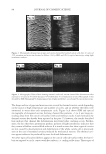
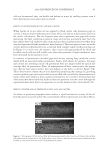
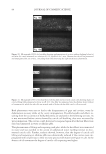
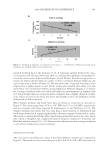
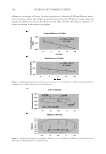
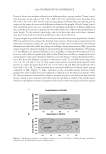
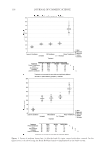
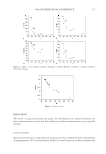
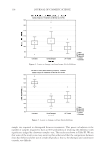
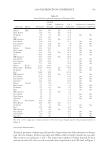
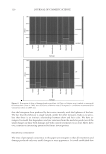
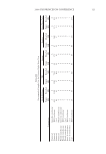
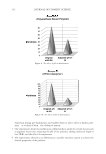
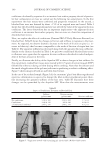
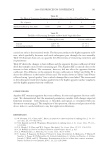
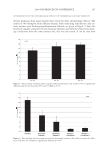
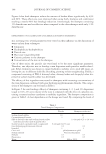
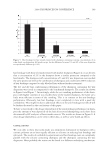
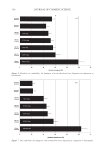
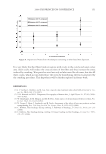
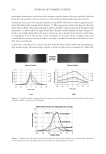
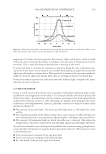
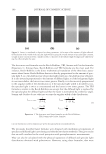
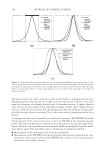
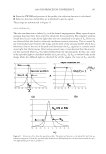
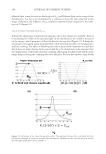
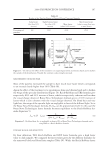
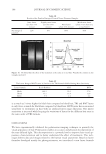
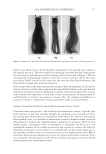
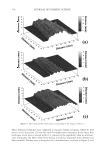
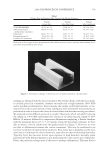
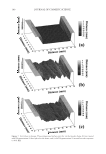
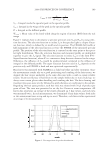
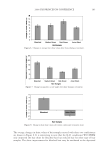
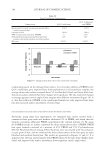
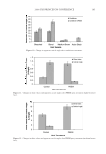
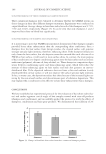
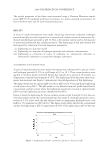
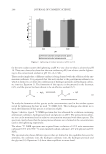
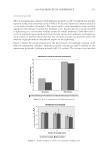
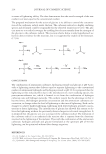
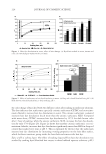
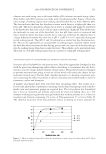
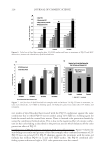
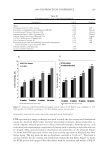
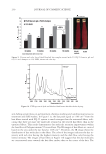
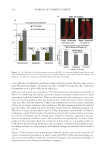
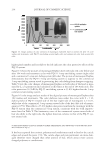
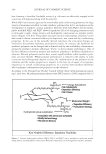
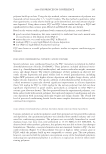
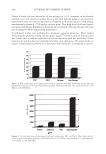
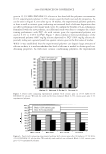
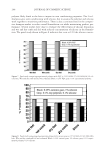
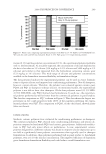
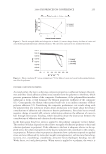
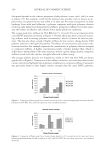
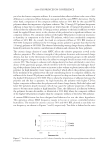
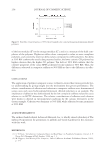
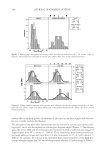
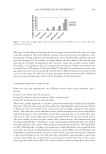
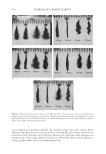
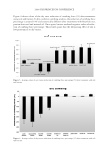
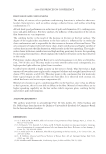
2008 TRI/PRINCETON CONFERENCE 149 hair breakage with those of strands treated with market shampoos (Figure 4), it can be seen that a concentration of 2% in the shampoo shows a similar protection compared to the benchmarks. The shampoos with concentrations of 3 and 4% wax dispersion even reached the same protection level as the combination of shampoos and conditioners (90% reduction of hair breakage compared to only bleached hair without further treatment). The wet and dry hair conditioning performances of the shampoos containing the wax dispersion was tested in comparison to the benchmark shampoos. The results are shown in Figure 6 and Figure 7. Interestingly, while the wet combing performance of the sham- poos with higher contents of wax reaches those of the market shampoos, the latter are a little more effi cient in terms of dry combing. This is in contrast to the anti-breakage performance. Obviously, low hair breakage is not completely in line with a good dry combability. This might be due to additional effects in the anti-breakage test which will be further discussed in the conclusions of this paper. To have a closer look to the dosage dependency of the anti-breakage performance in sham- poos the amount of wax deposited on the hair after several shampooing cycles have been determined by GC analytics of hair strands extracts. The results are shown in Figure 8. A clear dosage dependency can be seen in these data, as well as some build-up effects. CONCLUSIONS We were able to show that tailor-made wax dispersions formulated in shampoos with a cationic polymer are at least equally effi cient as silicones in reducing hair breakage and split ends. The results of combability experiments and hair breakage tests are completely parallel with the silicone containing shampoos and the shampoos containing the wax dispersion. Most probably the reason can be found in a different underlying mechanism. Figure 5. Hair breakage for hair strands treated with shampoos containing varying concentrations of an ether-based wax dispersion. All results except for the difference between 3% and 4% of the wax dispersion are signifi cantly different (p0.05).

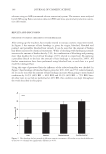
JOURNAL OF COSMETIC SCIENCE 150 Figure 7. Dry combability for shampoos with an ether-based wax dispersion in comparison to benchmarks. Figure 6. Residual wet combability for shampoos with an ether-based wax dispersion in comparison to benchmarks.
Purchased for the exclusive use of nofirst nolast (unknown)
From: SCC Media Library & Resource Center (library.scconline.org)