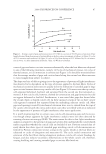
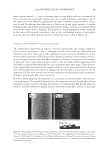
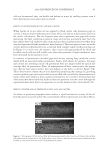
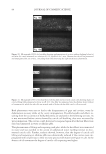
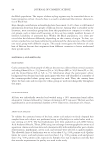
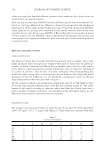
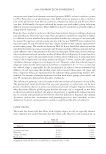
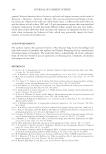
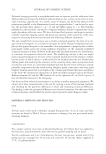
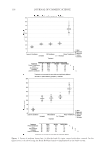
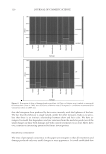
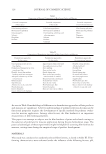
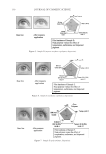
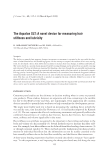
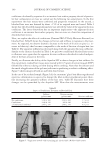
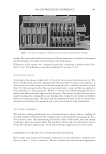
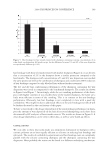
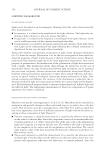
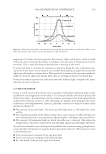
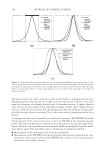
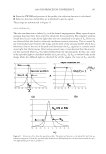
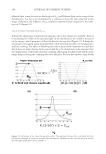
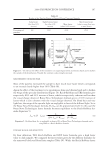
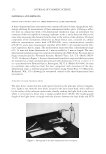
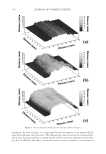
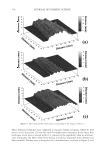
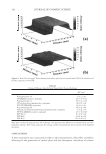
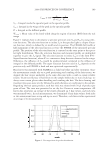
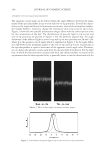
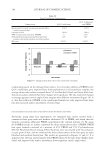
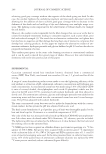
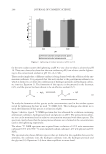
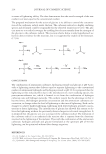
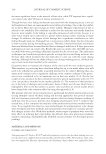
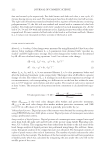
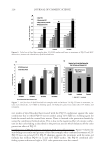
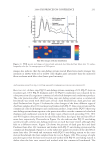
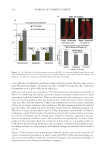
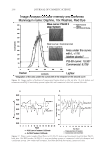
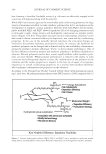
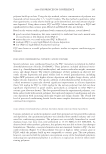
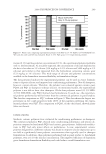
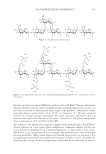
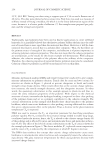
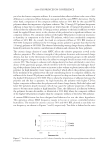
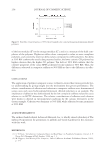
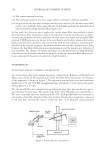
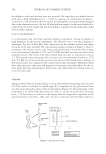
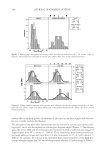
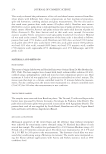
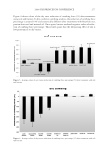
JOURNAL OF COSMETIC SCIENCE 164 diffused light is not the ratio on the height of Sout and Diffused light in the wings of the distributions. Sout has to be multiplied by a constant to keep the ratio observed in the wings. Otherwise, the infl uence of Sout would be underestimated compared to the infl u- ence of D (Figure 12). VISUAL WIDTH OF DISTRIBUTION (Wvisual) Among the advantages of polarization imaging, one is that images are available. Instead of measuring the width of the specular light on the distribution, the width is measured on the images, which permits to follow the band as the eye does (Figure 13). It keeps the advantage of averaging along multiple fi bers while limiting the effect of misalignment and bad combing. The effect of following the band is particularly important for dark hair which does not show chroma. In the case of dark hair, the shine band can be narrower than the displacement of the band caused by combing. Measuring the shine band width on the image helps reducing the combing effect for dark hair. For hair that shows a large width Figure 12. Extraction of Sout from the specular profi le. The selection function (b) is calculated with the parameters computed (a) from the specular light distribution. Multiplying the selection function and the specular light profi le gives the Sout profi le (c).

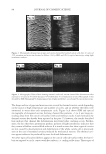
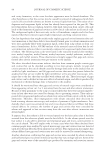
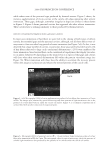
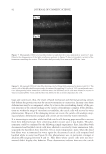
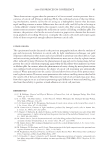
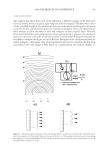
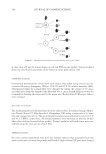
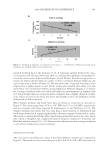
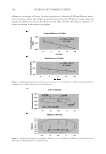
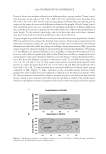
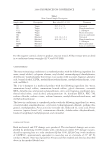
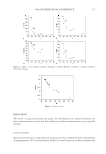
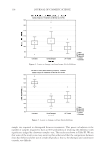
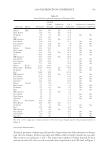
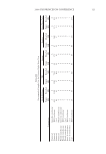
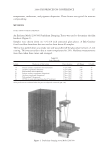
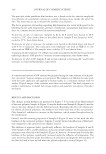
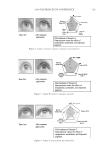
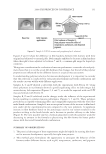
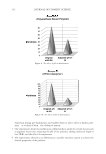
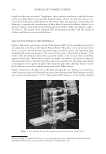
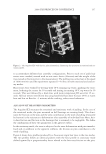
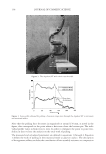
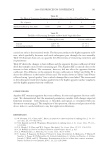
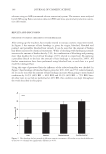
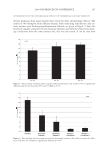
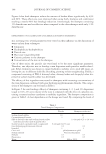
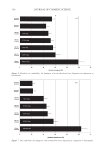
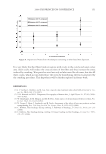
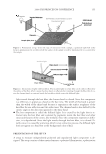
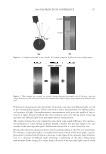
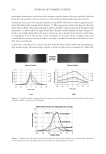
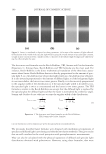
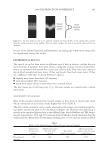
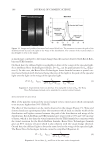
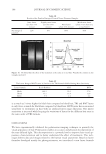
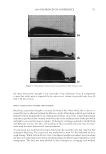
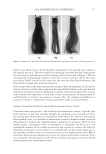
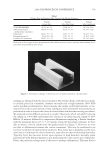
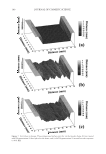
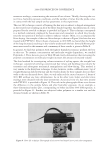
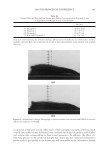
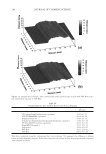
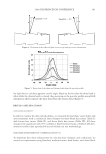
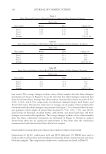
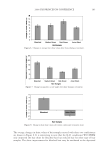
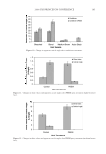
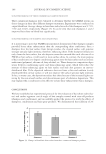
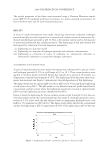
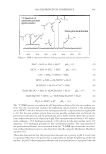
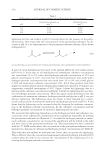
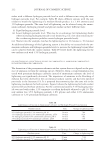
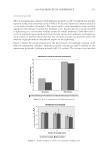
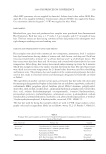
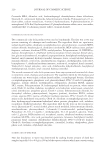
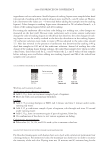
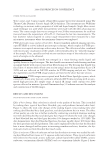
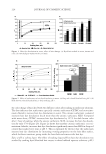
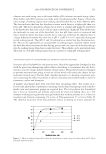
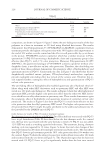
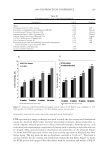
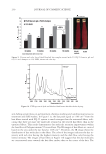
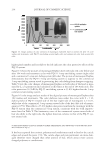
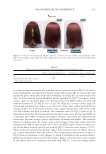
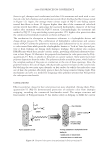
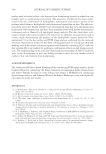
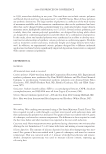
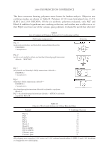
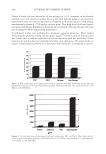
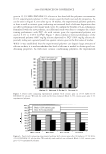
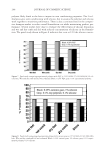
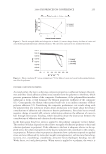
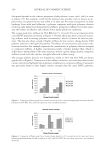
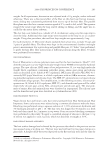
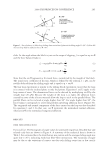
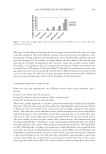
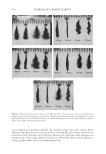
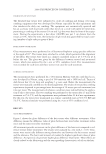
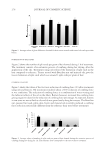
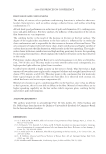
2008 TRI/PRINCETON CONFERENCE 165 Figure 13. On very dark hair that is not perfectly combed, the visual width can be signifi cantly narrower than the width measured on the profi les. This also partly explains the lack of sensitivity observed for very dark hair. because of the chroma band (red and blond hair), measuring the width on the image does not signifi cantly change the results. EXPERIMENTAL RESULTS The optical set-up has been tested on different type of hair in order to validate the new luster formula. 8 panelists have been asked to judge the increase of luster observed be- tween an untreated and treated hair tresses put side by side. They have been asked to decide which sample had more luster. If they can decide, they check same luster. If they see a difference, they have to decide between 3 choices: O slightly more luster (less than 30% increase) O more luster (about 50% increase) O much more luster (about or more than twice as much luster) The hair tresses are 8 inch long and 3.5 g. The hair sample was treated with a silicon shine spray. MEASUREMENT ON BLACK HAIR Most of the panelist estimated the treated sample to have more or much more luster which corresponds to an increase clearly higher than 50% (Table I). The effect of the treatment can be clearly observed on the images, the treated sample be- ing darker outside the peak of the distribution (Figure 14). However this darkening is mostly in the specular light and not in the diffused light. Reich-Robbins and TRI formu- lae give respectively a 16% and 27% increase of luster which is clearly much less than the visual sensation. Bossa Nova Technologies formula gives a 116% increase of luster, which Table I Results of the Panelist Rating of Treated Versus Untreated Samples Same luster (less than 10% increase) Slightly more luster (less than 30% increase) More luster (about 50% increase) Much more luster (about or more than twice as much luster) Percentage of panelists 0% 12% 38% 50%
Purchased for the exclusive use of nofirst nolast (unknown)
From: SCC Media Library & Resource Center (library.scconline.org)