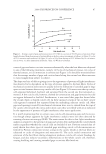
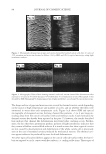
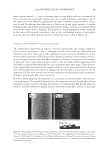
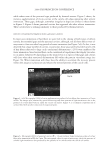
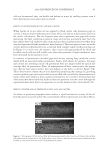
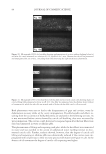
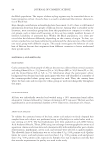
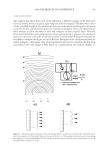
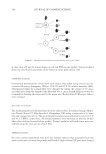
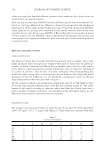
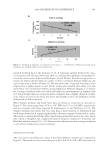
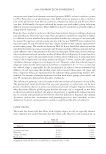
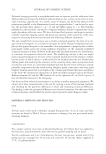
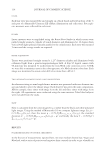
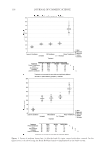
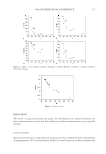
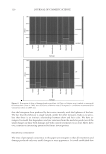
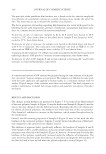
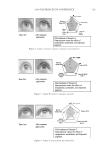
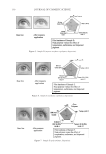
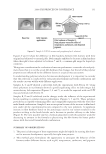
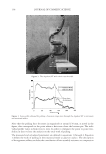
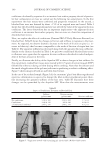
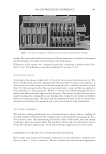
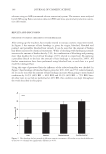
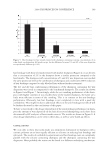
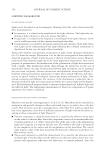
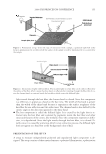
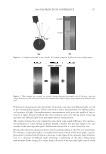
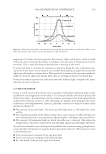
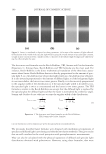
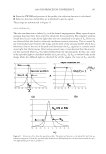
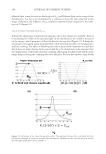
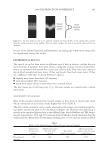
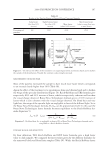
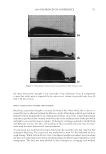
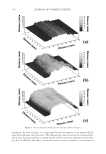
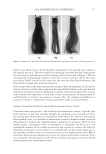
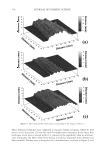
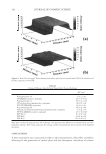
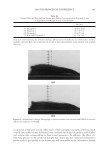
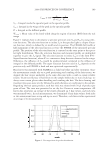
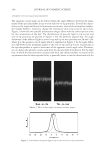
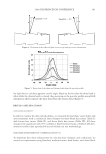
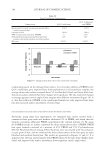
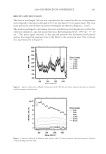
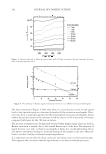
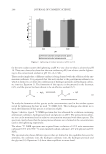
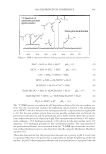
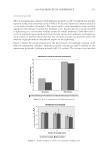
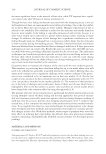
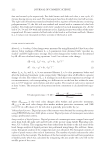
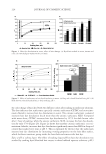
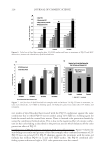
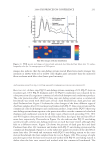
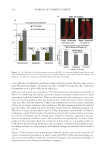
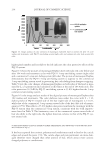
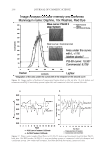
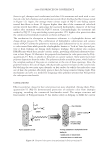
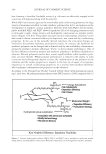
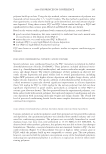
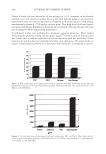
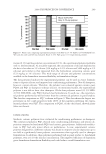
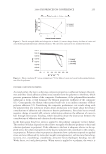
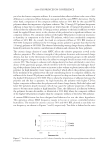
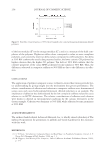
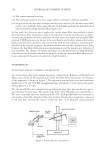
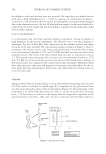
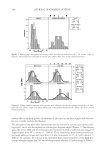
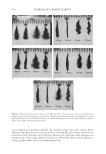
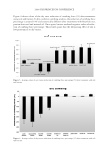
JOURNAL OF COSMETIC SCIENCE 166 is much more correlated to the visual change than the increase observed with Reich Rob- bins and TRI formulae. On black hair, the diffused light is negligible in front of the wings of the specular light. So in the Bossa Nova Technologies formula, D + Sout can be approximated to Sout (Equa- tion 3). In this case, the Bossa Nova Technologies luster formula becomes a spatial con- trast luster formula with the luster being the ratio of the light in the peak of the specular light over the light in the wings of the specular light. D S L S D S S S Wvisual out BNT in out in out = + ( )*Wvisual ~ * (3) Equation 3. Experimental results on dark hair. D is negligible in front of Sout. The Bossa Nova Technologies formula can be simplifi ed to a spatial contrast formula. MEASUREMENT ON RED HAIR Most of the panelist estimated the treated sample to have more luster which corresponds to an increase higher than 50% (Table II). The effect of the treatment can be clearly observed on the images (Figure 15). Shine and chroma bands are superimposed after the treatment which leads to smaller width of the distribution and higher contrast between the peak of the distribution and wings of the distribution. Reich-Robbins and TRI formulae give respectively a 63% and 34% increase of luster, which is less than the visual sensation for the TRI formula but consistent with the visual sensation for the Reich Robbins formula. Bossa Nova Technologies formula gives an 85% increase of luster which is also coherent with the visual change observed. On red hair, the diffused light is about the same level as the wings of the specular light. The Bossa Nova Technologies formula cannot be simplifi ed (Equation 4). D S LBNT S D S out in out ~ ( ) *Wvisual = + (4) Equation 4. On red hair, Sout and D are of the same order of magnitude. Figure 14. Images and profi les of untreated and treated black hair. The treatment increases the peak of the distribution and decreases the light in the wings of the distribution. The contrast of the treated sample is much higher as seen on the images.

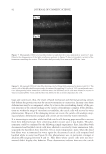
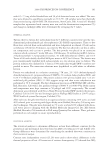
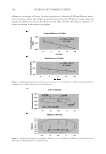
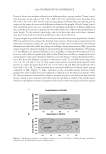
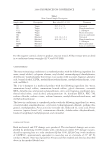
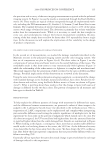
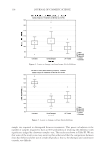
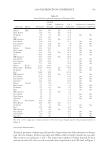
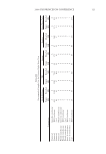
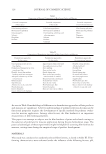
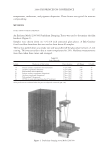
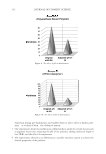
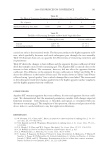
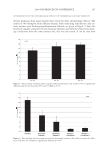
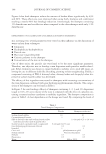
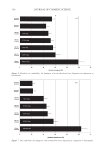
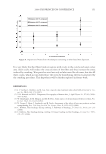
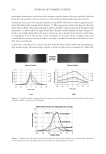
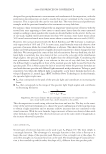
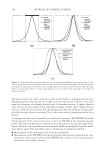
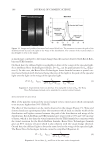
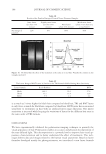
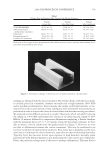
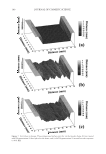
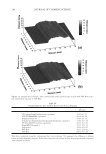
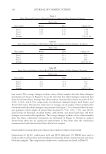
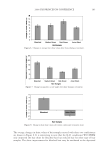
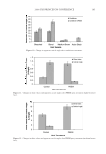
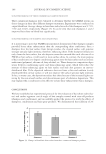
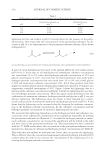
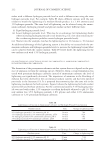
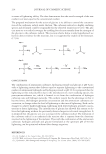
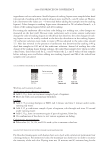
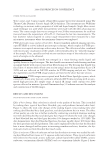
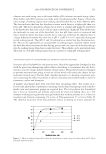
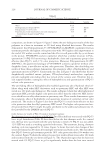
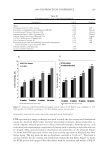
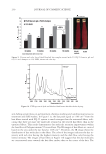
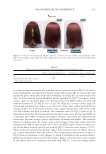
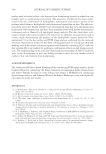
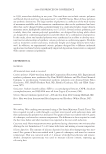
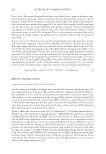
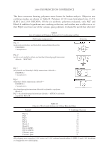
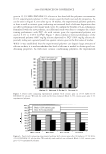
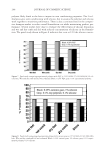
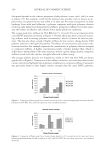
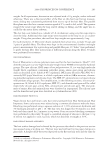
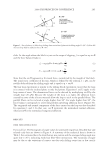
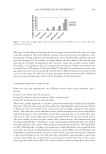
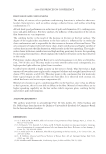
2008 TRI/PRINCETON CONFERENCE 167 MEASUREMENT ON BLOND HAIR Most of the panelist estimated the sample to have much more luster which corresponds to an increase clearly higher than 50% (Table III). Again the effect of the treatment is to superimpose shine and chroma band and to darken the wings of the specular distribution (Figure 16). Reich-Robbins and TRI formulae give respectively 80% and 44% increase of luster, which is respectively coherent and less than the visual change observed. Bossa Nova Technologies formula gives a 110% increase of luster which is also coherent with the visual change observed. On blond hair and very light hair, the wings of the specular light are negligible in front of the diffused light. So in the Bossa Nova Technologies formula, D+Sout can be approximated to D. In this case the Bossa Nova Technologies luster formula becomes equivalent to the Reich-Robbins for- mula (Equation 5). Sout D LBNT S D S S D Wvisual in out in + = ( )*Wvisual ~ * (5) Equation 5. On blond hair, Sout is negligible in front of D, so Bossa Nova Technologies formula can be simplifi ed to a Reich-Robbins formula. DYNAMIC RANGE AND SENSITIVITY By their defi nition, TRI, Reich Robbins and BNT luster formulae give a high luster value to dark samples. We compared the luster values given by the different formulae for the untreated black and blond hair samples (Table IV). While the Reich Robbins luster Table II Results of the Panelist Rating of Treated Versus Untreated Samples Same luster (less than 10% increase) Slightly more luster (less than 30% increase) More luster (about 50% increase) Much more luster (about or more than twice as much luster) Percentage of panelists 0% 12% 63% 25% Figure 15. On red hair the effect of the treatment is to superimpose shine and chroma bands and to darken the outside of the distribution. Visually the contrast is also strongly increased.
Purchased for the exclusive use of nofirst nolast (unknown)
From: SCC Media Library & Resource Center (library.scconline.org)