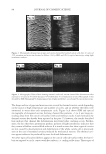
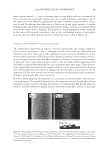
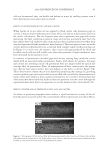
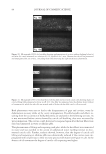
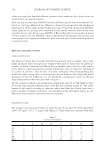
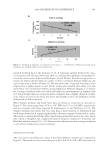
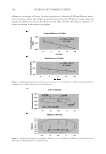
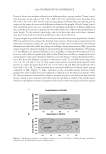
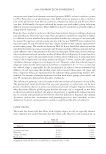
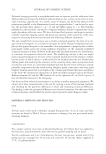
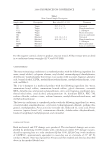
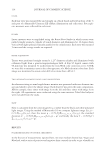
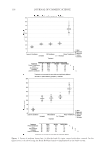
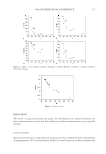
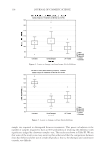
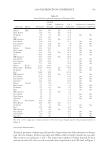
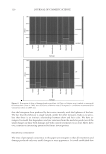
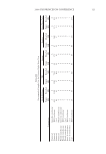
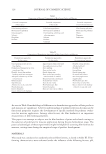
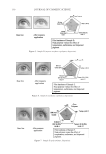
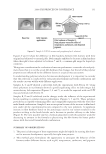
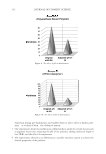
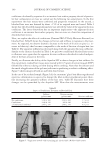
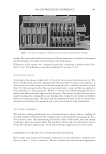
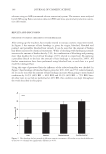
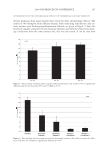
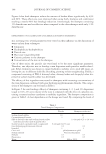
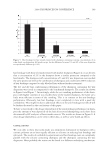
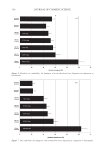
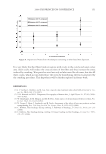
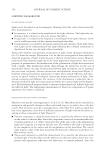
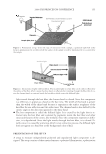
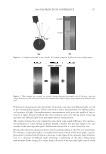
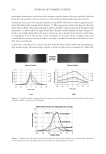
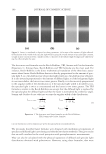
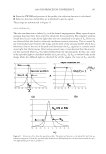
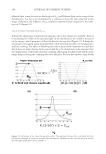
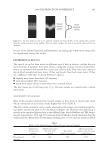
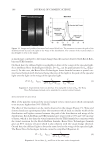
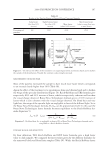
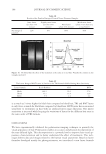
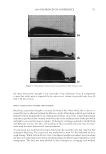
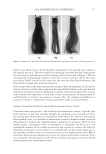
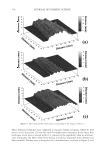
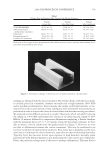
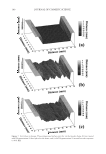
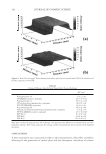
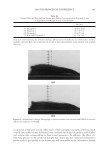
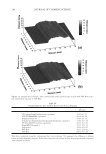
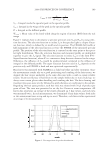
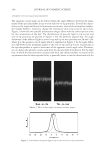
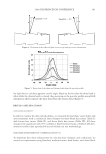
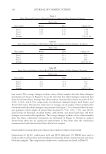
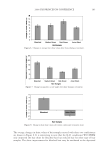
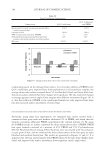
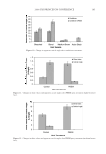
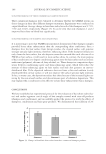
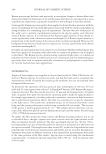
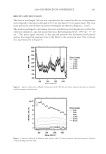
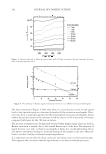
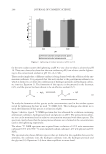
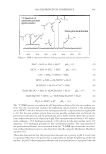
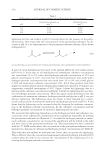
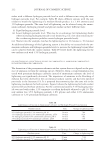
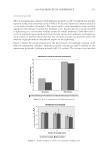
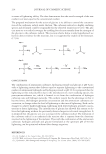
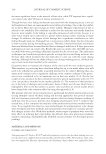
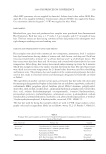
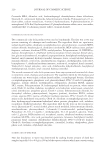
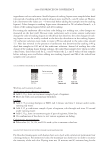
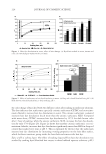
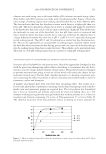
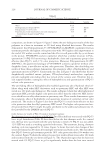
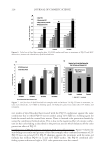
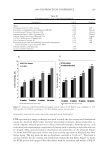
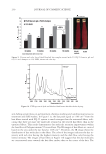
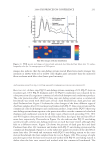
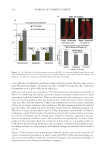
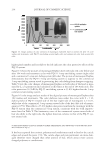
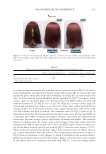
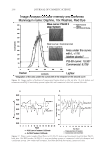
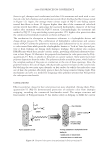
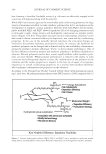
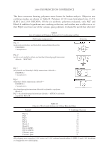
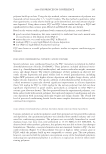
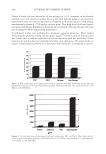
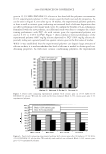
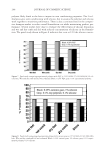
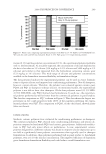
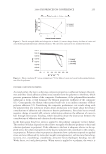
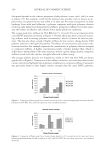
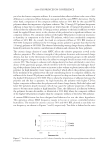
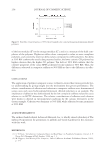
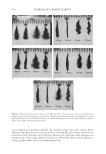
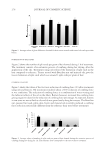
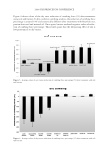
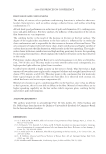
JOURNAL OF COSMETIC SCIENCE 168 is as much as 5 times higher for black hair compared to blond hair, TRI and BNT luster is only twice as much for black hair compared to blond hair. BNT Luster has an increased sensitivity to treatments on hair with no artifi cial luster range dilatation. The Luster sensitivity is increased while keeping the variations of luster for the different hair tress in the same order of TRI formula. CONCLUSIONS We have experimentally validated the polarization imaging technique to quantify the visual appearance of hair. Polarization enables an accurate and physical decomposition of the true diffused light. This decomposition is a powerful tool to improve hair visual ap- pearance characterization and to better understand the effect of treatments. This tech- nique delivers data and images related to the human visual assessment. Based on luster formulae developed mainly for photogoniometer, we introduced a new luster formula Figure 16. On blond hair the effect of the treatment is the same as on red hair. Visually the contrast is also strongly increased. Table IV The Luster Range of BNT Luster Is Similar to the TRI Formula While Having More Sensitivity Luster formula Reich-Robbins TRI BNT Black 169.2 25.0 27.6 Blond 31.1 11.8 12.8 Ratio 5.4 2.1 2.2 Table III Results of the Panelist Rating of Treated Versus Untreated Samples Same luster (less than 10% increase) Slightly more luster (less than 30% increase) More luster (about 50% increase) Much more luster (about or more than twice as much luster) Percentage of panelists 12% 0% 38% 50%

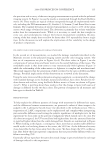
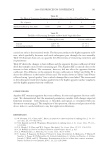
2008 TRI/PRINCETON CONFERENCE 169 adapted to the polarization analysis. This new formula is a modifi ed Reich-Robbins formula. It gives a high dynamic range and high sensitivity to small changes of luster. This new luster permits measurement of every type of hair. It gives improved results in terms of dynamic for dark hair and converges toward Reich-Robbins and TRI formulae for light hair. The combination of the polarization imaging technique and the new luster formula leads to a complete measurement of hair visual appearance. REFERENCES (1) R. Schueller and P. Romanowski, Evaluating shine on hair, Cosmet. Toiletr., 116(12), 47–52 (2001). (2) R. S. Hunter, Methods of determining gloss, J. Res. Natl. Bur. Stand., 18, 19–39 (1939). (3) C. Reich and C. R. Robbins, Light scattering and shine measurements of human hair: A sensitive probe of the hair surface, J. Soc. Cosmet. Chem., 44, 221–234 (1993). (4) H. Bustard and R. Smith, Investigation into the scattering of light by human hair, Applied Optics, 24(30), 3485–3491 (1991). (5) W. Czepluch, G. Hohm, and K. Tolkiehn, Gloss of hair surfaces: Problems of visual evaluation and pos- sibilities for goniophotometric measurements of treated strands, J. Soc. Cosmet. Chem., 44, 299–317 (1993). (6) F.-J. Wortmann, E. Schulze Zur Wiesche, and A. Bierbaum, Analyzing the laser-light refl ection from human hair fi bers. I. Light components underlying the goniophotometric curves and fi ber cuticle an- gles, J. Cosmet. Sci., 54, 301–316 (2003). (7) R. F. Stamm, M. L. Garcia, and J. J. Fuchs, The optical properties of human hair. I. Fundamental con- siderations and goniophotometer curves, J. Soc. Cosmet. Chem., 28, 571–600 (1977). (8) R. F. Stamm, M. K. Garcia, and J. J. Fuchs, The optical properties of human hair. II. The luster of hair fi bers, J. Soc. Cosmet. Chem., 28, 601–609 (1977). (9) A. Guiolet, J. C. Garson, and J. L. Levecque, Study of the optical properties of human hair, Int. J. Cosmet. Sci., 9, 111–124 (1987). (10) C. Edward, Polarized Light (Marcel Dekker, New York, 1993). (11) D. H. Goldstein, Polarized Light (Marcel Dekker, New York, 2003). (12) E. A. Chipman, “Polarimetry,” in Handbook of Optics, 2nd ed., M. Bass, Ed. (McGraw-Hill, New York, 1995), Ch. 2. (13) S. Breugnot, L. Le Hors, D. Dolfi , and P. Hartemann, Phenomenological model of paints for multispec- tral polarimetric imaging, AeroSense, Orlando (2001). (14) S. R. Marschner, H. W. Jensen, Mike Cammarano, S. Worley, and P. Hanrahan, Light scattering from human hair fi bers, Siggraph (2003). (15) K. Keis, K. R. Ramaprasad, and Y. K. Kamath, Studies of light scattering from ethnic hair fi bers, J. Cosmet. Sci., 55, 49–63 (2004). (16) P. Kaplan, K. Yang, K. Park, and R. Ramaprasad, Shine and color: Interplay of angle-dependent optical measurements and visual attributes with cosmetic treatment, Third Annual Conference on Applied Hair Science (2008). (17) K. Keis, K. R. Ramaprasad, and Y. K. Kamath, Effect of hair color on luster, Int. J. Cosmet. Sci., 27(1), 33–35 (2005).
Purchased for the exclusive use of nofirst nolast (unknown)
From: SCC Media Library & Resource Center (library.scconline.org)