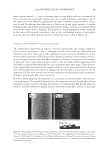
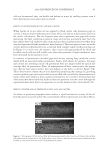
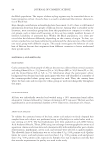
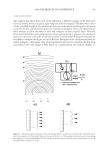
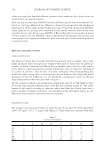
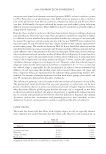
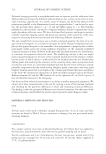
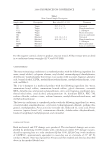
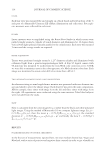
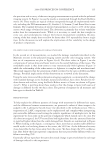
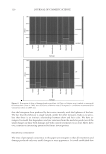
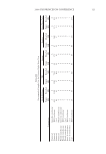
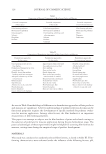
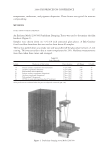
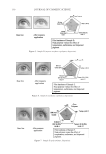
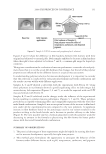
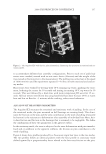
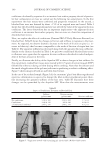
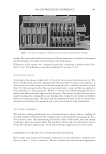
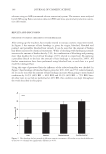
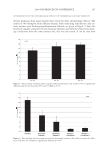
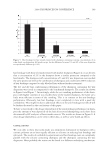
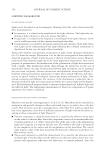
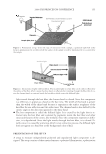
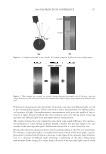
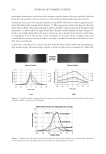
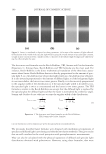
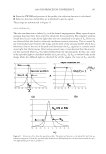
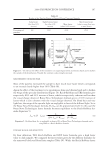
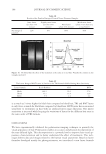
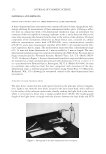
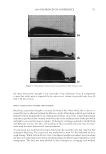
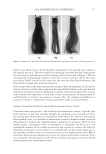
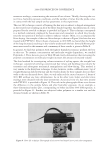
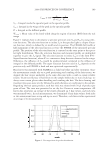
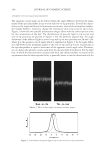
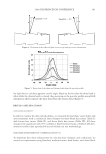
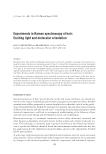
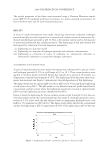
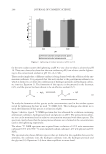
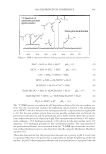
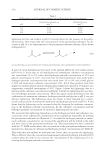
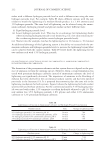
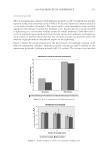
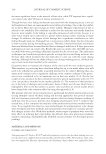
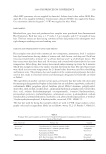
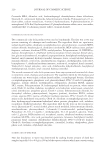
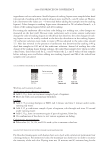
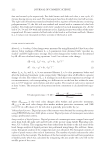
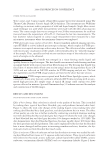
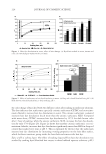
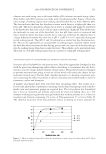
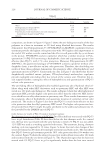
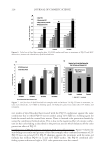
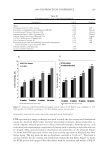
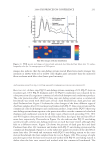
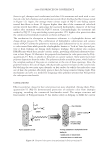
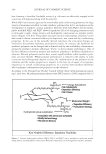
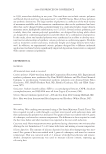
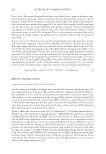
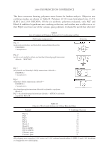
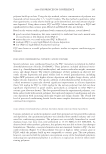
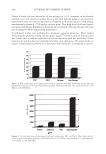
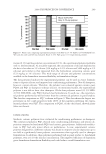
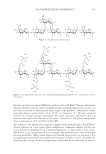
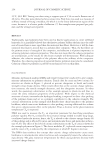
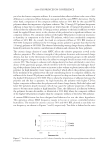
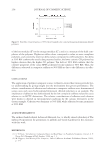
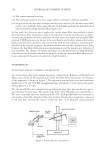
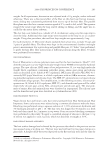
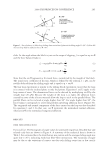
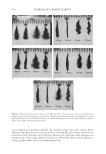
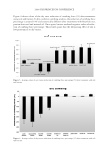
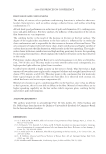
2008 TRI/PRINCETON CONFERENCE 175 the entire tresses were: straight–2.0 g, very curly–1.9 g, and frizzy–4.8 g. It is important to note that while mass is reported for the entire tress, volume is provided only for a 40 mm × 80 mm section. EFFECT OF BLEACHING ON FIBER ARRANGEMENT Bleaching is generally thought to increase the body of hair. Most likely, this is due to in- creased friction or adhesion between the fi bers as a result of bleaching in which spot welds are formed between multiple fi bers on a human head of hair. As a result, a three-dimensional structure is produced that contains voids of air due to the random nature of the spot welds and lends to an overall increase in volume. Utilizing the technique outlined in the Methods and Materials section, the effect of bleaching on fi ber assembly behavior may be moni- tored with the three-dimensional laser stereometer. A comparison was made between virgin dark brown hair and the same hair type that had undergone bleaching. The virgin hair was washed twice with 3% ALS followed by thor- ough rinsing. While still in the wet state, two fi ngers (middle and index) were run along the hair tress removing excess water and maintaining the fi bers bound together in a mat arrangement. The hair was then allowed to dry overnight on a hanging rack without Figure 2. Photograph of various hair tress geometries with numeric scale.

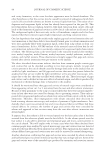
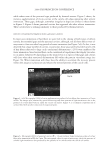
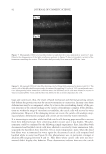
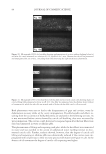
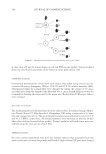
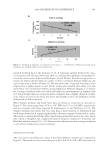
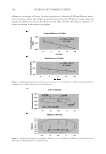
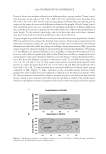
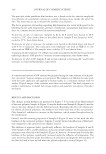
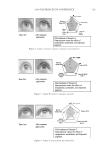
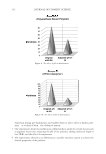
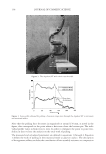
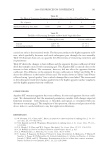
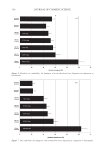
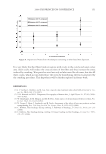
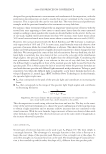
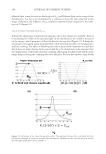
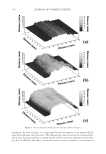
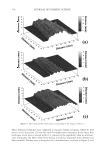
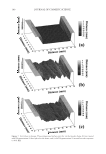
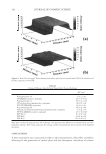
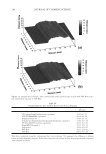
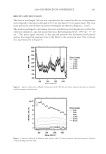
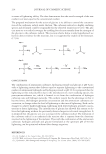
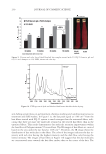
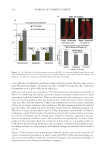
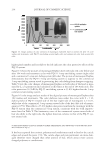
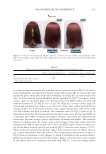
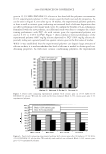
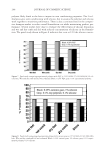
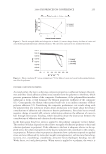
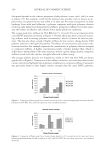
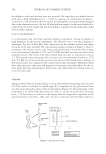
JOURNAL OF COSMETIC SCIENCE 176 disruption. As seen in Figure 4a, virgin dark brown hair appears in its normal (fl uffy) state after following this procedure. We followed the same procedure for bleached hair, which after drying resulted in a matted bundle of fi bers with less apparent volume (Fig- ure 4b). In addition, the effect of treatment with a cationic polymer is also shown in Figure 3. Three-dimensional surface plots of hair types shown in Figure 2.
Purchased for the exclusive use of nofirst nolast (unknown)
From: SCC Media Library & Resource Center (library.scconline.org)