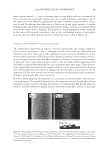
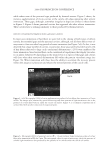
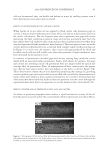
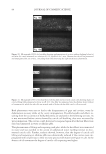
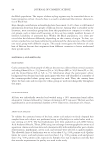
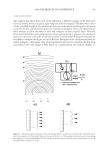
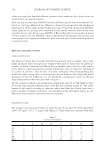
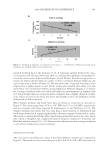
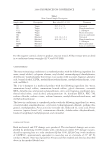
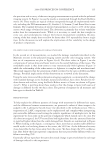
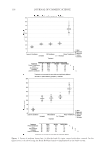
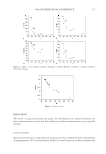
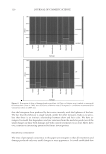
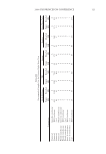
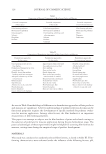
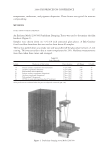
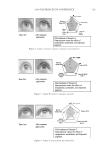
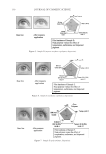
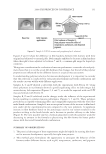
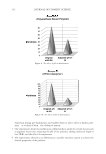
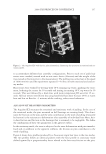
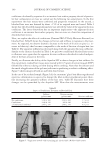
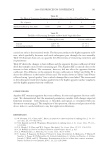
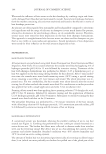
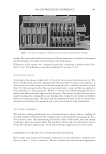
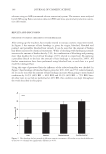
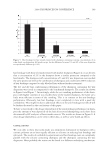
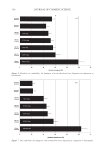
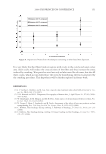
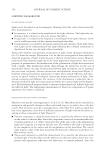
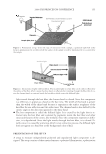
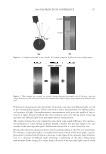
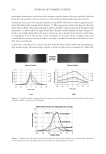
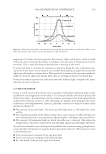
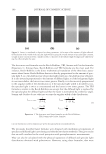
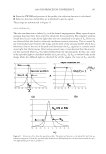
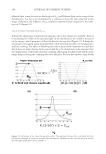
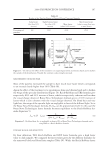
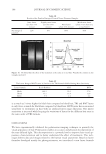
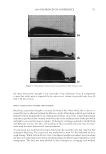
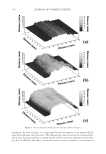
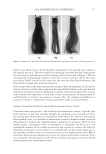
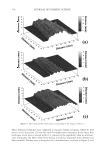
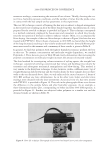
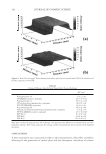
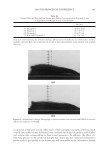
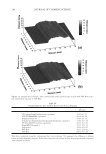
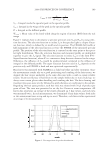
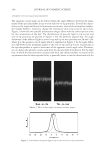
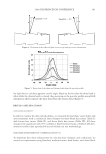
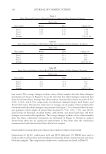
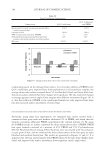
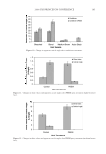
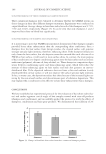
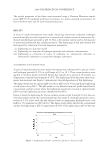
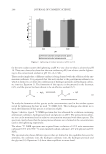
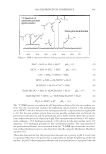
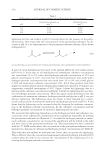
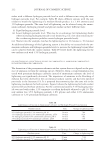
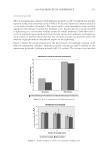
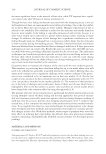
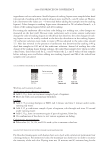
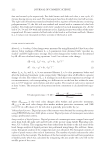
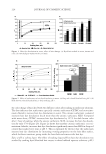
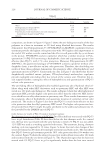
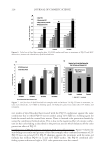
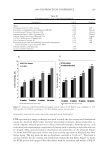
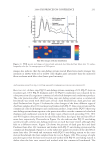
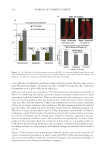
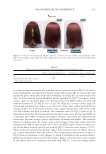
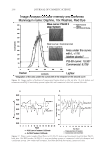
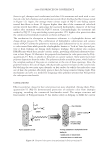
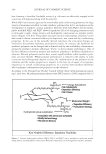
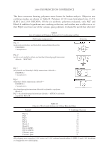
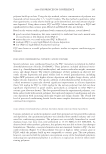
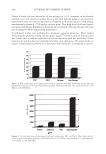
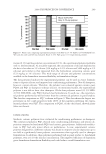
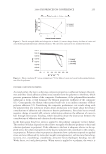
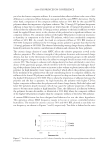
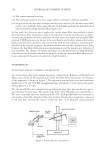
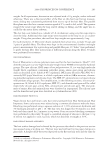
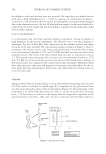
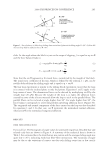
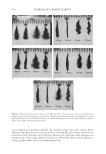
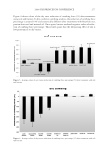
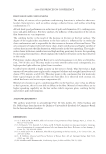
2008 TRI/PRINCETON CONFERENCE 177 Figure 4c in which case we observe the fi bers returning to a less matted state, similar to the original hair tress. This was verifi ed by performing scans with the three-dimensional laser stereometer and subsequent surface plotting, which is provided in Figure 5. We also calculated the corresponding volumes of each tress section scanned to obtain the values provided in Table I, which include virgin hair, the same hair after bleach treatment, and bleached hair treated with indicated ingredient. Each average value in the chart represents the average of three measurements. In all cases we observe a decrease in volume when comparing the virgin dark brown hair to the same hair that underwent the bleach treatment. Subsequent treatment of the bleached hair with a conven- tional commercial conditioner, or with some of the tested polymers (Polyquaternium-55 and Polyimide-1), results in an increase in volume. Thus, the visually perceptible loss or increase in volume is confi rmed by a formal quantitative analysis of hair geometry). METHODS TO INVESTIGATE THE VOLUME RETENTION OF HAIR STYLING AGENTS Consumers often seek products, which deliver and maintain hair volume. Typically, they build volume in a hair fi ber assembly through the combined action of treatment with a hair styling agent and mechanical manipulation of the fi bers. Once the three-dimensional fi ber assembly is set, it is desirable to maintain the created or formed volume. It may be often desired to monitor the volume-building capability of a treatment. However, this would require a mechanical robot or instrument to manipulate the fi bers in a very reproducible manner. In the studies presented in this section we examine the ability of treatments to maintain volume of hair. To accomplish this, we fi rst build volume in a fi - ber assembly, and then subject it to external stresses such as high humidity (90% RH) or small force deformations analogous to an action of a person touching his or her hair. Thus, we can provide a detailed analysis of the ability of various styling agents to retain volume under mechanical or environmental stress. Figure 4. Images of (a) dark and (b) bleached hair. Bleached hair was then treated with (c) Polyquaternium-55.

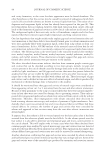
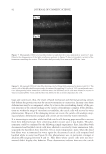
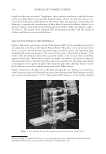
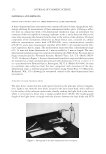
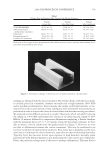
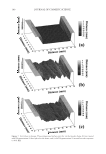
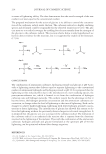
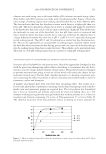
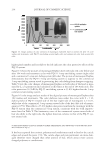
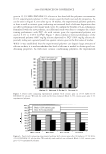
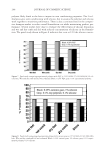
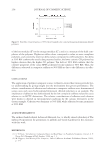
JOURNAL OF COSMETIC SCIENCE 178 Three different techniques were employed to measure volume retention, which we will refer to as (1) frizzy hair, (2) root-lift, and (3) straight hair techniques. In the frizzy hair technique, a hair tress is treated with a 1% solution of the ingredient then we mechani- cally mainpulate the fi bers while blow-drying to build an expanded three-dimensional fi ber assembly. The hair tress is then placed in a wooden frame, as shown in Figure 6, and Figure 5. Three-dimensional surface plots corresponding to the images in Figure 4.
Purchased for the exclusive use of nofirst nolast (unknown)
From: SCC Media Library & Resource Center (library.scconline.org)