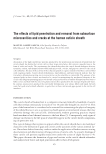
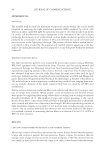
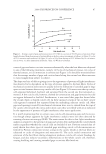
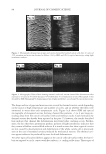
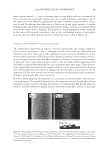
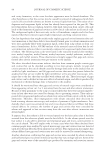
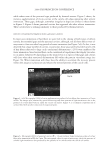
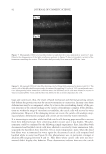
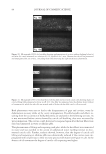
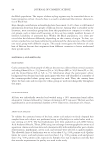
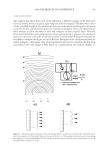
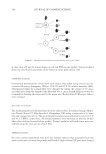
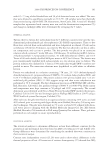
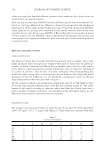
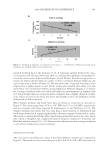
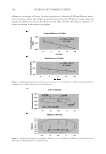
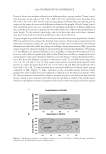
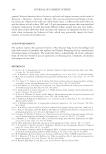
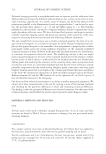
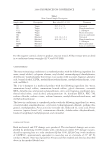
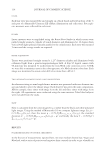
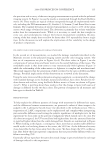
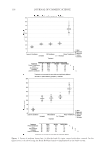
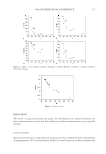
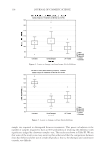
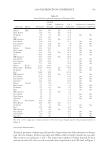
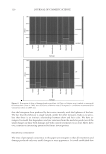
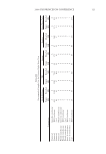
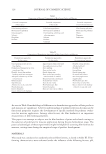
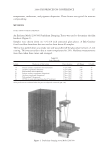
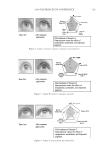
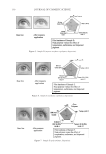
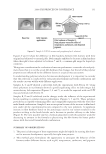
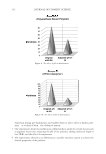
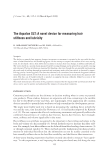
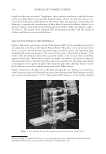
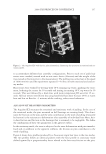
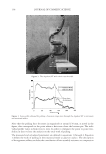
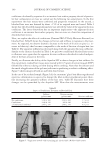
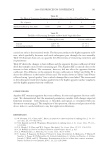
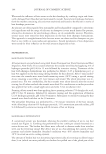
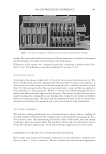
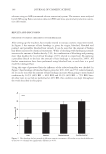
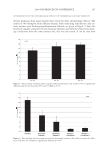
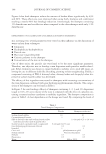
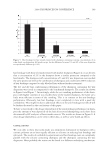
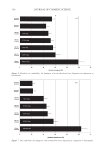
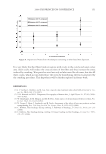
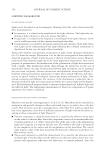
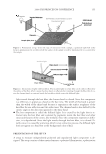
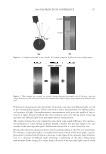
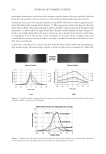
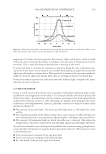
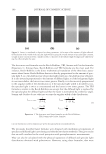
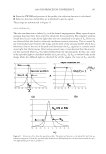
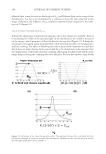
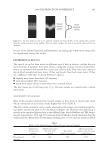
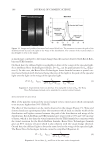
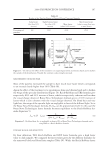
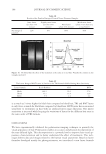
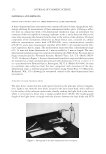
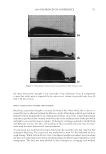
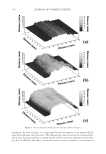
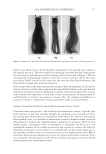
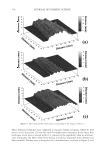
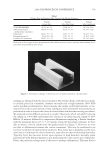
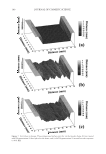
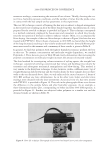
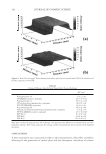
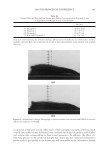
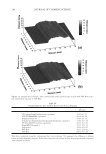
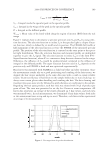
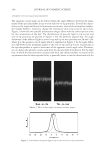
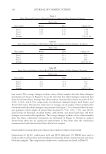
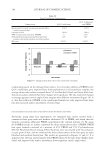
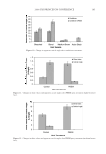
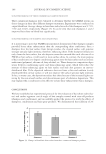
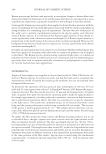
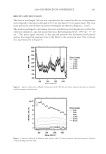
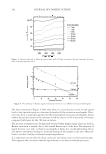
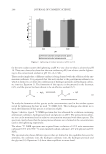
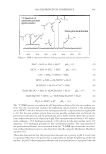
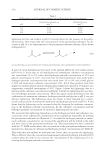
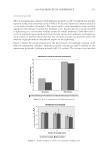
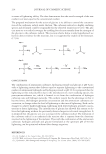
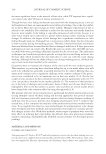
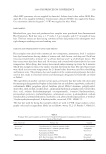
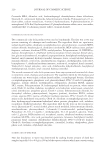
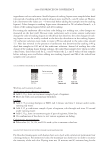
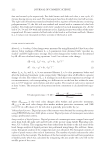
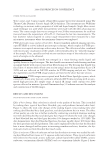
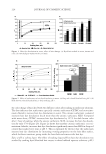
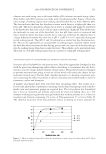
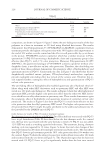
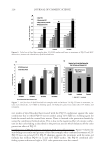
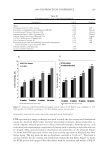
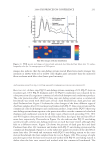
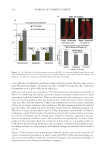
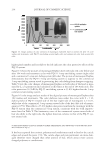
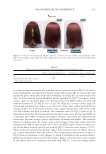
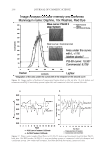
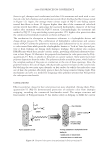
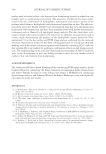
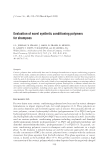
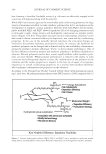
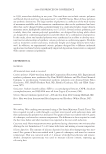
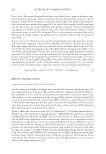
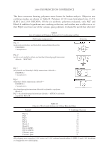
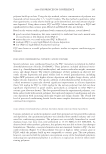
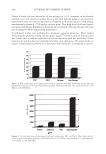
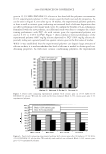
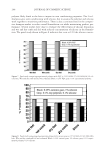
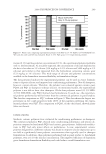
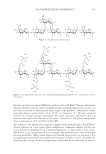
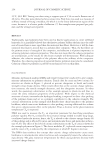
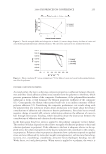
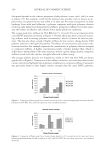
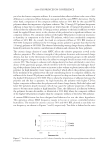
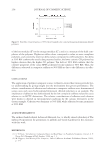
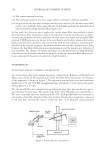
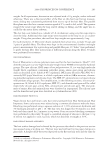
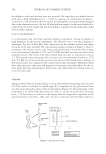
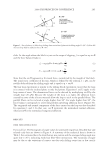
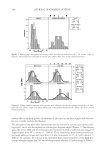
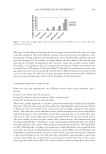
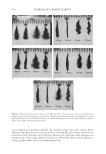
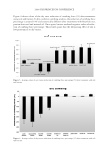
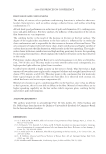
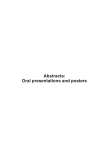
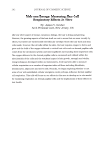
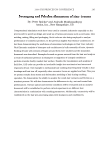
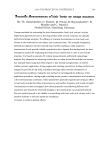
2008 TRI/PRINCETON CONFERENCE 179 readings are obtained with the laser stereometer. The wooden frame, with the tress inside, is carefully placed in a humidity chamber and subjected to high humidity (90% RH) and/or mechanical deformation. After stressing the sample (with high humidity or me- chanical forces) for a given period of time subsequent laser stereometer measurements are performed in order to acquire the values of volume before and after the stressing procedures. We explored several different protocols to conduct these tests, which included (1) placing the sample in a 90% RH environment for 4 hours or (2) subjecting the sample to 90% RH for 30 minutes followed by compression deformation employing a Texture Analyzer with the maximum forces of 3, 5, 7, or 9 grams. Using the frizzy hair technique, we were able to observe a loss in volume after the applied stress (see Figure 7). However, we were not able to differentiate between the various treatments. This may be attributed to an excessive variability of experimental conditions. First, frizzy hair is probably not the most ideal choice of substrate for a hair volume test, especially one that involves high humidity. Typically, frizzy hair becomes frizzier upon exposure to high humidity. Secondly, probe penetration by the Texture Analyzer is not always limited to the contact area of the probe. Often, the probe forces large areas of the tress to undergo deformation. This may lead to Figure 6. Frizzy hair technique. A frizzy hair tress is shown situated in a wooden frame. Table I Volume Data for Bleached Hair Treated with Various Polymers Volume (virgin hair) Volume (after bleaching) Volume (after treatment) VCL/VP/DMAEMA 83.35 ± 1.55 35.98 ± 6.17 28.15 ± 5.18 VP/acrylates/lauryl 100.34 ± 17.07 42.16 ± 1.45 45.45 ± 7.69 methacrylate copolymer Polyimide-1 100.47 ± 12.31 19.53 ± 2.25 38.93 ± 3.16 Polyquaternium-55 99.18 ± 12.48 21.07 ± 3.73 41.84 ± 11.64 Commercial conditioner 100.47 ± 12.31 23.06 ± 0.54 85.14 ± 6.68 Each value is the average of three measurements (three different tresses) and is reported with standard devia- tion. Data are provided in units of cm3.

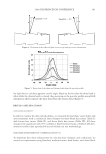
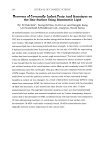
JOURNAL OF COSMETIC SCIENCE 180 Figure 7. Frizzy hair technique. Three-dimensional surface plots for: (a) the wooden frame, (b) hair treated with Polyquaternium-55 then placed in the frame, and (c) the Polyquaternium-55 treated hair after exposure to 90% RH.
Purchased for the exclusive use of nofirst nolast (unknown)
From: SCC Media Library & Resource Center (library.scconline.org)