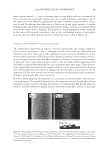
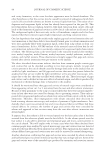
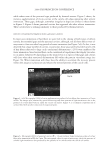
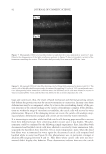
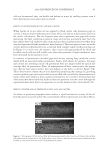
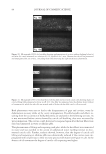
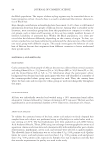
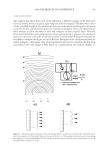
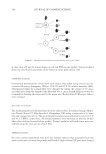
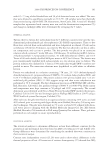
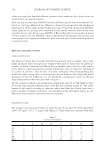
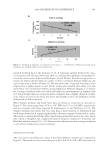
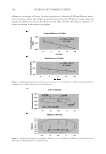
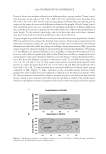
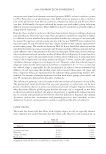
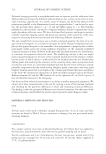
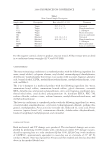
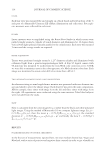
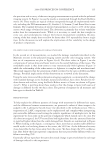
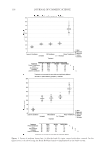
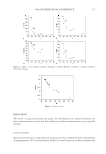
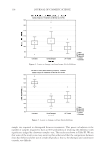
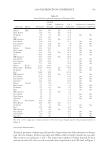
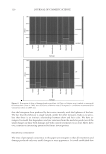
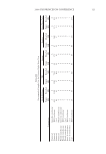
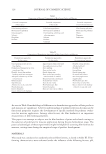
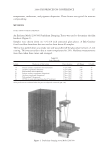
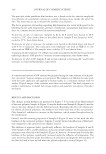
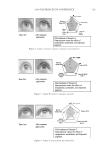
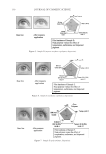
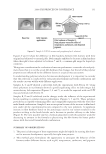
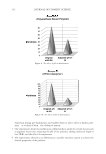
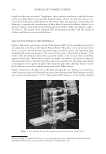
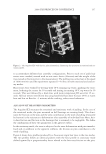
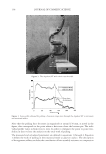
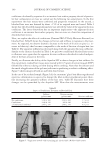
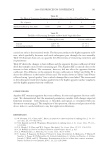
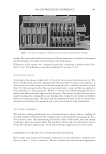
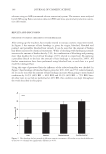
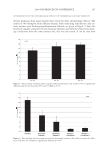
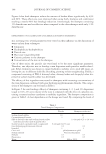
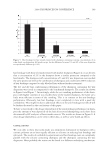
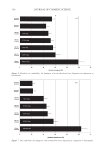
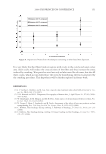
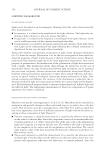
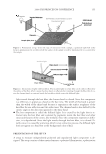
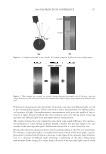
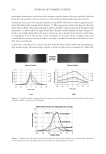
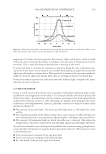
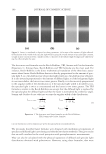
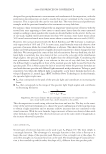
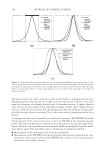
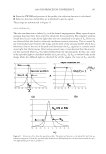
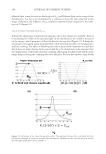
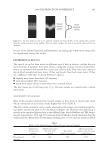
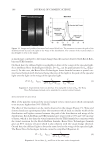
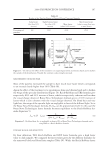
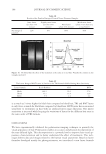
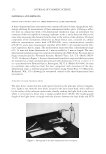
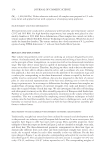
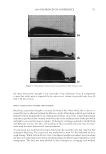
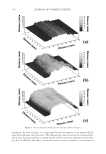
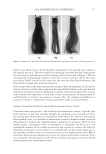
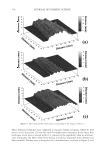
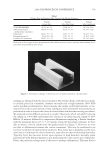
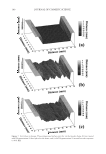
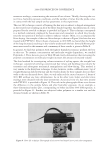
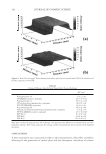
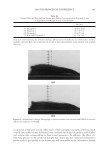
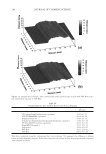
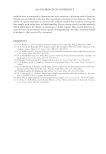
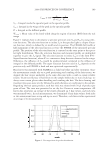
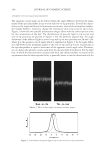
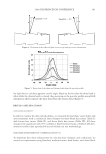
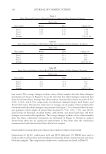
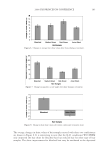
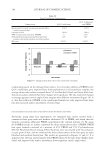
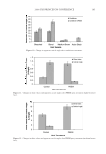
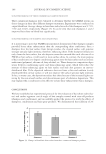
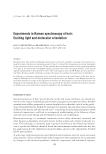
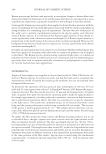
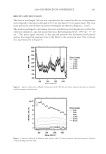
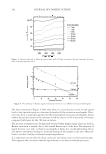
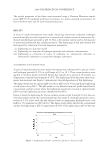
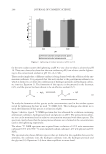
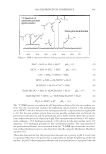
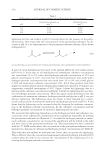
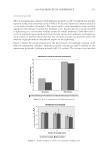
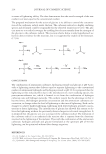
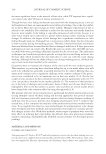
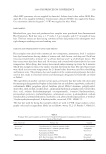
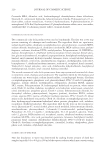
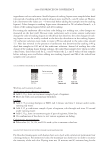
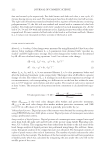
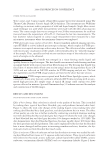
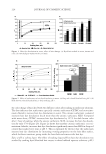
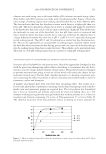
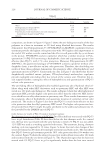
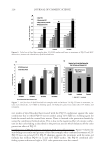
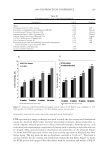
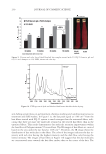
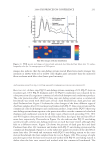
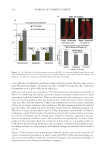
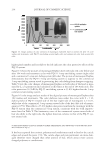
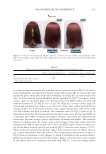
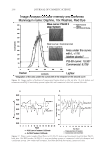
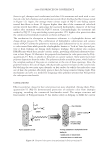
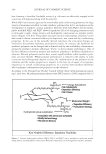
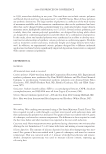
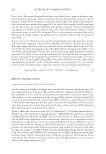
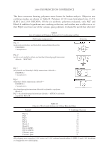
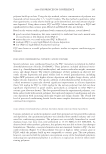
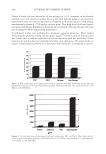
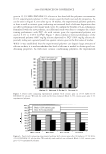
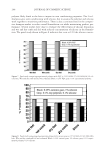
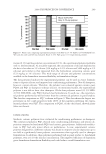
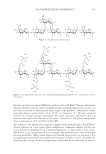
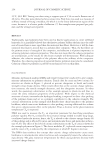
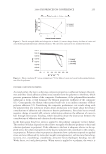
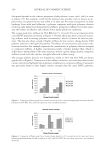
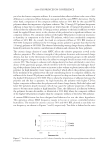
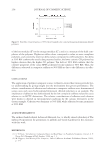
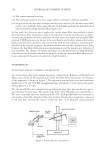
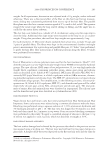
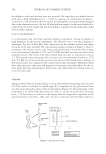
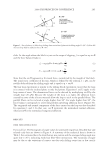
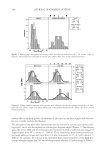
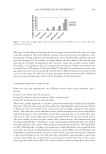
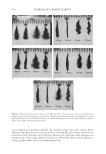
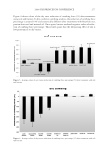
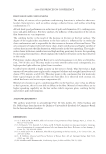
2008 TRI/PRINCETON CONFERENCE 181 erroneous readings, overestimating the amount of lost volume. Thirdly, choosing the cor- rect force, humidity exposure conditions, and the number of times that the probe comes in contact with the hair sample are key parameters in this experiment. The root-lift technique consists of forming the hair into an almost u-shaped arrangement in the treated state resulting in all of the fi bers bonded together. An illustration of a tress prepared for the root-lift technique is provided in Figure 8. This technique corresponds to a method commonly employed by beauticians and consumers in which they heavily treat the root portion of the hair in order to enhance volume. Often, it is accompanied by blow-drying. An example of the root-lift technique is shown in Figure 9 for hair that was treated with PVP K30. After 4 hours of exposure to 90% RH, we found that the height of the loop decreased, resulting in less volume underneath the hair. Several different poly- mers were tested in this manner and a summary of these results is given in Table II. In general, we fi nd that polymers with the highest humidity resistance perform the best in this test. To examine concentration and molecular weight dependence, we studied Polyimide-1. These data are given in Table III and clearly demonstrate that increasing the polymer concentration or molecular weight increases the amount of retained volume. The third method for investigating volume retention of styling agents, the straight hair technique, consisted of utilizing conventional hair tresses and building tress volume by treatment and subsequent mechanical manipulation and blow-drying. This method is very similar to the frizzy hair technique. It does, however, utilize a different mass (4 g) of straight European dark brown hair and the wooden frame for these samples does not have walls as the one discussed above. Also, we only subjected the treated tresses to 2 hours of 90% RH without any force deformations. As in the other tests, before and after stress readings were obtained with the laser stereometer. A pictorial view of a hair tress treated with PVP K15 is provided in Figure 10. The scale in the photograph allows us to discern the difference in the sample before and after humidity exposure. As an example, a three-dimensional surface plot, corresponding to before and after 90% RH exposure, is provided in Figure 11. Further, we subjected other polymers to a similar test and the obtained results are shown in Table IV. Figure 8. Root-lift technique. Photograph of hair treated and shaped into a particular arrangement.

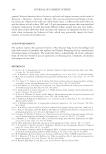
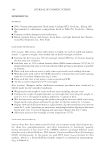
JOURNAL OF COSMETIC SCIENCE 182 CONCLUSIONS A laser stereometer was constructed in order to take measurements of hair fi ber assemblies allowing for the generation of surface plots and the subsequent calculation of volume Figure 9. Root-lift technique. Three-dimensional surface plots for hair treated with PVP K30 (a) before and (b) after exposure to 90% RH. Table II Volume Difference Data for Hair Treated with Various Polymers ΔV (cm3) Polyquaternium-55 1.07 ± 9.03 VP/DMAPA acrylates copolymer 42.57 ± 39.55 Polyquaternium-11 69.94 ± 22.90 VP/acrylates/lauryl methacrylate copolymer 16.93 ± 3.18 VCL/VP/DMAEMA copolymer 26.00 ± 6.02 Polyquaternium-69 46.93 ± 9.94 Isobutylene/ethylmaleimide/hydroxyethylmaleimide copolymer 3.93 ± 2.20 VP/VCL/DMAPA acrylates copolymer 25.57 ± 10.49 PVP K120 87.40 ± 5.09 PVP K90 92.81 ± 8.30 PVP K30 104.26 ± 16.9 Tests were conducted using the root-lift technique. ΔV represents the difference in volume before and after humi dity exposure. Each value represents the average of three measurements and is reported with standard deviation.
Purchased for the exclusive use of nofirst nolast (unknown)
From: SCC Media Library & Resource Center (library.scconline.org)