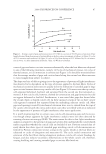
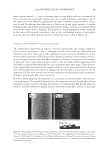
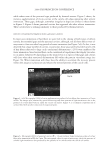
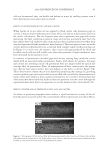
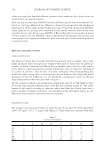
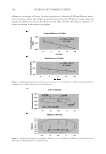
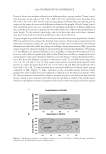
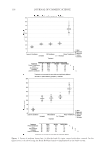
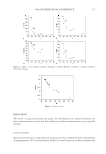
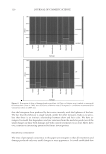
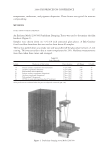
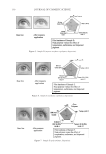
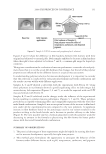
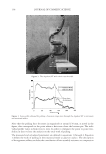
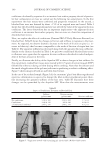
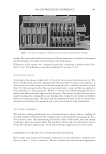
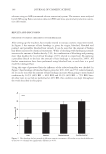
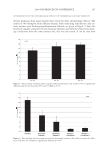
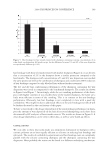
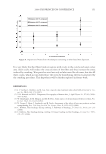
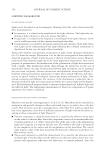
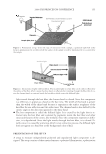
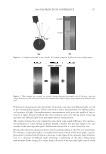
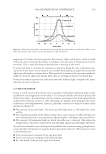
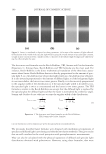
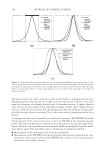
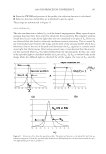
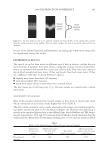
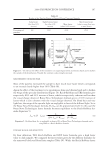
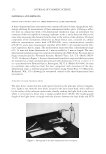
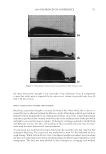
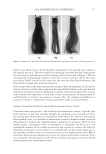
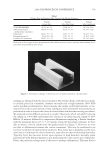
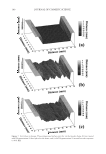
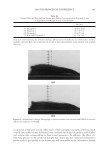
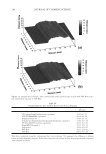
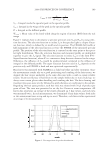
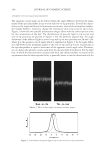
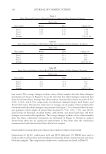
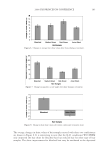
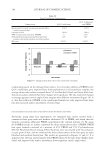
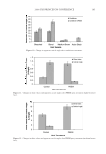
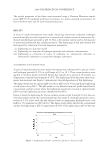
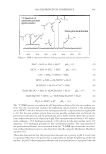
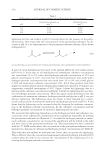
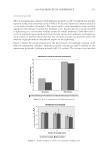
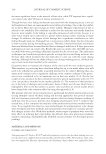
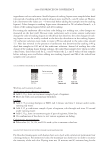
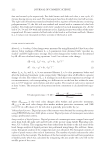
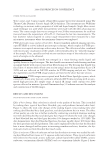
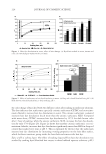
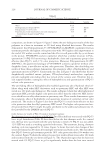
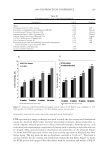
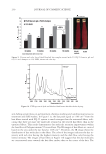
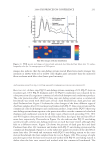
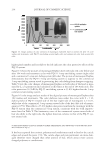
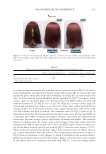
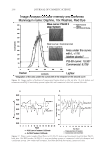
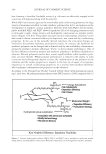
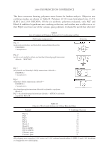
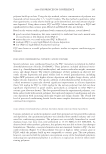
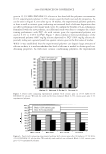
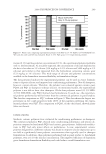
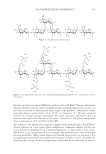
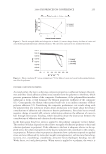
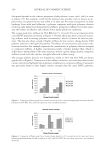
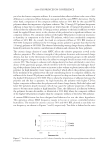
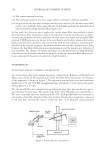
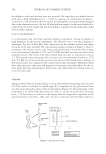
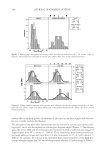
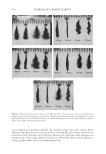
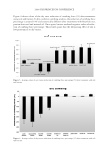
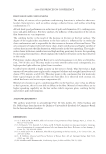
2008 TRI/PRINCETON CONFERENCE 183 occupied by a hair tress section. Three types of hair (straight, very curly, and frizzy) with visually noticeable volume differences were analyzed and found to produce surface plots and volume data corresponding to their visual appearance. In addition, the effect of a bleaching process on the volume of straight hair tresses was also examined and found to produce effects perceptible to the human eye and measurable by the instrument. Several Figure 10. Straight hair technique. Photograph of conventional hair tresses treated with PVP K30 (a) before and (b) after exposure to 90% RH. Table III Volume Difference Data for Hair Treated with Various Concentrations of Polyimide-1 and a High-Molecular-Weight Version of the Polymer ΔV (cm3) 1% Polyimide-1 79.08 ± 10.92 2% Polyimide-1 29.03 ± 7.44 4% Polyimide-1 10.80 ± 5.36 1% High MW Polyimide-1 50.14 ± 7.94 Tests were conducted using the root-lift technique. ΔV represents the difference in volume before and after humidity exposure. Each value represents the average of three measurements and is reported with standard deviation.

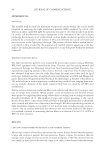
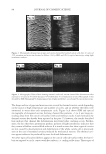
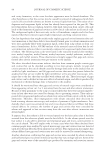
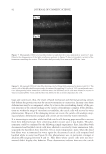
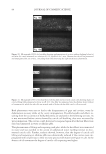
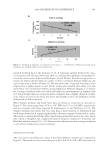
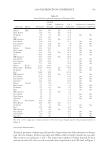
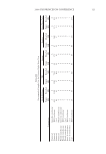
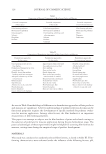
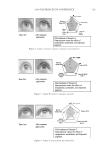
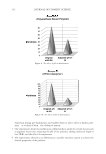
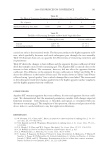
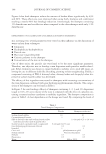
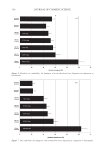
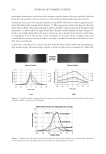
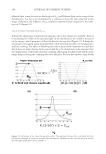
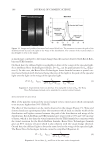
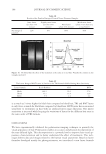
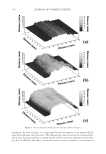
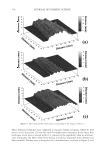
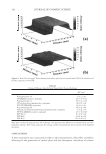
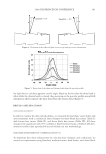
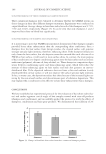
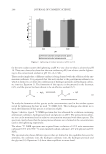
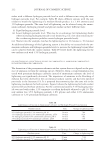
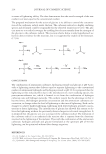
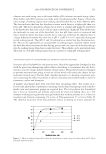
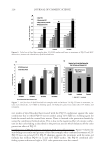
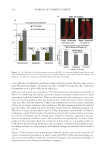
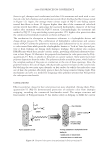
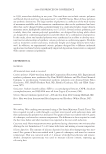
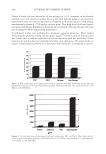
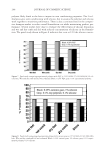
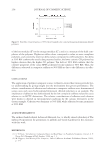
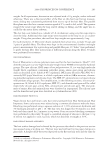
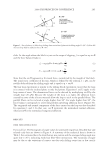
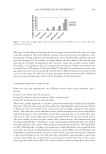
JOURNAL OF COSMETIC SCIENCE 184 Table IV Volume Difference Data for Hair Treated with Various Polymers ΔV (cm3) VP/acrylates/lauryl methacrylate copolymer 22.67 ± 3.52 VCL/VP/DMAEMA copolymer 40.10 ± 6.36 Polyquaternium-69 25.07 ± 5.72 Isobutylene/ethylmaleimide/hydroxyethylmalemide copolymer 33.67 ± 17.36 VP/VCL/DMAPA acrylates copolymer 40.33 ± 16.30 High MW Polyimide-1 22.37 ± 13.54 Polyimide-1 56.93 ± 16.62 PVP K90 81.17 ± 16.60 PVP K30 154.30 ± 12.38 Figure 11. Straight hair technique. Three-dimensional surface plots for hair treated with PVP K30 (a) be- fore and (b) after exposure to 90% RH. Tests were conducted using the conventional hair tress technique. ΔV represents the difference in volume before and after humidity exposure. Each value represents the average of three measurements and is reported with standard deviation.
Purchased for the exclusive use of nofirst nolast (unknown)
From: SCC Media Library & Resource Center (library.scconline.org)