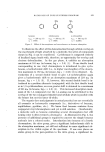
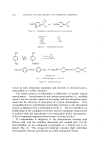
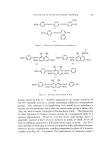
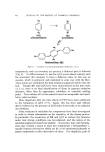
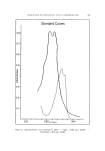
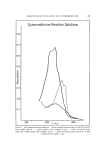
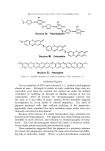
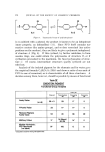
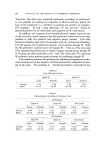
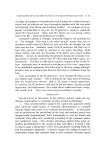
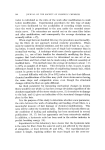
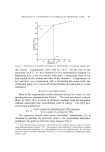
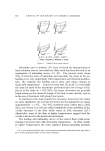
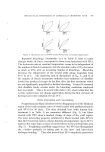
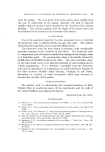
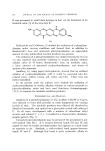
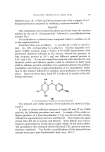
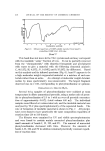
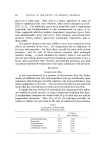
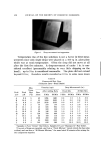
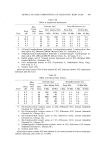
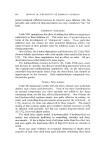
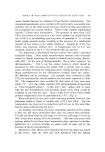
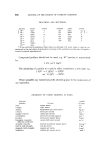
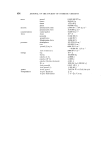
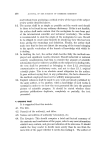
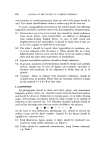
REACTIONS OF OXIDATION DYE INTERMEDIATES OH 375 Structure C: Polyoxazine Figure d. Possible structures of oxidation pigment, PPD: resorcinol, 1:1 Oxidation Pigment The co-oxidation of PPD and resorcinol, 1: 1, yielded a final pigment almost at once. Attempts to isolate an early oxidation stage were un- successful, even when the reaction was carried out under the mildest conditions by bubbling air through an alkaline solution of the two components. After 30 seconds, the chromatographic pattern was the same as it was after 72 hours, namely, brown immobile pigment accompanied by seven bands of colored impurities. The yield of pigment increased with time without build-up of the impurities apparently these contained the early oxidation stages which were con- tinuously converted to the pigment. Because of the absence of a stable intermediate stage, attention was focused on the final pigment. The pigment was a high-melting material, insoluble in most solvents, and resistant to chromatographic develop- ment. The best chromatogram showed six bands of identical yellow- brown shade, poorly separated, just beyond the origin. These properties suggested that the pigment is a polymeric mixture of at least six components, all having the same unit structure but differ- ing only in molecular weight. When a p-phenylenediamine compound

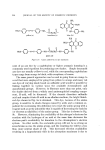
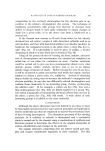
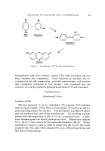
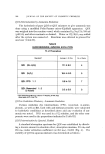
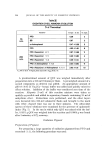
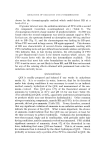
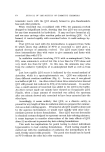
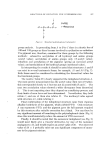
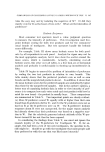
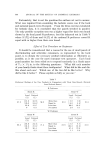
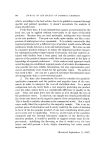
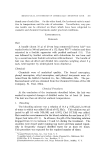
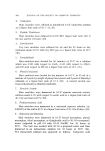
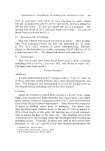
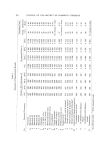
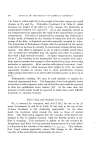
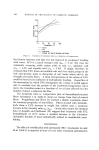
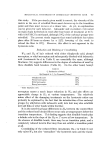
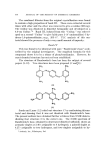
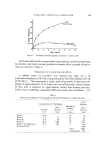
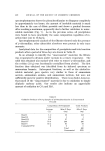
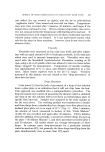
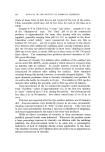
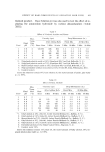
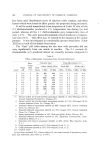
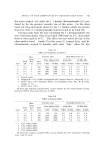
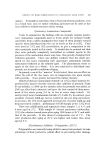
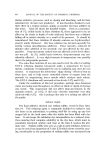
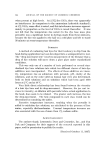
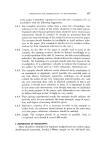
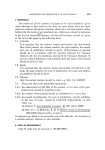
376 JOURNAL OF THE SOCIETY OF COSMETIC CHEMISTS Figure 7. Tautomeric forms of polyindophenol is co-oxidized with a phenol, the product is known to be an indophenol (more properly, an indoaniline) (11). Since PPD itself contains two reactive centers (the amino groups), and so does resorcinol (two active positions on the nucleus), they are likely to give a polymeric indophenol, of structure _4 (Fig. 6). If this cyclized, by further oxidation, to form oxazine rings, one could obtain the polyoxazine of structure B, or if cyclization proceeded to the maximum, the fused polyoxazine of struc- ture C. Of course, intermediate structures (partly cyclized) are not ruled out. Analysis of the isolated pigment for the elements and for water gave the empirical formula C•2HsN202-2H20 and shows a ratio of one mole of PPD to one of resorcinol, as is characteristic of all these structures. A decision among them, however, should be possible by means of functional Table •7' OXIDATION PIGMENT Functional Group Analysis Theo• for Observed Polyindophenol Polyoxazine Polyoxazine (A) (B) (C) Acetyl Value (n=6) 29 + 3 29 17 0 N-Acetyl Value 23 17' 17' 0 Reduced Pigment, Acetyl Value 53 45 38 29 Methoxyl Value 17 14 (Mono) 14' 0 26 (Di) Alkaline Hydrolysis: PPD Recovered 97 100 0 0 (vs. blank) 'Computed for tautomer which gives highest value.
Purchased for the exclusive use of nofirst nolast (unknown)
From: SCC Media Library & Resource Center (library.scconline.org)