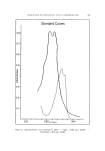
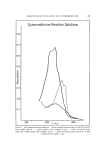
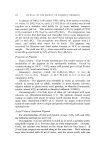
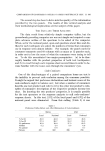
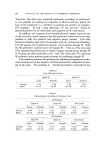
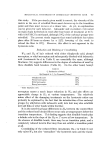
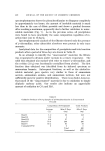
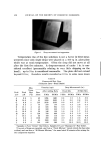
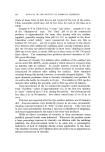
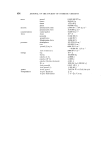
424 JOURNAL OF THE SOCIETY OF COSMETIC CHEMISTS glycol in a solid soap. Oleic acid is a major ingredient in many of today's commercial dye base solutions, often used in amounts up to 30- 35% (2, 3). The alkalizing agent most frequently used is ammonium hydroxide, but triethanolamine is also recommended by some (4, 5). Other suggested additives include isopropanol, propylene glycol, fatty acid alkanolamides, fatty acid esters, fatty alcohols, ethoxylated fatty alcohols, tertiary amines, quaternary ammonium compounds, and so- dium sulfite. Ten general classes of dye base additives have been studied for their effects on viscosity of the base for temperature rise on admixture of the base with peroxide for their effects on pH for color yield on hair swatches and for each of these factors repeated after prolonged stability testing. A black oxidation dye fusion (Table I) was used for all tests since black shades require the maximum concentration of dye, a factor often associated with viscosity and shelf-life problems, and with occasional undesirable temperature rises upon admixture with peroxide. METHODS Temperature Rise It has been observed in a number of laboratories that the darker shades of oxidation hair dyes will sometimes heat up considerably upon admixture with hydrogen peroxide solutions, the usual preliminary step before application to the hair. The fact that this effect is not universal shows that dye concentration is only one of several factors involved. A simple test was devised for measuring this temperature-rise effect, one related to actual practice in using commercial oxidation hair dyes. A standardized container was loaded with 50 g of black hair dye and its temperature measured. Then 50 g of 20 vol hydrogen peroxide (or whatever oxidizer was provided in the case of commercial preparations) Table I Composition of Fusion 4245 (Black Shade Oxidation Dye) G/100 cc % Base Solution p-Phenylenediamine 70.0 1.40 Resorcinol 10.0 0.20 Pyrogallic acid 4.0 0.08 o-Aminophenol 10.0 0.20 2,4-Diamino anisole 6.0 0.12 100.0 2.00

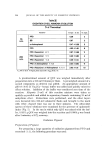
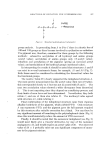
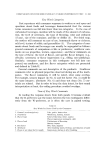
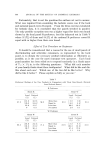
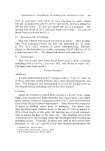
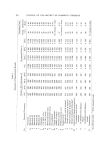
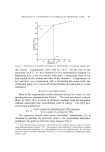
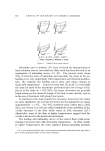
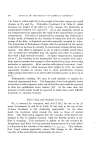
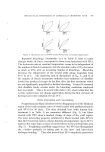
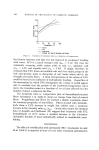
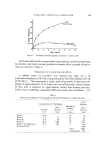
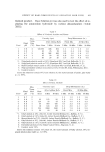
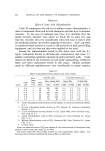
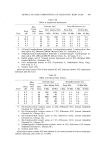
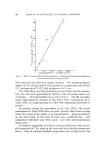
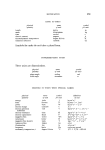
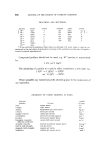
EFFECT OF BASE COMPONENTS ON OXIDATION HAIR DYES 42,5 was added, the cap screwed on tightly, and the jar or polyethylene "applicator bottle" then turned end-over-end ten times. Temperature rises were then recorded after 5 minutes, 30 minutes, and longer if the temperature continued to rise. Where extreme temperature rises occur, it is not unusual to find the temperature still climbing after one hour. It is postulated that such temperature rises are due to exothermic reactions wherein amine oxides are formed. It is not understood exactly what role the dye plays in these reactions however, they do not occur in the absence of dye. Viscosity Viscosities were measured on the color base itself, and after admix- ture with an equal amount of 20 vol hydrogen peroxide, in the same jars which were used to measure temperature rise. Viscosities were mea- sured with the Brookfield Synchroelectric Viscometer rotating at 30 rpm, using a •2 or •3 spindle which was allowed to turn ten times before being "stopped" for measurement. Temperature of viscosity readings was approximately 25 øC to start, and climbed considerably in a few cases. Most results reported were in the 23-7 øC range. Viscosity measured in this manner was not related to the "drop-movement" of these hair dye bases. Drop-Movement Cook noted (6) that the lack of movement of a drop of dye solution down a glass plate is an indication that it will not drip from the hair. This approach was modified into a semiquantitative procedure. The drop-movement test consists of measuring the distance which a standard size drop of the dye solution will travel down an inclined glass plate in specific time intervals. Samples were prepared in the same manner as for the tests above. The resulting product was transferred to a beaker and three drops from a standardized eye dropper were then placed on an inclined glass plate set at an angle of 67.5 ø (Fig. 1). After 5 minutes, the amount of travel (measured in inches) of this "Fresh Mixture" (Table II) was recorded, and again after 30 minutes. Thirty minutes after the addition of the peroxide, a second set of three drops was put on the plate ("30 Minute Mixture"), and their movement recorded after 5 and 30 minutes. All results shown are average movements of three drops. In extreme cases, drop-movements for a particular solution varied as much as 50%, but generally the three drops travelling down the plate simultaneously were no more than 10% apart.
Purchased for the exclusive use of nofirst nolast (unknown)
From: SCC Media Library & Resource Center (library.scconline.org)