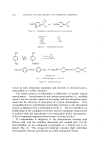
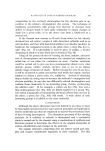
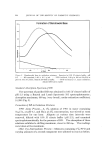
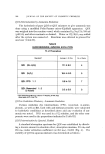
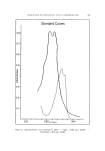
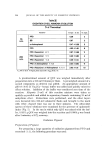
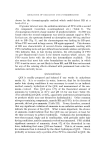
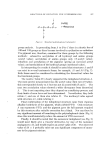
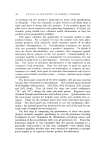
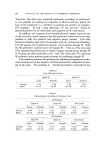
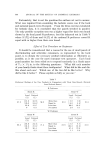
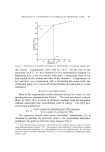
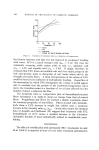
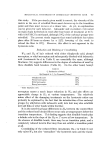
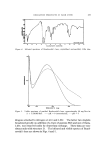
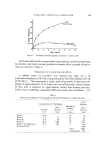
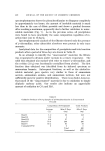
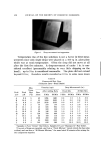
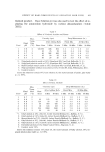
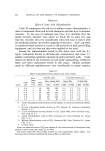
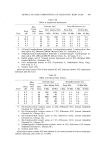
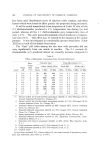
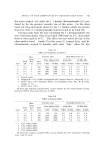
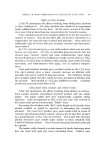
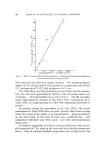
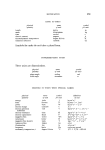
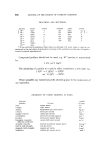
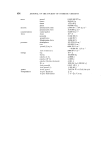
442 JOURNAL OF THE SOCIETY OF COSMETIC CHEMISTS Figure 2. Effect of concentration of diethanolamine in oxidation hair dye base on temperature rise on mixing with hydrogen peroxide DEA than for the other two amines checked. The monoisopropanol- amine (at 7%, giving a pH of 10.2) produced a temperature rise of only 3 øC, whereas use of 7.5% DEA produced a 19 øC rise. The DEA effect was then checked in greater detail, and the tempera- ture rise increased approximately linearly with increasing amine con- centration. This relationship can be seen in Fig. 2. The pH was main- tained approximately constant in this latter series (experiments #5-8, Table XIII) by supplementing the DEA with ammonium hydroxide as needed. In general (except for experiment #2 at 18% DEA), the results summarized in Table XIII show no great viscosity effect from varying either the nature of the amine, or its concentration. Drop-movements, on the other hand, at all levels of DEA were excellently low with ammonium hydroxide and TEA, good and with monoisopropanol- amine, poor. It would be impossible to achieve necessary pH levels with reason- able quantities of TEA alone in the oleic acid/oleyl alcohol system used above. Since it produced definite temperature rise at high levels, this

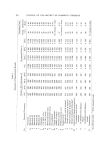
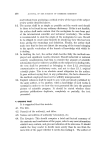
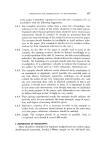
EFFECT OF BASE COMPONENTS ON OXIDATION HAIR DYES amine should therefore be eliminated from further consideration. The monoisopropanolamine gave excellent pH control and a reasonable tem- perature rise on the other hand, but poor control of drop-movement in the particular base system studied. These results confirm unpublished reports (7) from other laboratories. The presence of more than 2.5% DEA (the lowest level tested) in a dye base solution can result from the use of DEA as an alkalizing agent in place of ammonia (4, 5), or from faulty amide manufacturing, resulting in the presence of a substantial amount of free amine in the amide thickener. Sample #6 (5.0% free DEA) was repeated without dye. A temperature rise of 2øC was obtained, instead of the 6 øC rise obtained with dye present. It is important to distinguish between actual "free amine" and total titratable amine. Most amide manufacturers measure total titratable amine by simply dissolving the amide in alcohol and titrating directly with HC1. In the case of diethanolamides, this is often reported "as diethanolamine." This is not free amine, however, which should be measured by first extracting the amide with a solvent such as ether- xylol, and then titrating the remaining water-soluble fraction with HC1. Many manufacturers do not differentiate between these two values the difference can be enormous. For example, Base Solution #2 adds 15% of a hydroxyethyl stearyl amide to the dye bases reported in Table XI. The temperature rises recorded for this series of tests were gen- erally 1 øC. Yet, this amide contains 23% diethanolamine if measured as "total titratable amine" if this were "free" amine, able to react with the dye intermediates and peroxide, about 3.5% DEA would be available in the final dye base. Such a high level of free DEA would produce temperature rises of approximately 5-6 øC (Fig. 2). When measured by the ether-xylol extraction method, however, this particular amide is found to contain only 0.78% free DEA. The low temperature rise observed in connection with its use in this and other hair dye bases confirms this low level. An anomaly concerning dye bases containing amounts of free amine is that the pH drops drastically after they are mixed with peroxide. The pH can drop from the pH range 9.5-10 to the pH range 7-8 two or three hours after mixing with the peroxide. This does not occur with systems which do not show large temperature rises, and may be further indication of a reaction forming an amine oxide of some sort in the presence of the dye intermediates. Distinctive color effects were noticed as the level of amine was raised in this series both the DEA and TEA interfered with dye uptake
Purchased for the exclusive use of nofirst nolast (unknown)
From: SCC Media Library & Resource Center (library.scconline.org)