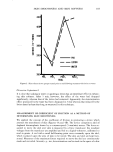
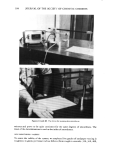
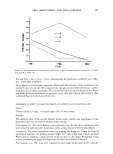
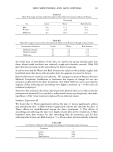
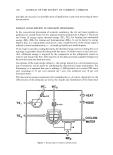
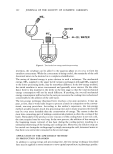
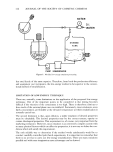
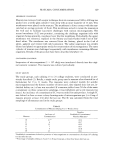
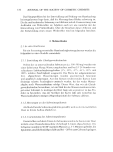
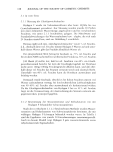
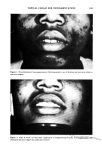
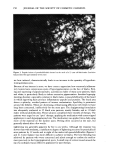
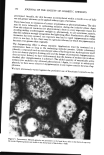
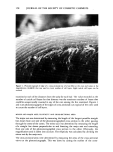
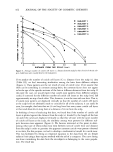
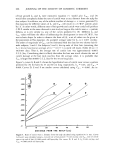
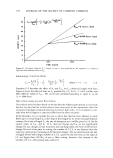
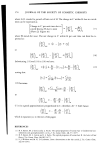
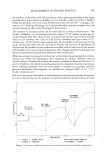
152 JOURNAL OF THE SOCIETY OF COSMETIC CHEMISTS penetrated. Actually, the skin becomes accommodated within a month or so of daily use and greater amounts can be applied without signs of irritation. There have been no instances of contact sensitization or photosensitizApartfornameldepigwithinTheafterphase.pigmentathesunscreenimportantirritativerepigmentatusewhichverytheinto skin may be more vulnerable to sunburning radiation during from this enhanced reactivity (not phototoxicity), there is a reason avoiding midday erythemogenic sunlight or, alternatively, that this radiation strongly antagonizes the lightening effect. Furthermor menration has been secured, sun exposure may lead to rapid seven to ten days. In fact, there may be a genuine rebound becomes even greater than originally. The depigmenting effect is always transient. Ai•plications must maintenance basis so long as the melanizing stimulus persists. phenolic compounds such as monobenzyl ether of hydroquinone, hydroquino does not destroy pigment-forming cells and the danger of permanent does not exist. Indeed, we have demonstrated that the density ofmelanocyaboutisdepigmenitselfsubstituaoncontinueenzymicalsubstituofap-areatothebeUnlikeofoutsidecontrast doubled after depigmentation is achieved. (The added quantity active melanocytes underlies the rebound phenomenon.) Again, in Phenols, we have never observed depigmentati0n in any region plication. We have strenuously warned against the persistent use of flourinated steroids on the Figure 5. Pretreatment: Melanin granules are prominent in the basal layer, often in the form of caps over the nuclei. Pigment granules are visible in the horny layer of black skin (x 400)

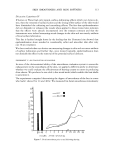
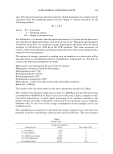
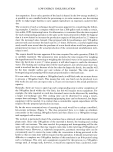
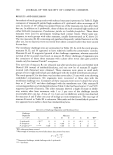
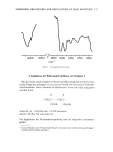
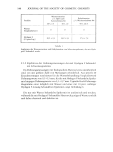
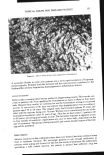
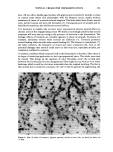
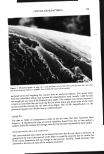
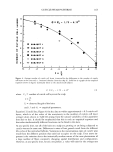
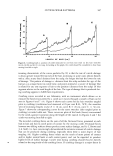
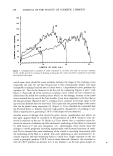
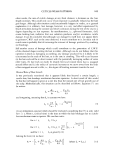
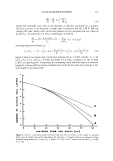
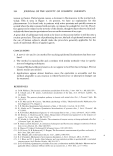
TOPICAL CREAM FOR DEPIGMENTATION 153 face. All too often, middle-aged women will apply potent steroids for months or years to control some minor skin abnormality with the frequent result, usually without awareness of cause, of a steroid-induced eruption. The latter takes three forms: steroid acne, steroid rosacea and peri-oral dermatitis (5). Varying amounts of atrophy and di- lated blood vessels are also well known steroid effects. It is necessary to explain why we have never encountered adverse steroid effects in chronic users of the depigmenting cream. We think it exceedingly unlikely that steroid eruptions will ever turn up owing to the presence of tretinoin in the formulation. The biologic effects of tretinoin are virtually opposite to those of steroids. Tretinoin, for example, stimulates mitoses while steroids are inhibitory (3). Tretinoin promotes wound healing while steroids delay wound healing (6). The former is comedolytic (7), the latter enhances the formation of closed and open coinedones (8). And so the potential damages that steroids could exert on skin structure, especially atrophy, are completely nullified by tretinoin. A common condition which responds well to this formulation is freckles. Here there is no hope of restricting applications to the hyperpigmented spots. The whole area must be treated. This brings up the question of color blending--won't the normal skin between the freckles also become depigmented? One might end up with an ivory white landscape which would be a lot more noticeable than the original mottling. The fact is that normal skin is relatively consistant the rule is that the greater the pigmenting, the Figure 6. After 8 weeks of treatment, pigment granules, mainly in basal cells, can barely be made out (x 400)
Purchased for the exclusive use of nofirst nolast (unknown)
From: SCC Media Library & Resource Center (library.scconline.org)