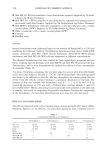
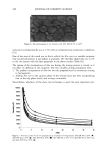
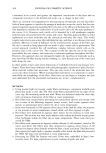
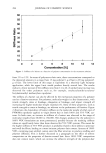
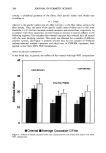
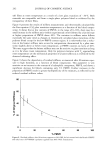
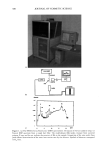
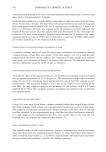
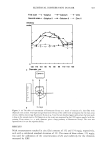
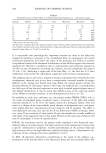
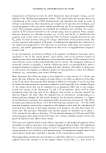
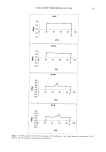
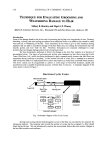
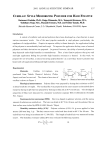
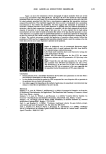
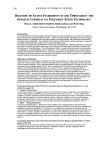
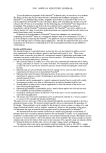
330 JOURNAL OF COSMETIC SCIENCE TECHNIQUE FOR EVALUATING GROOMING AND WEATHERING DAMAGE TO HAIR Sidney B. Hornby and Nigel J.P. Winsey Martech Contract Services, Inc., Broomall, PA and Dia-Stron, Ltd., Andover, UK Introduction Some of the damage found in hair is the result of grooming and styling over long periods of time, Perming, bleaching, coloring, and other styling procedures cause additional harm to be added to that caused by sheer wear and tear or weathering of the hair. Since consumers do not want to give up their strenuous styling regimens that can lead to cumulative damage of the hair fibers they are looking for formulations that will nourish, protect, and even 'heal' the hair. Therefore, formulatots are constantly challenged to create products that can mitigate damage and promote strong bouncy hair, We have developed a technique to follow the changes in the hair fiber modulus as a function of accumulated stress. The rigors of grooming and styling were simulated on hair fibers using the Cyclic Tester (Dia-Stron, Ltd.) which has being developed to apply repeated tensile stresses that hair fibers can experience during combing or brushing. In this method one end of a hair fiber is attached to a sensitive load cell and the other to a sophisticated drive system that employs a closed loop controlled linear actuator. This drive system can be programmed to achieve a wide range of movement distances, speeds and accelerations and is capable of positional accuracy of better than 10 microns. A schematic diagram of the cyclic tester is shown in Figure 1. Dia-Stron Cyclic Tester Relaxed Hair Fiber no Load • Load Cell Hair Fiber Loaded Moving arm Internal Schematic Fig. 1 Schematic diagram of the Cyclic Tester. Computer During load cycling selected load-elongation curves of the fiber can recorded by the computer for subsequent analysis. The computer also records the number of cycles that have elapsed if a fiber should break during the test. We can subsequently analyze the accumulated failure data and monitor changes in the hair fiber modulus and resilience.

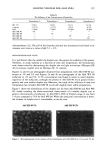
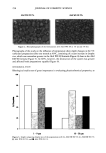
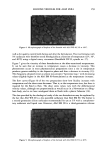
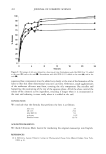
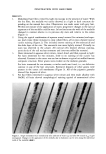
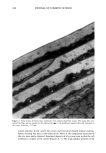
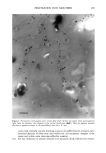
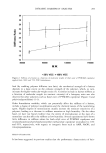
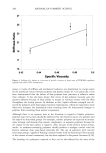
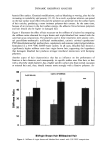
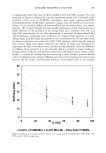
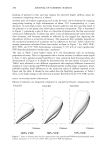
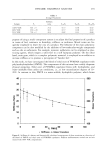
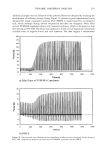
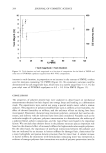
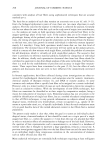
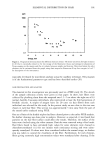
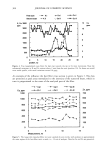
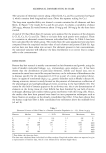
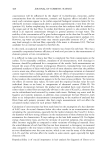
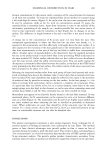
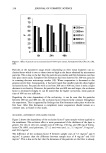
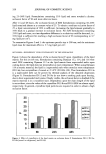
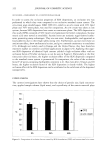
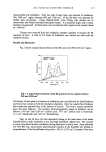
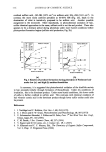
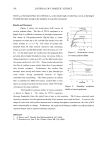
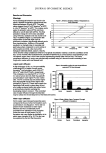
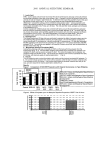
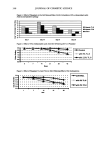
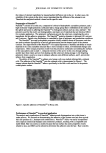
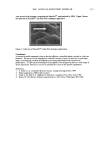
2001 ANNUAL SCIENTIFIC SEMINAR 331 Failure Analysis and Survival Probability The failure data and load extension data of hair fibers that were subjected to constant load cyclic testing was compared to that obtained for the hair after treatment. To determine whether this technique can be used to distinguish the beneficial effect of conditioning products we selected various materials to apply to the hair. Particular attention was given to treating hair damaged by bleaching. The simplest, but least informative approach to fatigue data is to compare the failure percentages of the samples. A more useful approach is to construct survival probability curves such as that shown in Figure 2. 0• o4. • 0• & • + Fig. 2 Survival plots. /.•• -- first Cycle 60 --•o •s ,• 40 21 cycles '• 20 m41 •s 0 • • • • 29 30 31 32 -- lo•o wdes Elongation (ram) --•o• •.s Fig 3 Chan•e in Io•d-e]on•ation cu•es as stress continues. Under conditions of 70 gram load and 30% relative humidity virgin hair has a 16% chance of surviving 5,000 fatigue cycles. Application of JR400 to the hair increases the survival probability to 22%. Bleaching the hair reduces the survival probability to 1.2%. Treating bleached hair with JR400 only slightly increases the survival probability under these conditions. Other conditioning systems were explored in this study that resulted in much greater increases in survival probability. Changes in Elastic Behavior Decreases in hair fiber elastic modulus with load cycling were observed especially at the greater stress levels (Fig 3). These reductions in the elasticity of the hair can result in hair that looks limp and lacks 'bounce'. In addition, load-elongation curves during the relaxation of stress in the cycling experiment are not necessarily the same as they were during the application of the stress. This phenomenon is called "hysteresis", and the ratio of the area under the relaxation curve to that under the loading curve (for a given strain) is called the "resilience". Figure 4 shows how the resilience of a chemically unaltered hair fiber decreases in response to progressive fatiguing. 0 ß 29 31 33 First Cycle 40 cycles 35 Elongation (mm) Conclusion Cyclic testing was used to obtain hair fiber failure data which was used to construct survival probability graphs that were employed to compare the effects of various treatments on damaged hair. The beneficial effect of selected conditioning materials on the hair could be demonstrated. Decreases in fiber elasticity and resilience were observed as the hair was subjected to cyclic tensile stresses.
Purchased for the exclusive use of nofirst nolast (unknown)
From: SCC Media Library & Resource Center (library.scconline.org)