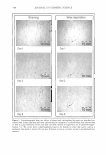
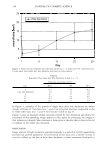
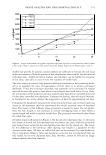
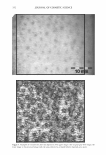
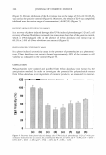
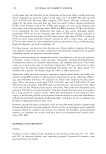
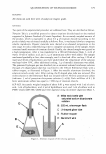
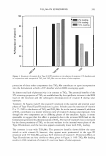
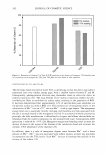
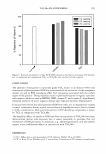
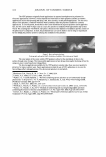
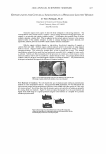
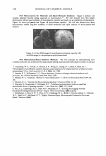
HORSE CHESTNUT EXTRACT VS SKIN AGING 371 directly to the bath, and changes in the contraction force were recorded using a BIOPAC system (BIOPAC Systems Inc., Santa Barbara, CA). INHIBITORY EFFECT OF CYTOCHALASIN D The horse chestnut extract (0.001 residue %) or thrombin (2 U/ml) was added to the gel to induce the contraction force generation as detailed above. Cytochalasin D (2 µM) was also added to the suspension, and changes in force generation were detected. FLUORESCENCE MICROSCOPY OF STRESS FIBERS Fibroblasts on collagen-coated chamber slides were cultured in serum-free DMEM for 24 hours. The cells were treated with the horse chestnut extract (0.0003 residue % ) or thrombin (1 U/ml) for ten minutes. Next, they were fixed in formalin and then treated with ice-cold methanol for a few minutes. The cells were then treated with rhodamine phalloidin (Molecular Probes Inc., Eugene, OR) and observed by fluorescence micros copy. SUBJECTS AND STUDY DESIGN Clinical testing was carried out on 40 healthy female volunteers (aged 35-45 years, mean 38.4 years) after they gave informed consent. Tests were carried out on the entire face, in a double-blind manner. Twenty subjects used the gel formulation including the horse chestnut extract, and another twenty subjects used a placebo. The wrinkle-smoothing efficacy was evaluated by visual scoring based on photo scales by a specialist (5). Briefly, the severity of wrinkling was graded from O to 4: grade O = none grade l = mild grade 2 = mild/moderate grade 3 = moderate and grade 4 = severe. Quarter-intermediate grades (every 0.25) were also used in this evaluation (a total of 17 stages). Before the scoring, each volunteer stayed in a room with constant temperature (about 25°C) and humidity (34-40%) for at least 15 minutes prior to analysis. TOPICAL APPLICATION The gel formulation included 3% of the horse chestnut extract and was applied topically at the periphery of the eye twice daily (in the morning and evening) for nine weeks placebo gels without the horse chestnut extract were used as a control. Gels included detergent (Emanon CH40: PEG-40 hydrogenated castor oil (0.5 w/w%)) sodium alginate (1.0 w/w%, Mw. ca. 70000) 86% glycerol (5.0 w/w%) methylparaben (0.2 w/w%) as an antiseptic agent and purified water. Each subject applied about 0.2 ml of the appropriate gel per application. STATISTICAL ANALYSIS The Mann-Whitney U test was used for statistical analysis of the clinical results, and p 0.05 is considered significant. All in vitro experiments were performed at least twice, and data from one representative experiment are shown in the figures.

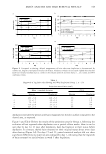
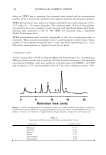
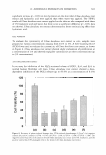
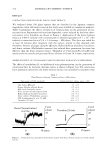
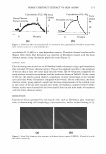
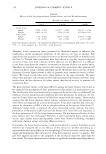
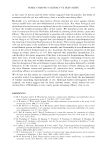
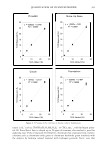
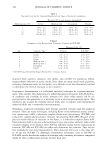
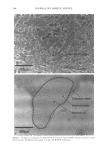
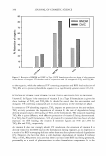
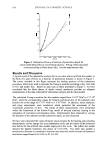
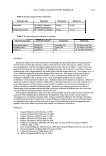
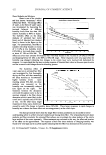
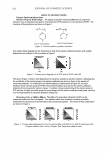
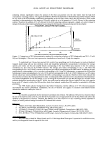
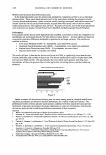
372 JOURNAL OF COSMETIC SCIENCE RESULTS CONTRACTION FORCE INDUCED BY VARIO US PLANT EXTRACTS We evaluated about 100 plant extracts that are described in the Japanese cosmetic ingredients codex. All extracts used in this study were available as commercial products. Table I summarizes the effects of extracts of various plants on the generation of con traction forces. Representative force/time-dependent curves induced by the horse chest nut extract or by thrombin are shown in Figure 1. Application of the horse chestnut extract at 0.001 % (residue wt%) concentration to dermal equivalents (of 3 x 10⁵ cells) induced a contraction force of 9.0 ± 2.6 (average ± SD) dynes. This force was stable for at least 30 minutes after treatment with the extract, similar to that obtained with thrombin. Extracts of ginger (Zingiber officinale), Baikal skullcup (Scutellaria baicalensis), and Amur corktree (Phellodendron arnurense) also induced force generation, but were less effective than the horse chestnut extract. Thrombin (2 U/ml) and LPA (20 µM) were used as positive controls and generated forces of about 30.0 and 14.S dynes, respectively. INHIBITORY EFFECT OF CYTOCHALASIN D AND FLUORESCENCE MICROSCOPY OF STRESS FIBERS The effect of cytochalasin D, an inhibitor of actin polymerization, on the generation of contraction force by the horse chestnut extract is shown in Figure 2(a). The contraction force generation induced by the horse chestnut extract was cancelled by treatment with Table I Plant Extracts Inducing Contraction Force of Fibroblasts Plant extract (0.001 residue%) Sage (Salvia officinalis) Ginger (Zingiber officinale Roscoe) Milk vetch (Astragalus sinicus) Horse chesnut (Aesculus hippocastanum) Baikal skullcup (Scutellaria baicalensis) Amur corktree (Phellodendron amurense) LPA (Lisophosphatidic acid, 20 µM) Thrombin (2 U/ml) Horse Chesnut Extract (0.001 ° 0 (a) Force (dyne) 10 5 0 30 (min) Contraction force (dynes, mean ± SD) 1.9 ± 2.6 6.7 ± 3.8 1.5 ± 1.3 9.0 ± 2.6 6.9 ± 5.5 8.6 ± 2.6 14.5 ± 5.5 30.0 ± 3.5 Thrombin(2U/ml) 0 (b) Force (dyne) 40 20 0 30 (min) Figure 1. Contraction force generation of fibroblasts treated with horse chesnut extract (a) or with throm bin (b).
Purchased for the exclusive use of nofirst nolast (unknown)
From: SCC Media Library & Resource Center (library.scconline.org)