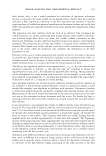
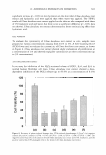
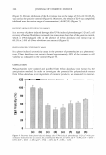
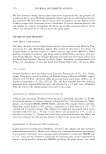
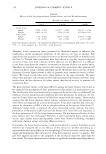
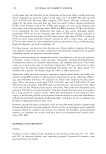
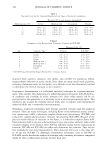
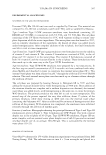
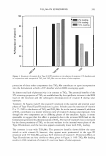
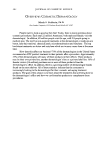
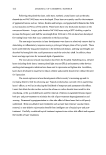
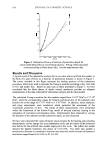
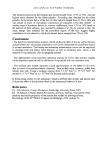
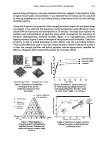
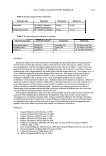
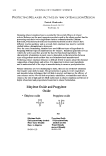
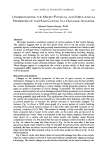
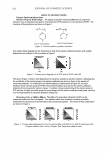
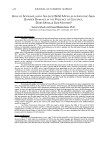
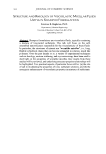
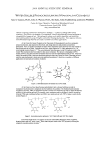
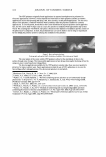
420 JOURNAL OF COSMETIC SCIENCE PROTECTING RELAXER ACTIVES BY WAY OF EMULSION DESIGN Patrick Obukowho Advantage Research Lab LLC Woodbridge, NJ Designing relaxer emulsion base is essential for the overall efficacy of relaxer actives. Relaxers are the most aggressive products used in the ethnic product line for processing curly hair. Active ingredients such as sodium hydroxide, Lithium hydroxide, Potassium hydroxide and Guanidine hydroxide used in relaxers have different reaction pathway and as a result, their emulsion base must be carefully studied before a formulation is drawn out. Over the years, formulating chemists have used different types of ingredients in designing different types of emulsion base for relaxers. Emulsions generally serve as vehicles for actives and they provide the base for functional ingredients. The characteristic of emulsions in most cases is dependent on the interaction between types of ingredients used and how they are formulated and manufactured. Predicting relaxer emulsion behavior is difficult if little is known about the chemical composition of ingredients and actives. It is important to know your ingredients and to understand all of the steps in manufacturing to ensure a good production. Relaxer emulsions are very challenging to make, they are one of the few emulsions that require some skills to make. This presentation is going to review ingredients and manufacturing techniques that will help to protect and improve the efficacy of your relaxers actives. We will look at primary emulsifiers, co-emulsifiers and oils in relaxers, the role of high and low HLB surfactants in relaxer emulsion and the use of highly ethoxylated and propoxylated materials in relaxer formulation. Ethylene Oxide and Propylene Oxide • Ethylene oxide EO � Jjl H-C-C-H \I 0 Ethylene Oxide Ethoxylated fatty alcohols More water friendly Easy to dispene. R-OH + EO Propylene oxide H HJ H-C-C-H PO \I 0 Propylene Oxide Propoxylated fatty alcohols are less Water friendly more oil friendly R-OH + PO

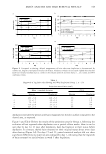
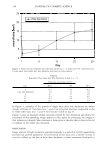
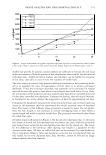
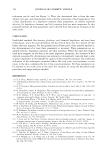
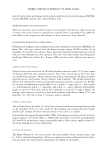
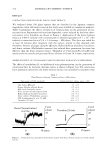
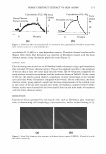
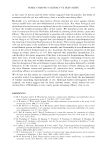
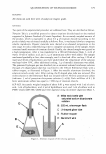
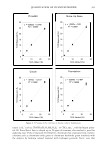
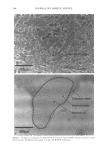
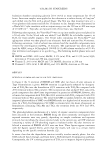
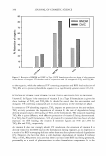
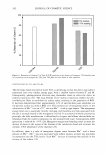
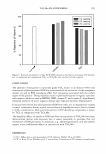
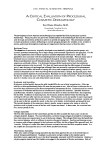
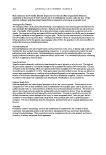
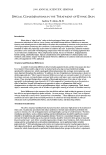
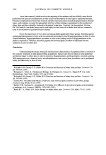
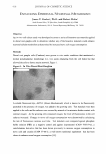
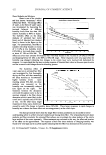
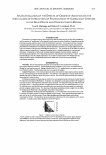
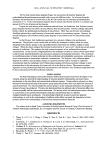
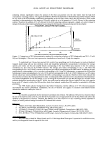
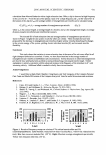
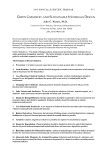
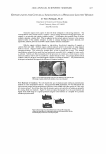
2006 ANNUAL SCIENTIFIC SEMINAR 421 THE EFFECT OF TREA TMENTS ON THE SHEAR MODULUS OF HUMAN HAIR CORTEX AND CUTICLE LAYER MEASURED BY THE SINGLE FIBER TORSION PENDULUM Don Harper and Yash Karnath, Ph.D. TRI/Princeton Previous studies with the single fiber torsion pendulum have alluded to the ability of this device to selectively measure different regions of a fiber, namely, the core and the sheath. This selective ability of the torsion pendulum was explored further as a means of better understanding treatments effects. First, the relationship between shear modulus and fiber circularity was investigated and, secondly, the effect of moisture on shear modulus was evaluated. The measurements were made using a single fiber torsion pendulum on untreated and bleached hair fibers. The bleached fibers were subsequently treated with either Polyquatemium-10 or cetyl trimethylammonium bromide (CET AB) and measured again. The effect of moisture was evaluated by varying the humidity inside a chamber surrounding the sample mounted in the torsion pendulum. Shear Modulus and Circularity It was discovered that a correlation exists between the circularity (defined as minor axis/major axis) of hair fiber cross-sections and the shear modulus such that more circular fibers have higher shear moduli and fibers which deviate from circularity have proportionally lower shear moduli. This relationship was amenable to linear regression and yields the following equation for untreated hair: Shear Modulus (in GPa) = (0.52 x Circularity)+ 0.62 By extrapolation, the equation produces a shear modulus of 0.62 GPa when circularity equals 0 (i.e., the fiber is least circular) and a shear modulus of 1.14 GPa when circularity equals I (i.e., the fiber is the most circular). Since it is known that the cuticle layer is more rigid than the cortex and that torsion measurements are dominated by the outer surfaces of a sample, it is speculated that the shear modulus of the cuticle layer is in the vicinity of I. I GPa and that of the cortex is about 0.6 GPa. These predictions were supported by measurements on decuticled (abraded) hair fibers which yielded moduli between 0.5 and 0.8 GPa with no dependence on circularity whereas the same fibers that were unabraded yielded moduli between 0.9 and I. I. The shear modulus of over-processed bleached hair (see figures below) also lacked dependence on circularity and yielded shear moduli in the range of 0.6 to 0. 7 GPa [I]. This indicates that the cuticle layer was softened by bleaching and resulted in a shear modulus similar to that of the cortex. The bleached hair treated with CET AB showed a fortifying effect on the cuticle layer as the torsional behavior approached that of the untreated fibers. The bleached hair treated with Polyquaternium-10 showed only a slight increase in modulus indicating little fortification of the fiber. It has been shown, by independent measurements, that the difference between the two treatments is that CET AB penetrates into hair, whereas, Polyquaternium-10 remains mainly on the surface. c:, CETAS 1.4 �-------------� 1.2 08 0.6 04 0,2,__ ____ ----- - 04 05 06 07 Circularity 0 8 0.9 Polyquatemium-1 O 1◄ �---------------, Unt 12 0 8 c:, � 06 "=l 04 0.2 +-------- --------- - 0.5 0.6 07 Circularity 08 09
Purchased for the exclusive use of nofirst nolast (unknown)
From: SCC Media Library & Resource Center (library.scconline.org)