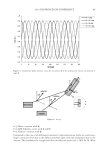
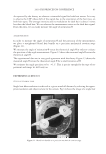
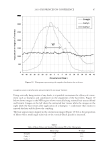
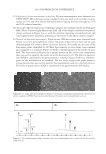
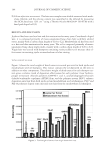
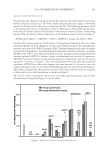
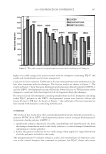
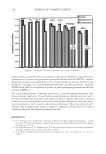
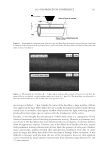
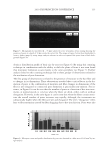
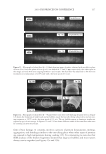
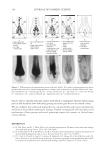
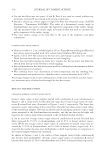
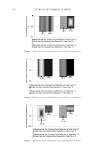
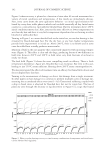
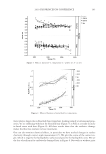
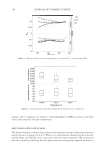
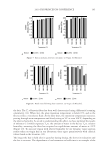
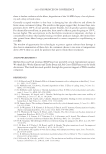
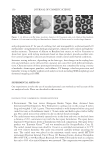
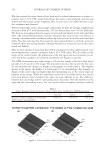
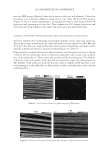
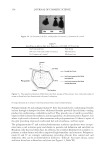
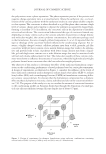
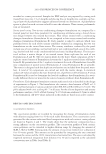
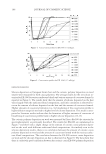
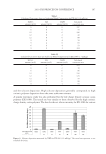
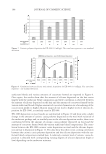
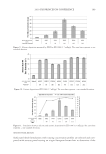
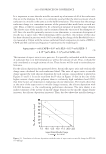
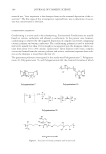
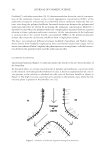
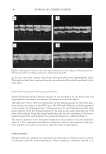
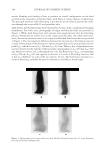
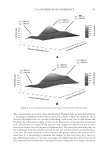
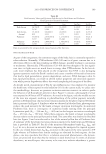
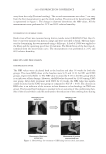
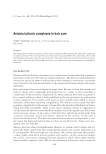
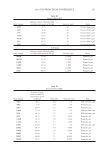
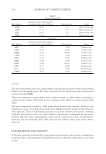
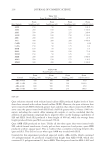
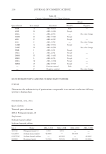
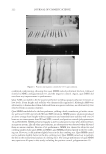
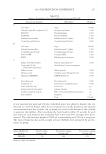
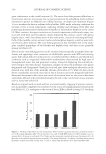
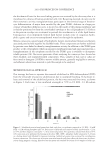
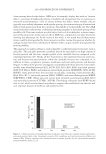
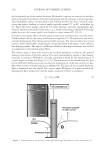
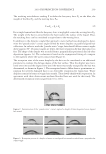
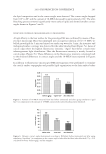
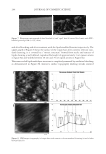
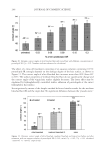
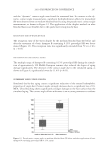
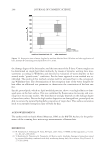
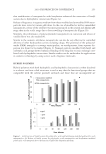
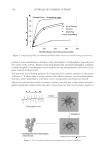
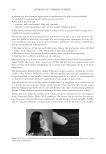
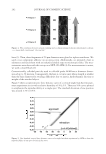
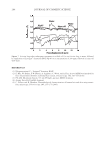
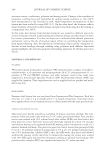
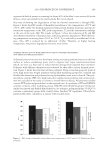
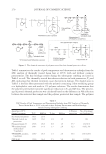
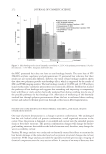
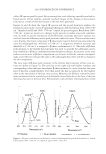
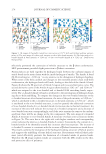
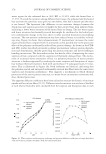
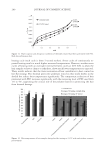
JOURNAL OF COSMETIC SCIENCE 222 confi rmed conditioning, showing that quat MMM indeed performed the best, followed closely by MMG, polyquaternium 10, and the negative control. Again, quat DMG did not show any improvement in performance. Quat AMB concluded to be the poorest performer yielding opaque surfactant mixtures at low levels. Foam height and stability was dramatically suppressed. Although AMB was substantive to human hair when delivered from an aqueous solution, no substantivity was observed from an anionic mixture. Quat MMM concluded to be the best performer, yielding a thick, translucent gel with a viscos- ity well over 10,000 cps for both SLS and SLES titrations. MMM/anionic solutions produced an above average foam height without suppression and extended foam stability well over 24 hours or, ten times greater than SLS and SLES, controls, and positive controls (polyquaternium 10 and SLS/SLES). MMM performed equally as well in substantivity tests when delivered from an aqueous system. Like all other quat solutions, no substantivity was observed when delivered from an anionic mixture. Because of its performance, MMM was chosen for subjective and combing analysis. Like quats DMG and MMG, quat MMM performed poorly in the wet comb- ing test. However, it did perform slightly better in the dry combing test. Quat MMM turned out to perform slightly better in the dry combing test. Quat MMM turned out to perform the best in the instrumental analysis of combing force. The average performance of quat MMM was superior to all quats in this study, including the positive control, polyquaternium 10. Figure 1. Positive and negative controls for 0.5% quat solutions.

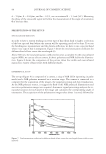
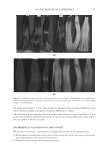
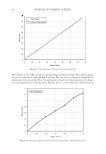
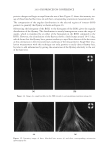
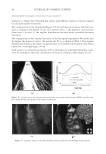
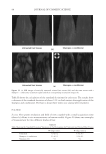
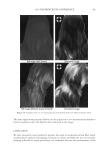
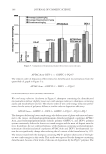
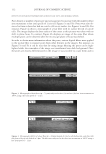
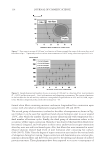
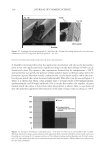
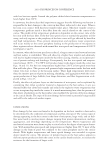
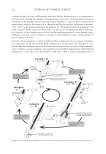
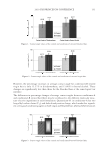
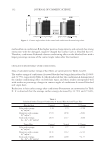
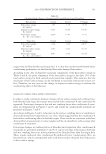
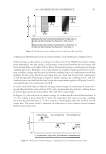
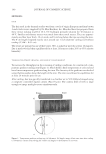
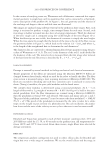
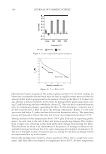
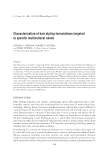
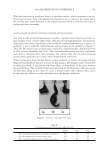
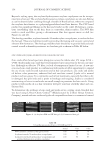
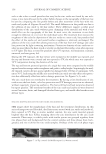
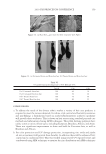
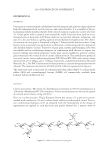
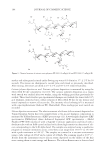
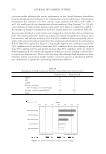
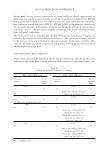
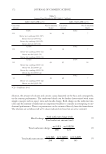
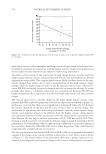
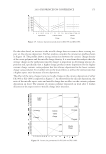
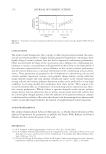
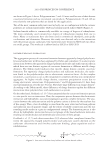
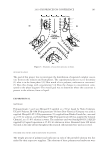
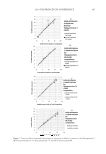
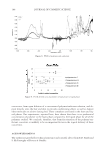
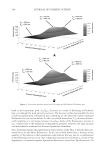
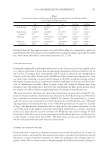
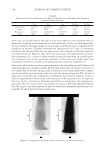
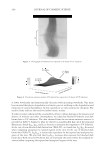
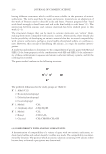
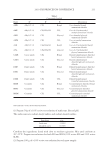
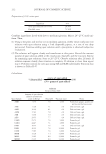
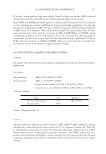
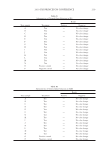
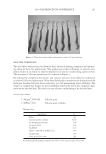
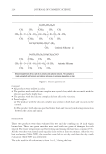
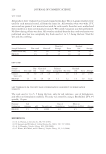
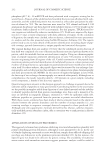
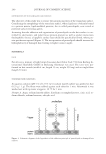
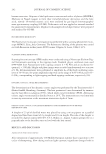
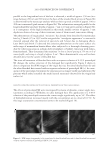
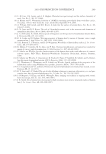
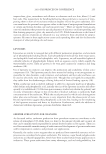
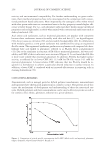
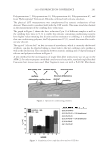
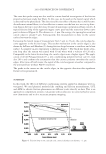
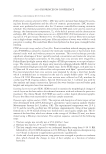
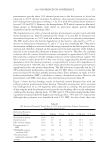
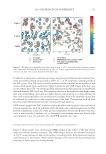
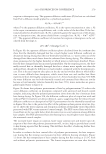
2010 TRI/PRINCETON CONFERENCE 223 Figure 2. Hair tresses that exhibit substantivity with 0.5% quat solution. SILICONE COMPLEXES The data above was presented to show the basic theory of making complexes and optimiz- ing them for hair care applications. The application of this technology to silicone com- plexes results in an ability to improve deposition of silicone conditioning agents on hair. The structure of silicone quaternium 20 is shown in Figure 3. By making the complex of the anionic and cationic silicone a more effective conditioner is achieved. Silicone quaternium 20 has been developed to maximize the disruption of the hydrogen bonding between water molecules, yet still maintaining water solubility. The result is a complex that despite its water solubility achieves the lowest free energy by depo- sition on the hair and skin. The result is a very effective conditioning of the hair and skin. SALON EVALUATION: 1. Silquat® J208-1B Silicone quat 2. SilPlex® J2-S Silicone quat complex Shampoo base Ingredients % Water Qs Sodium laureth-2 sulfate 30.00 Cocamidopropyl betaine 7.00 Cocamide DEA 4.00 Na2EDTA 0.10 Silquat® J208-1B or SilPlex® J2-S 2.50 Germaben II 1.00 Citric Acid (25% soln) Qs All formula pH adjustments ranged from 6.65 to 6.80, specs being 6.30 to 6.80.
Purchased for the exclusive use of nofirst nolast (unknown)
From: SCC Media Library & Resource Center (library.scconline.org)