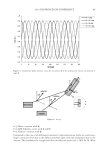
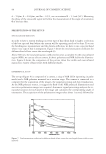
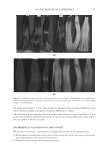
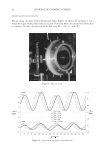
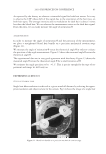
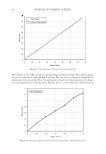
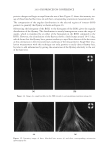
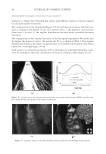
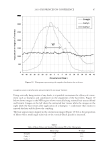
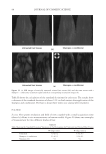
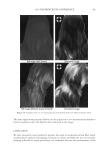
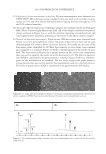
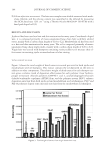
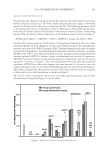
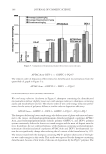
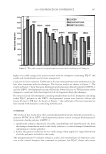
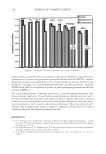
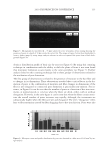
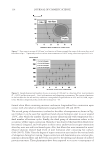
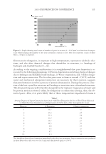
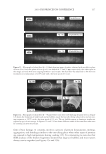
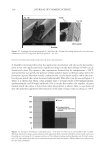
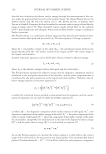
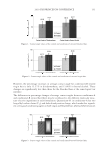
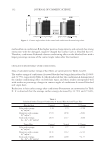
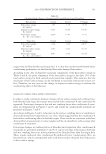
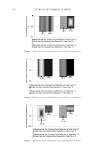
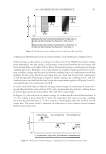
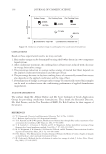
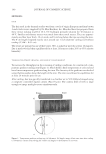
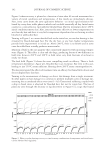
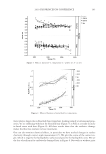
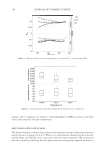
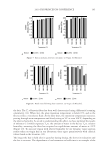
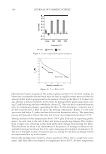
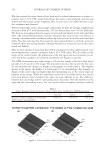
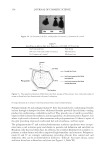
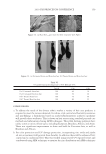
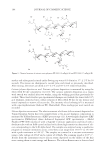
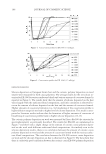
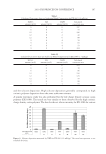
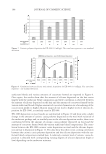
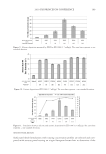
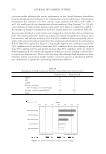
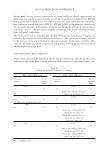
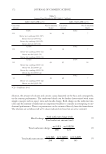
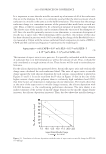
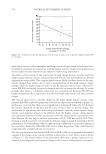
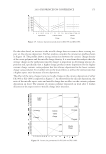
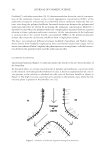
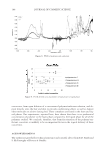
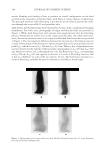
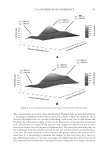
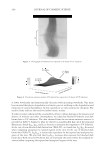
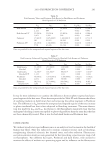
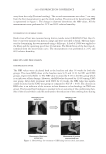
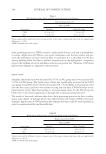
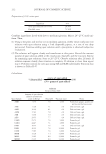
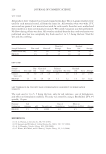
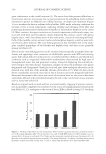
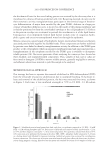
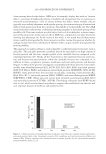
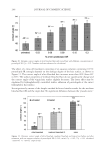
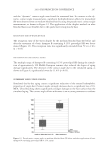
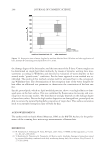
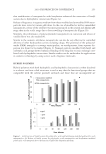
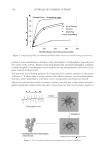
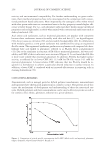
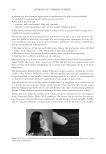
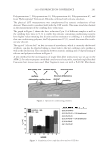
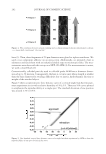
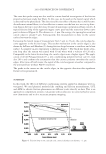
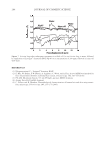
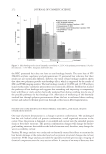
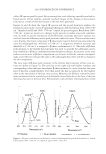
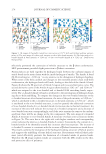
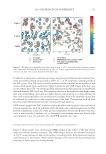
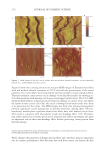
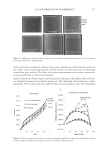
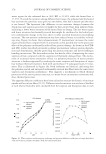
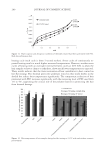
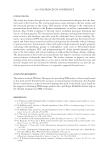
JOURNAL OF COSMETIC SCIENCE 146 phenomenon known as aging in the study of glassy systems (13). For heat styling, we know that considerable thermal work must be done to rapidly remove water and that the amount of this work is proportional to the amount of water in the fi ber (14). In heat styl- ing, the hair is driven towards Tg in two ways: by driving off the plasticizing water, rais- ing Tg and by heating the hair towards the elevated Tg. Once the hair is removed from the iron, its temperature plunges, quenching the fi ber. In this description, it matters not at all how long the hair is held far above the melting temperature. Rather it is the time spent near and below Tg under mechanical force that determines effi cacy. The quenching process will proceed in almost the same way for any iron temperature far above 150°C. Having understood that temperatures above 150°C play little role in improving perfor- mance, we now turn to the role of heat and water in producing damage. The evidence from a single cycle of heating in this work shows little damage from heating wet fi bers. This should not be taken as an endorsement of the practice of heating wet fi bers as con- siderable literature has shown this to be quite damaging after multiple treatments (1,6). The use of multiple rounds of treatment prior to testing for mechanical damage will be an important follow up to this report. Chemically damaged hair, however, shows signifi cant effects from a single heat treat- ments. And these effects are dramatic at temperatures above 200°C. At these temperatures Figure 9. Contact angle following heat treatment. Figure 10. Tg vs. RH at 24°C.

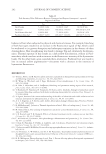
2010 TRI/PRINCETON CONFERENCE 147 there is further oxidation of the fi bers, degradation of the 18-MEA layer, a loss of plastic- ity and a drop in break stress. Generally accepted wisdom is that heat is damaging but also effective and allows for faster, more convenient styling. The results in this paper suggest that, for most hair, tem- peratures above 100°C do not provide greater benefi ts, but do produce greater damage. For chemically treated hair, in particular, there may be effi cacy gains for going to 150°C, but not higher. The water present in the hair before treatment is important. As there is considerable evidence that rapidly heating wet fi bers produces damage, the limited ben- efi ts gained from fi bers beings preconditioned in water compared to equilibrating at 65%RH. The window of opportunity for technologies to protect against relevant heat damage is also clear in examination of these data. As consumers choose to use irons at temperatures above 200°C there is a need for products that protect from these treatments. ACKNOWLEDGMENTS Mythili Nori and Carl Gorman (TRI/Princeton) provided critical experimental support. We thank Eric Weeks (Emory) and Trefor Evans and Jöel Coret (TRI/Princeton) for useful discussions. This work was made possible through the generous support of TRI’s member companies. REFERENCES (1) S. B. Ruetsch and Y. K. Kamath, Effects of thermal treatments with a curling iron on hair fi ber. J. Cosmet. Sci., 55(1), 13–27 (2004). (2) R. McMullen and J. Jachowicz, Thermal degradation of hair. I. Effect of curling irons, J. Cosmet. Sci., 49(4), 223–244 (1998). (3) R. McMullen and J. Jachowicz, Thermal degradation of hair. II. Effect of selected polymers and surfac- tants, J. Cosmet. Sci., 49(4), 245–256 (1998). (4) F. J. Wortmann, M. Stapels, and L. Chandra, Modeling the time-dependent water wave stability of human hair, J. Cosmet. Sci., 61, 31–38 (2010). (5) F. J. Wortmann, M. Stapels, and L. Chandra, Humidity-dependent bending recovery and relaxation of human hair, J. Appl. Polym. Sci., 113(5), 3336–3344 (2009). (6) M. Gamez-Garcia, The cracking of human hair cuticles by cyclical thermal stresses, J. Cosmet. Sci., 49(3), 141–153 (1998). (7) H. D. Weigmann, Y. K. Kamath, S. B. Ruetsch, P. Busch, and H. Tesmann, Characterization of surface deposits on human hair fi bers, J. Soc. Cosmet. Chem. 41(6), 379–390 (1990). (8) F. J. Wortmann, M. Stapels, R. Elliott, and L. Chandra, The effect of water on the glass transition of human hair, Biopolymers, 81(5), 371–375 (2006). (9) P. Zuidema, L. E. Govaert, F. P. T. Baaijens, P. A. I. Ackermans, and S. Asvadi, The infl uence of humid- ity on the viscoelastic behaviour of human hair, Biorheology, 40(4), 431–439 (2003). (10) B. M. Chapman, The rheological behaviour of keratin during the aging process, Rheol. Acta, 14, 466– 470 (1975). (11) J. M. Kure, A. P. Pierlot, I. M. Russel, and R. A. Shanks, The glass transition of wool: An improved determination using DSC, Textile Res. J. 67(1), 18–22 (1997). (12) J. B. Speakman, The rigidity of wool and its change with adsorption of water vapor, Trans. Faraday Soc., 25, 92–103 (1929). (13) G. B. McKenna, Mechanical rejuvenation in polymer glasses: Fact or fallacy? J. Phys. Condensed Matter, 15(11), S737–S763 (2003). (14) P. Milczarek, M. Zielinski, and M. L. Garcia, The mechanism and stability of thermal transitions in hair keratin, Colloid Polym. Sci., 270(11), 1106–1115 (1992).
Purchased for the exclusive use of nofirst nolast (unknown)
From: SCC Media Library & Resource Center (library.scconline.org)