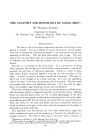
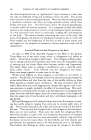
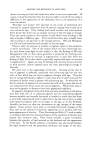
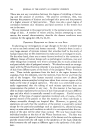
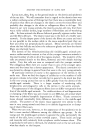
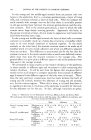
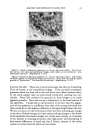
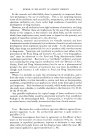
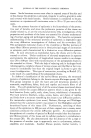
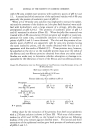
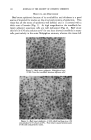
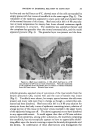
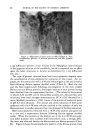
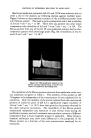
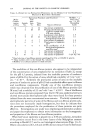
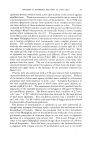
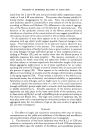
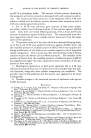
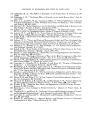
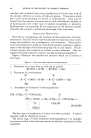
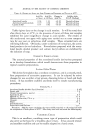
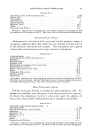
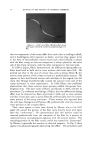
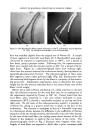
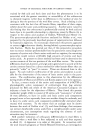
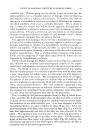
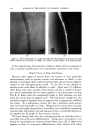
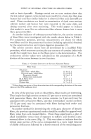
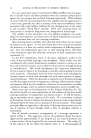
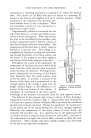
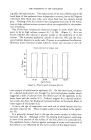
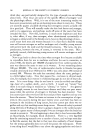
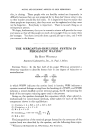
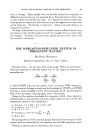
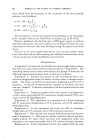
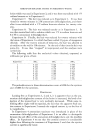
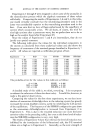
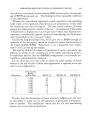
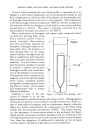
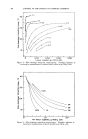
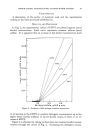
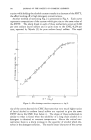
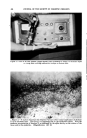
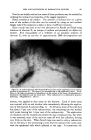
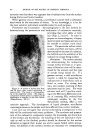
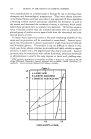
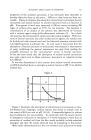
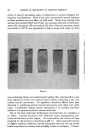
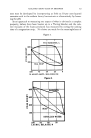
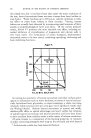
SODIUM LAURYL SULFATE-LAURYL ALCOHOL-WATER SYSTEMS 393 If now a tube containing the slow draining film is immersed up to its stopper in a bath whose temperature can be systematically raised, we will find a temperature at which the film will suddenly and dramatically alter its drainage characteristics from slow to fast draining. This temperature is the film drainage transition temperature (FDTT), which' is a property of the structure of both the detergent and the additive, their ratios and their concentrations in solution. This paper is primarily concerned with the relationships of detergen• and additive to the FDTT. Many combinations of detergents and organic polar compounds which can form slow draining films, along with a tentative outline of the re- quired structural characteristics, have been previously reported (2). Examples of detergent-additive sys- tems which favor the formation of slow draining films are the soaps, alcohol sulfates, monoglyceride sul- fates in combination with long chain fatty acids, fatty alcohols and similar materials. It is to be borne in mind that the amount of additive required to produce a solution having slow drainage is usually only a small frac- tion of the detergent concentration. Consequently many commercial de- tergents, such as the alcohol sulfates which contain unsulfated alcohols, are capable of producing slow drain- ing films at certain concentrations and temperatures with no further addition of additive. Common to most of the sub- stances of interest to us are two Figure 1.--Typical film drainage tube." physical properties, micelle formation and surface activity. The aggregation of molecules in solution to form micelles is usually observed as a break in a plot of some physical property such as conductance, density, refractive index, etc., versus concentration, the concentration at the break being termed the critical micelle concentration (CMC). The surface activity, i.e., the adsorption of surface-active solute at the air-liquid, the liquid- liquid, and the solid-liquid interfaces, manifests itself as a reduction in the corresponding interfacial tension at each interface relative to that of water. Very often the adsorption of surface-active molecules at the air-liquid interface leads to the ability of the solution to form stable films.

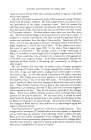
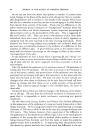
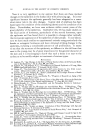
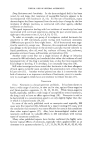
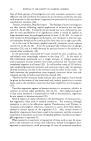
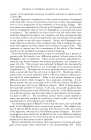
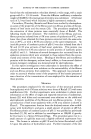
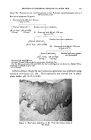
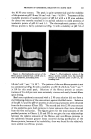
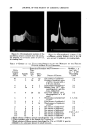
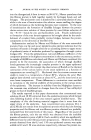
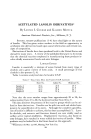
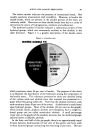
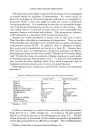
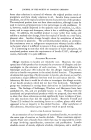
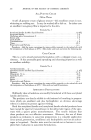
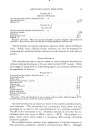
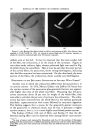
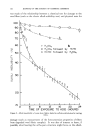
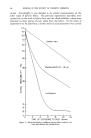
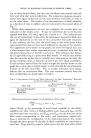
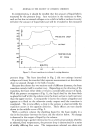
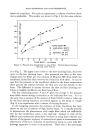
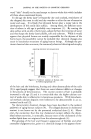
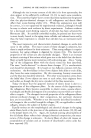
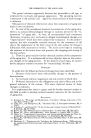
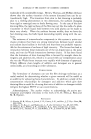
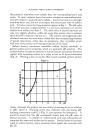
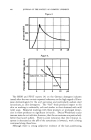
394 JOURNAL OF THE SOCIETY OF COSMETIC CHEMISTS 0.1 .o 4o o.2 • 0.25 x• 0.4 *' 0.6 õ3O .8 •20 i.o . 10 0 0.02 0.04 0.06 0.08 Lauryl alcohol, g/100 g •igure 2.•Film drainage transition temperatures. Numbers adjacent to curves give concentration of sodium lauryl sulfate in g./100 g. soln. 40 '• 0.05 • - .04 E --- .03 •' I 0 - .005 .01 ,02 - I I I I I I I I I I 0 1.0 2.0 NQ leuryl sulphete, g/100{3 soln. Figure 3.--Film drainage transition temperatures. Numbers adjacent to curves give concentration of lauryl alcohol in g./100 g. soln.
Purchased for the exclusive use of nofirst nolast (unknown)
From: SCC Media Library & Resource Center (library.scconline.org)