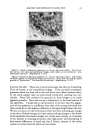
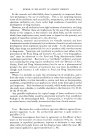
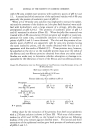
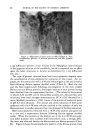
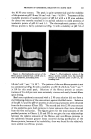
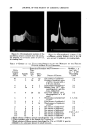
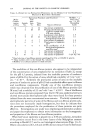
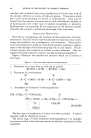
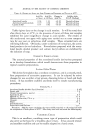
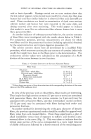
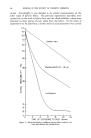
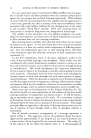
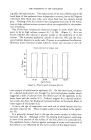
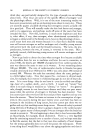
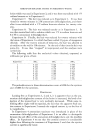
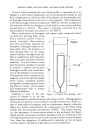
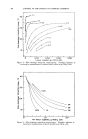
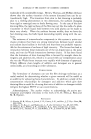
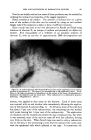
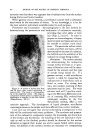
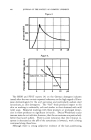
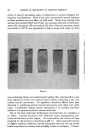
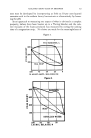
410 JOURNAL OF THE SOCIETY OF COSMETIC CHEMISTS 300 200 1oo Figure 3. 4 6 8 10 pH Figure 4. SARCOSYL N L_ 100-"•'• 1.5 1.0 .5 4 6 8 lO pH The BIOS and FIAT reports (4) on the German detergent industry issued after the war contain repeated references to the high regard of Euro- pean dermatologists for the acyl sarcosines and particularly sodium oleyl sarcosinate, as skin detergents. The "feel" these products impart to the skin on washing is undeniably soft and similar to that obtained with mild toilet soap. Repeated washings with these products or prolonged immer- sion in them produces no significant irritation. Draize-Woodward ocular mucosa tests do not indicate, however, that the sarcosinates are particularly better than lauryl sulfate. There is some indication that the irritation re- sponse is decreased as the pH of the sarcosinate is lowered work is being continued along these lines. Although there is strong subjective evidence of the hair-conditioning

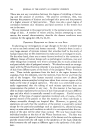
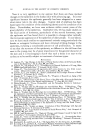
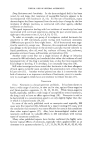
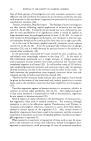
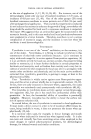
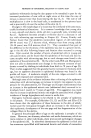
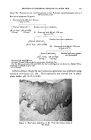
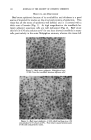
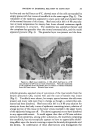
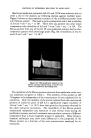
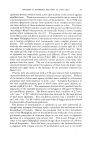
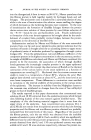
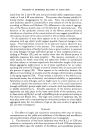
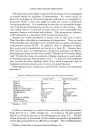
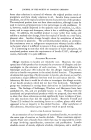
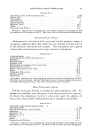
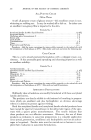
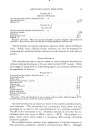
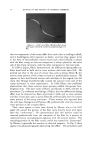
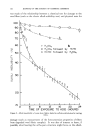
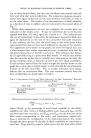
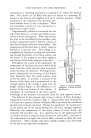
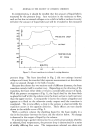
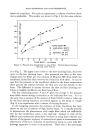
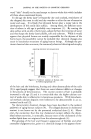
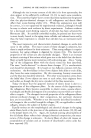
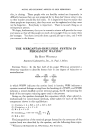
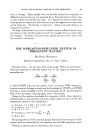
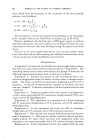
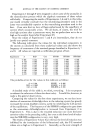
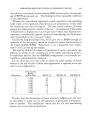
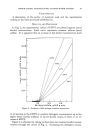
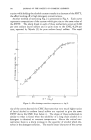
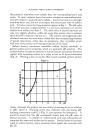
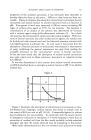
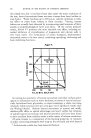
ACYLATED AMINO ACIDS IN SHAMPOOS 411 properties of the acylated sarcosines, it has obviously been desirable to develop objective data on this point. Efforts to date have not been suc- cessful. Figure 4 compares the adsorption characteristics of sodium lauroyl sarcosinate and sodium laurate on alcohol extracted wool as a function of pH. Four grams of wool were immersed in 100 ml. water containing 200 mgm. of surface-active agent at 25øC. for ten minutes. The decrease in concentration of an aliquot of the solution was determined by titration with a cationic agent using dichlorofluorescein indicator (5). As a check the wool may be extracted with alcohol and the residue weighed. With mix- tures of lauroyl sarcosine and other surface-active agents, the residue may be hydrolyzed with mineral acid and the liberated sarcosine titrated with 1,2-naphthoquinone 4-sulfonate (6). In such cases it was found that the adsorption of lauroyl sarcosine on wool protein was reduced in the presence of soap, confirming the general impressions one gets from reading the available literature on the "anti-enzyme" action of lauroyl sarcosine. It has also been found that the adsorption of sodium lauroyl sarcosinate was quite rapid even in dilute solutions desorption on repeated rinsing was difficult. It was also determined in this manner that sodium lauroyl sarcosinate at pH 6.8 adsorbed about as strongly as sodium laurate at pH 7.6 on alcohol washed skin. Figure 5. 1.0 .5 4 6 8 pH Figure $ illustrates the adsorption of sodium lauroyl sarcosinate on alco- hol-washed hair clippings sodium laurate was found to adsorb only to the extent of 0.05 per cent at pH 7.8-9.0. Comparable figures for sodium lauryl sulfate are not yet available. In connection with the recent interest in detergency evaluation of shampoos, it is worth keeping in mind that an extraction of residual soil from the hair would probably include adsorbed detergent and that the results obtained may be misleading to this extent. More easily demonstrated are the non-corrosive and anticorrosive prop-
Purchased for the exclusive use of nofirst nolast (unknown)
From: SCC Media Library & Resource Center (library.scconline.org)