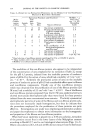
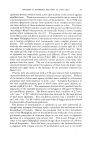
USES AND LIMITATIONS OF RADIOACTIVE ISOTOPES 403 and is in such a concentration as not to be considered harmful either on external application or if absorbed in large quantities. If all these factors are known to be within safe limits, it is possible that the studies on human volunteers will be approved by the Subcommittee on Human Application of the Isotope Division of the AEC. If the topical preparation is being used with the intention of benefiting the patient, its use on human beings is more likely to be granted. When all of these problems have been worked out and permission for procurement and use of the radioactive isotope has been granted, work may begin, providing of course the necessary laboratory equipment and trained personnel are at hand and the subjects are available. It goes without saying that the combined knowledge and efforts of the cosmetic chemist, the dermatologist, and the nuclear physicist, and when needed the help of other qualified specialists, should be the most sensible and expedient way of tackling such problems. And I think I can correctly add that previous experience in this specialized field will prove particularly useful at the outset. There are innumerable problems which might be studied using an oint- ment containing a radioactively tagged compound applied topically. I will enumerate but a few: Does the particular ingredient being studied penetrate the skin? If so, where does it localize--epidermis, hair follicles, sweat ducts, sweat glands, etc.? Is it present in large or small quantities? Is the penetration and localization affected by rubbing, previous preparation of the skin, different ointment bases, etc. ? Does absorption of the ingredient take place so that its presence may be shown in the body fluids? What percentage of the applied material is absorbed? Can the absorption be affected by rubbing, different bases, permitting longer contact With the skin, etc. ? Is penetration and absorption altered by concentration, thickness of the layer applied, dressings? How long does the ingredient remain on the surface or in the skin? Is its loss influenced by humidity, temperature, sweating, washing? How easily is it rubbed off? What is the best way to remove it, use of creams, ointments, oils? Which ones? Soap and water? Do any of these methods increase penetration and absorption at the same time ? (As an aside, I may add that knowledge concerning some of these facets would almost surely be of incalculable importance in devising methods for the decontamination of the skin following exposure to the atomic and hydrogen bomb fall-out.) What is the correlation between degree of penetration and therapeutic effectiveness? Is it necessary to strive for increased penetration or should attempts be made to localize or limit it? Can bases be developed which will allow penetration but prevent systemic absorption ? And so on.

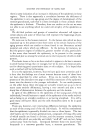
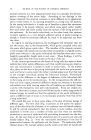
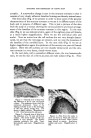
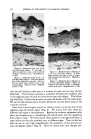
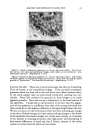
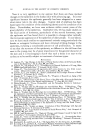
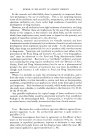
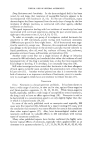
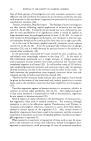
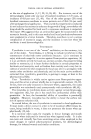
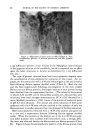
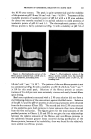
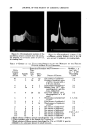
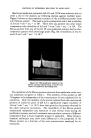
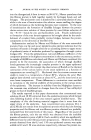
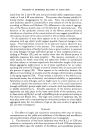
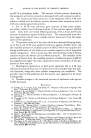
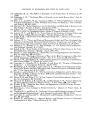
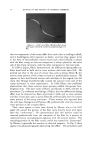
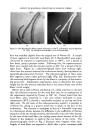
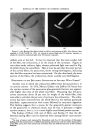
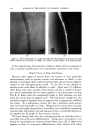
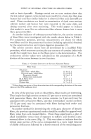
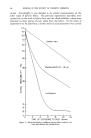
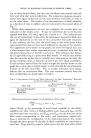
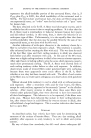
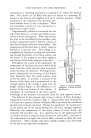
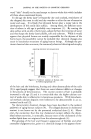
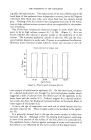
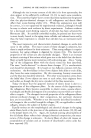
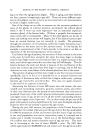
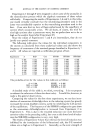
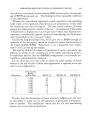
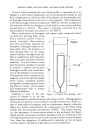
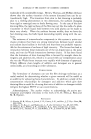
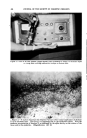
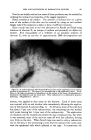
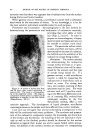
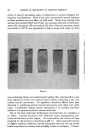
404 JOURNAL OF THE SOCIETY OF COSMETIC CHEMISTS Figure 1.--Use of an end window Gei'ger-M'Uiier tube (attached to scaler) to measure alpha or strong beta emitting radioactive isotope on human skin. ' • .. ,,, •...**......._ ....... _ ?- -* ... ,*-..: ,.:• , Figure 2.--A section of human skin biopsied 72 hours after topical application of thorium X in an ointment base. The tissue is cut perpendicular to the epidermal surface. Note the moderate accumulation of thorium X, as indicated by the alpha tracks, on the surface of the tissue and in the epidermis. (Magnification: 425 X)
Purchased for the exclusive use of nofirst nolast (unknown)
From: SCC Media Library & Resource Center (library.scconline.org)