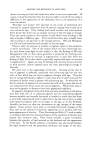
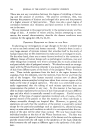
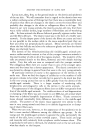
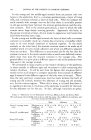
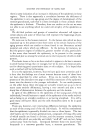
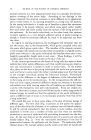
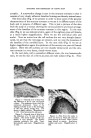
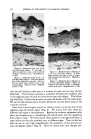
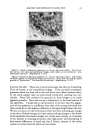
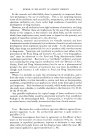
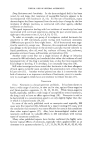
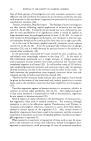
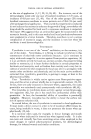
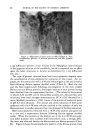
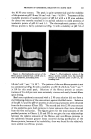
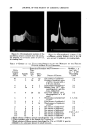
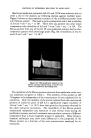
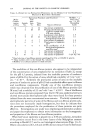
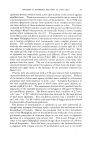
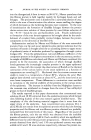
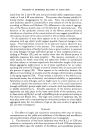
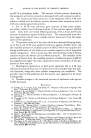
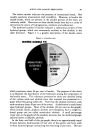
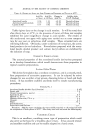
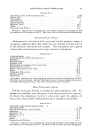
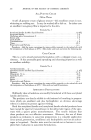
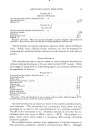
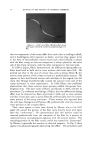
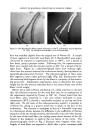
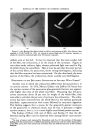
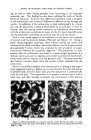
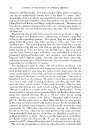
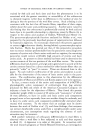
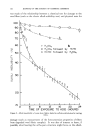
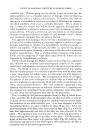
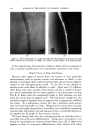
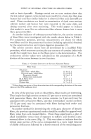
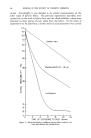
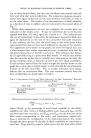
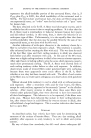
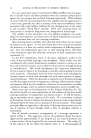
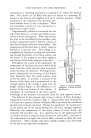
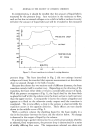
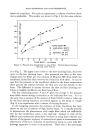
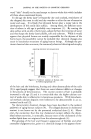
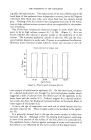
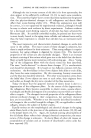
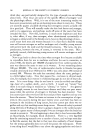
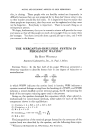
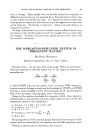
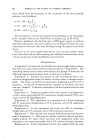
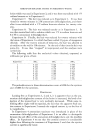
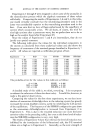
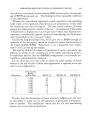
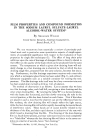
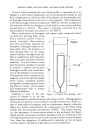
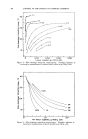
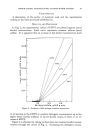
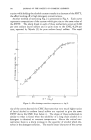
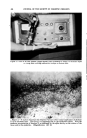
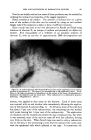
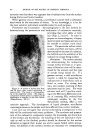
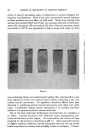
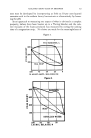
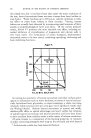
ANATOMY AND HISTOLOGY OF AGING SKIN 311 Figure 8.--Detail of abdominal epidermis of an 18 year old female subject. The cell out- lines are not very sharp and intercellular bridges, while visible, are not prominent. Iron- hematoxylin and eosin. Magnification X 1215. Figure 9.--Detail of abdominal epidermis of a 76 year old female subject. Cell outlines are clearly defined and intercellular bridges are prominent. These show very well the central granules or "desmosomes." Iron hematoxylin and eosin. Magnification X 1215. lined are the cells. These tiny structures between the cells are interesting. They are known as the intercellular bridges. They are small cytoplasmic processes which run from cell to cell and which carry fibers between them. In the senile subject they are particularly prominent, standing out very sharply. Pease (20) considers the granules on these bridges to be really pigment granules. Here also we see a lymphocyte in the basal portion of the epidermis. I would like to call attention to the fact that the appear- ance of this epidermis is so different from that of the young individual that there. would be not the slightest difficulty in distinguishing between the two. We are, of course, not the only persons who have been studying age changes in the skin of human beings, but these rather striking changes in the details of the epidermis have been brought out a little more sharply to us because of our interest in studying structures with high power and attempting to find minute differences of detail and also, I believe, because of the earlier studies on animal material which we have made.

312 JOURNAL OF THE SOCIETY OF COSMETIC CHEMISTS Now it is very significant in my opinion that there are these marked changes in the epidermis in the human skin with advancing age. It is very significant because the epidermis generally has been relegated to a some- what minor role in the skin changes. A great deal of emphasis has been based upon the condition of the underlying dermis and the condition of its fibers. Nex/ertheless, we have seen evidence within recent years of the great pliability of the epidermis. Goldzieher (12, 13) has made studies on the local action of hormones, particularly of the steroid hormones, upon the epidermis and has found that it is possible to change rather radically the microscopic appearance of the epidermis of older people. In our labora- tory we have made studies on experimental animals using particularly the female or estrogenic hormones and have obtained striking changes in the epidermis, including a considerable amount of cell proliferation. It seems to me that the structure of the epidermis, so different in the old from that seen in the young, may be of great importance for the general character of the skin and it is encouraging to know that such a tissue is so near to the surface as to be readily subject to treatment of various types. REFERENCES (1) Andrew, W., "Age Changes in the Skin ooe Wistar Institute Rats with Particular Reoeer- ence to the Epidermis,"/Ira. y./Inat., 89, 283 (1951). (2) Andrew, W., and Andrew, N. V., "Lymphocytes in Normal Epidermis ooe Young, Older Middle-aged and Senile Rats," 5 e. Gerontol., 9, 412 (1954). (3) Ceresa, F., "Trasformazioni del tegumento dell' uomo durante la vita fetale e post- natale. Metamorfosi senili,"/Irch. Ital./Inat. Embriol., 36, 101 (1937). (4) Cowdry, E. V., and Andrew, W., "Some Cytochemical and Cytologic Features of Senile Keratosis," 5 e. GerontoL, 5, 97 (1950). (5) Cowdry, E. V., Copper, Z. K., and Smith, W., "Program of Research on Aging of the Skin," 5 e. Gerontol., 2, 31 (1947). (6) Dick, J. C., "Observations on the Elastic Tissue of the Skin with a Note on the Reticular Layer at the Junction of the Dermis and Epidermis," 7-/inat., 81, 201 (1947). (7) Duran-Reynals, F., "Tissue Permeability and the Spreading Factors in Infection," Bact. Rev., 6, 197 (1942). (8) Ejiri, J., "Studien fiber die Histologie der menschlichen Haut. II Mitteilung. •ber die Alter--und GeschlechtoVerschiedenheiten der elastischen Fasern der Haut," yap. 7. Dermat. u. Urol., 40, 216 (1936). (9) Ejiri, J., "Studien fiber die Histologie der menschlichen Haut. III Mitteilung. •ber die regionaren und Altersunterschiede der verschiedenen Hautelemente mit besondere' Berucksichtigung der elastichen Fasern," •eap. •e. Dermat. u. Urol., 41, 8 (1937). (10) Ejiri, J., "Studien fiber die Histologie der menschlichen Haut. IV Mitteilung. (2ber das Wesen der Altersveranderungen der Haut," 5Cap. 7. Dermat. u. Urol., 41, 64 (1937). (11) Evans, R., Cowdry, E. V., and Neilson, P. E., "Aging in Human Skin. I. Influence of Derreal Shrinkage on Appearance of the Epidermis in Young and Old Fixed Tissue," /inat. Record, 86, 545 (1943). (12) Goldzieher, J. W., "Studies on Aging: Correlation of Skin Morphology with Age and Hormone Excretion," 7. GerontoL, 7, 47 (1952). (13) Goldzieher, J. W., "Local Action of Steroids on Senile Human Skin,"/Irch. Derm, atol. & Syphilol., 66, 304 (1952). (14) Hill, R., and Montgomery, H., "Regional Changes and Changes Caused by Age in the Normal Skin," 5 e. Investigative DermatoL, 3, 231 (1940). (15) Jordan, P., "Alter und Geschlecht in der Biologie der Haut. I. Systematische histo- logische Untersuchung normaler Haut (vorlaufige Mitteilung)," Dermatol. 14/ochenschr., 87, 1709 (1929). (16) Kierland, R. R., and O'Leary, P. A., "The Aging Skin," 5 e./Im. Geriat. $oc., 1, 679 (1953). (17) Kvorning, S. A., and Kirk, E., "Correlation Between Appearance of Skin and Skin Lipid Secretion in Middle-aged and Old Individuals," 7- GerontoL, 4, 113 (1949).
Purchased for the exclusive use of nofirst nolast (unknown)
From: SCC Media Library & Resource Center (library.scconline.org)