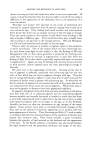
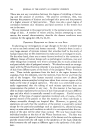
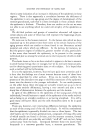
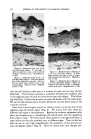
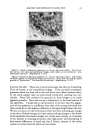
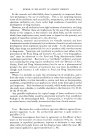
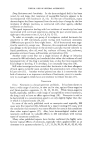
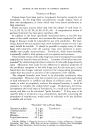
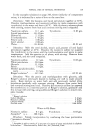
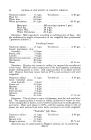
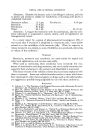
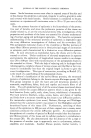
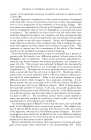
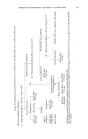
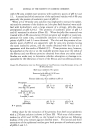
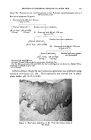
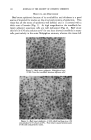
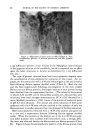
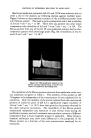
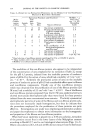
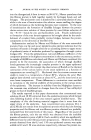
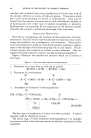
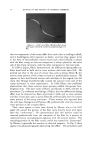
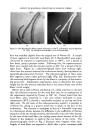
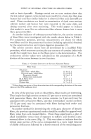
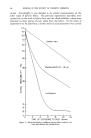
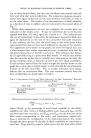
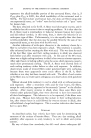
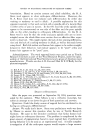
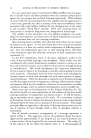
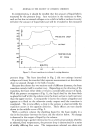
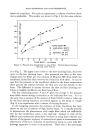
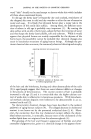
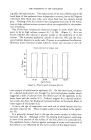
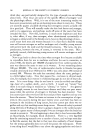
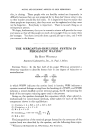
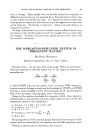
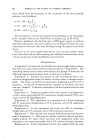
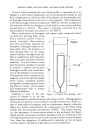
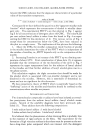
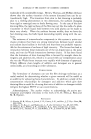
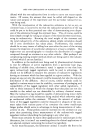
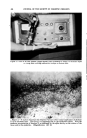
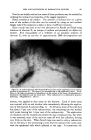
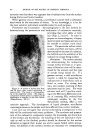
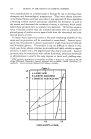
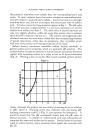
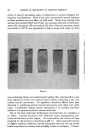
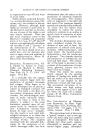
334 JOURNAL OF THE SOCIETY OF COSMETIC CHEMISTS Figtire 5.--High power of tipper strata (X 450) of Figure 4. Note keratohyaline granules of stratum granulosum and also pycnotic nuclei. x-ray diffraction pattern of hair follicles in the Malpighian layers because of the apparent solution of the tonofibrils, but this compound has no effect upon the latter structures in keratin as determined by x-ray diffraction (14,21). The type of protein obtained from beef snout epidermis depends upon the concentration of urea employed for extraction of this tissue. For ex- ample, the first extraction with a 6 M urea solution gave a clot and a murky fluid following dialysis against distilled water (Chart I). Both the clot and the fluid (supernatant following centrifugation of the clot) yielded fibrous and non-fibrous proteins, the largest amount of each protein having been obtained from the supernatant fraction. (The values for the proteins in Charts. I, II and III are for the purified proteins (17, 24) and they were calculated from total nitrogen determinations (N X 6.25) obtained by a micro Kjeldahl procedure.) Only traces of the protein of isoelectric point of pH 6.3 were obtained. The second and third extraction of beef snout epidermis with the 6 M urea solution resulted in the isolation of only the fibrous protein in smaller amounts than was obtained in the first extraction. Beef snout epidermis extracted with a 10 M urea solution also gave rise to a clot and a supernatant fraction following dialysis against distilled water. When the contents of the dialysis sac of the 6 or 10 M urea solu- tion (after dialysis) were acidified with hydrochloric acid, a stringy, jelly- like mass was obtained besides the fibrous and non-fibrous proteins (Chart II). Figure 6 shows the electrophoretic pattern of the fibrous protein from

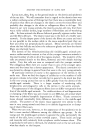
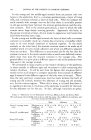
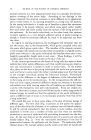
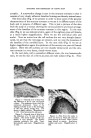
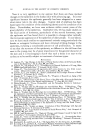
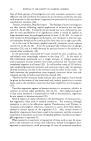
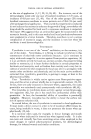
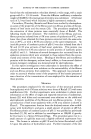
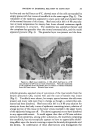
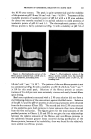
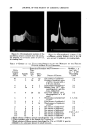
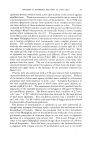
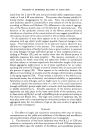
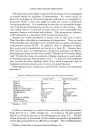
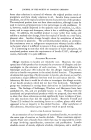
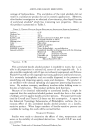
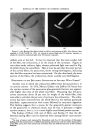
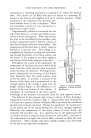
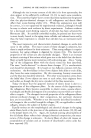
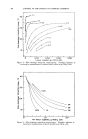
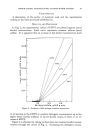
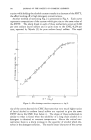
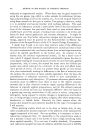
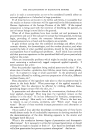
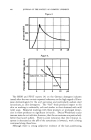
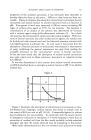
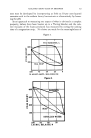
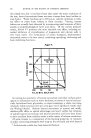
PROTEINS OF EPIDERMIS, RELATION TO AGING SKIN 335 the 10 M urea extract. The peak is quite symmetrical and the mobility of this protein at pH 7.0 was 3.4 cm. 2 volt -• sec. -• X 10 -•. Treatment of the insoluble proteins of isoelectric point of pH 6.3 with a 6 M urea solution for about two months resulted in its partial solution to yield proteins of isoelectric points of pH 4.5 and 5.5. The electrophoretic pattern of the fibrous protein is fairly symmetrical (Fig. 7) with a mobility at pH 7.0 of i Figure 6.--Electrophoretic pattern of the fibrous protein isolated from a 10 M urea ex- tract of epidermis, descending limb. Figure 7.--Electrophoretic pattern of the fibrous protein isolated from the insoluble proteins of isoelectric point of pH 6.3., de- scending limb. 5.0 cm? volt -x sec. -a X 10 -•. The pattern of the non-fibrous protein is not too symmetrical (Fig. 8) with a mobility at pH 7.0 of 4.9 cm? volt -a sec. -a X 10 • for this small peak. Solutions of the fibrous protein at concen- trations of 2 to 4.0 per cent were extremely viscous and easily formed fibers upon drying. Beef snout epidermis extracted with a 2 M urea solution did not form a clot following dialysis of the urea extract against distilled water. Isolation of the pH 5.5 and the pH 4.5 proteins in about equal amounts were obtained from the first extract (Chart III). The second and third 2 M urea extracts of the epidermis gave both proteins in lower amounts than were obtained from the first extraction. The figures given for the total amounts of the purified proteins in Charts I, II and III do not give the true relationships between the relative amounts of the fibrous and non-fibrous proteins in the epidermis because greater losses occurred during purification of the fibrous protein, because of its insolubility, than was found for the relatively more soluble non-fibrous protein.
Purchased for the exclusive use of nofirst nolast (unknown)
From: SCC Media Library & Resource Center (library.scconline.org)