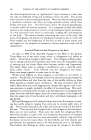
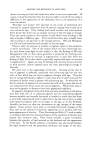
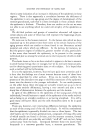
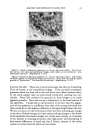
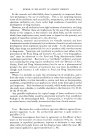
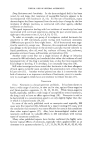
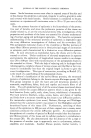
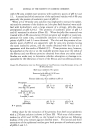
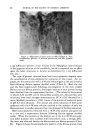
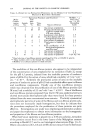
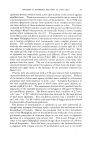
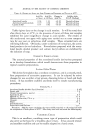
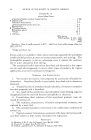
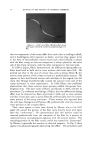
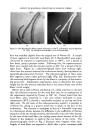
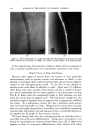
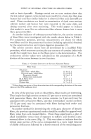
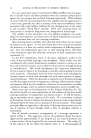
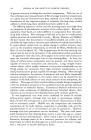
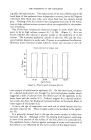
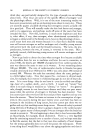
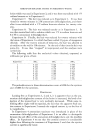
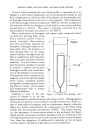
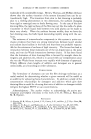
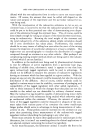
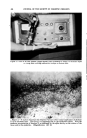
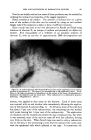
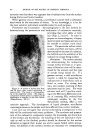
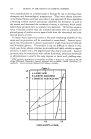
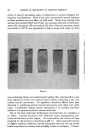
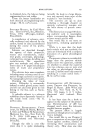
412 JOURNAl. OF THE SOCIETY OF COSMETIC CHEMISTS erties of lauroyl sarcosinate salts, of importance in aerosol shampoo for- mulation and elsewhere. Both dilute and concentrated neutral solutions of these products have no effect on mild steel. Strips from unlined steel aerosol cans partially filled with 10 per cent aqueous solutions of trierhanoi- amine (C), potassium (D) and sodium (E) salts of lauroyl sarcosine, stored one month at 140øF., are represented in Fig. 6, along with strips cut from Figure 6. cans containing 10 per cent sodium lauryl sulfate (A) specimen B is a test strip exposed to 8 per cent sodium lauryl sulfate containing 2 per cent sodium lauroyl sarcosinate. No significant beneficial effects have been observed in combining sodium lauroyl sarcosinate with alkyl aryl sulfo- nates. Incidentally, sodium lauroyl sarcosinate is an excellent corrosion inhibit or for aqueous alcohol in contact with steel. One of the most important performance characteristics of a shampoo is its lather. Lauroyl sarcosine, with relatively minor manipulation, per- forms satisfactorily in this respect. As noted earlier, the volume of foam produced by this product is maximum at pH 5.5. Alone and under neutral or slightly alkaline conditions, lauroyl sarcosinate does not rub out on the hands to produce the creamy foam so highly valued in shampoos. Creami-

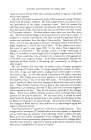
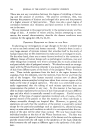
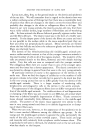
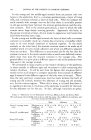
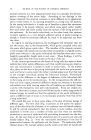
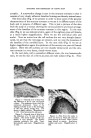
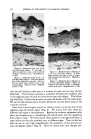
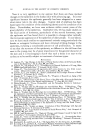
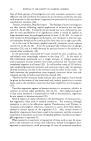
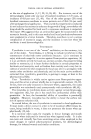
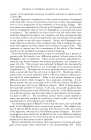
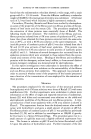
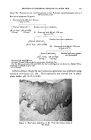
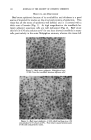
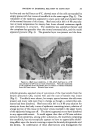
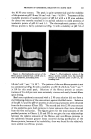
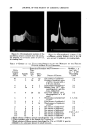
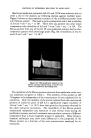
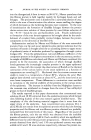
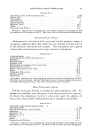
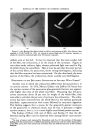
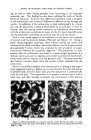
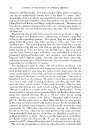
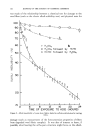
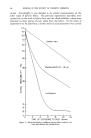
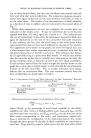
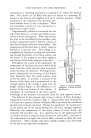
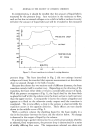
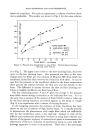
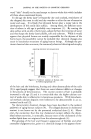
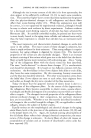
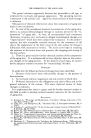
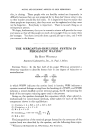
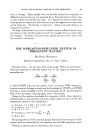
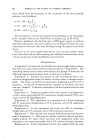
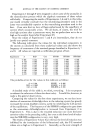
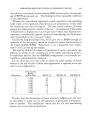
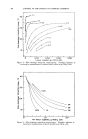
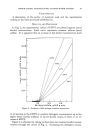
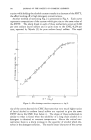
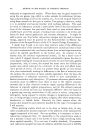
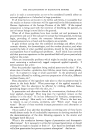
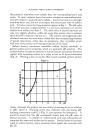
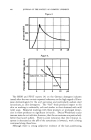
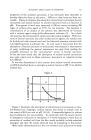
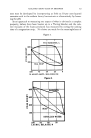
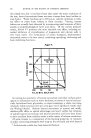
ACYLATED AMINO ACIDS IN SHAMPOOS 413 ness may be developed by incorporating as little as 10 per cent lauroyl safcosine acid in the sodium lauroyl sarcosinate or alternatively by lower- ing the pH. As an approach to measuring one aspect of what is obviously a complex property, lathers have been beaten up in a Waring blender and the rela- tive viscosity of the foams produced was measured by noting the sinking time of a magnesium strip. No claims are made for the meaningfulness of Figure 7. TEA-SABKOSYL L 300 •'• "'- • ß 200 •. 100 • I 100 75 50 25 0 % ALKYLABYL SULFONATE 400 ,100 200 1oo Figure 8. ,•••... SARKOSY• SOAP • DISTILLED •ATER 100 75 50 25 LAURYL SULFATE
Purchased for the exclusive use of nofirst nolast (unknown)
From: SCC Media Library & Resource Center (library.scconline.org)