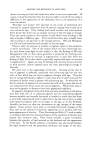
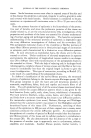
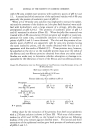
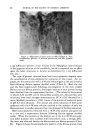
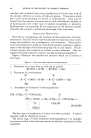
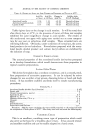
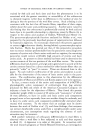
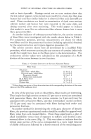
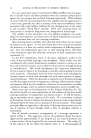
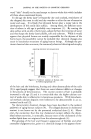
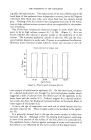
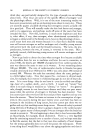
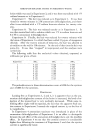
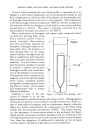
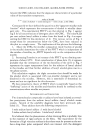
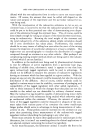
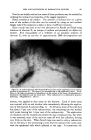
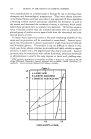
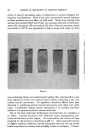
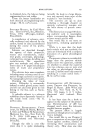
408 JOURNAL OF THE SOCIETY OF COSMETIC CHEMISTS were manufactured on a limited scale in Europe for use in shaving cream, shampoos and dermatological preparations. They were almost unknown in the United States until last year when it was reported (2) that a dentifrice containing sodium lauroyl sarcosinate inhibited the formation of acid in the mouth and decreased the incidence of caries, a discovery which estab- lished these products here as cosmetic raw materials. On further acquain- tance it became evident that the acylated safcosines were an unjustly ne- glected group of surface-active agents both from the theoretical and com- mercial points of view. In many ways, lauroyl safcosine is the most interesting member of this series and its properties will be considered in some detail. Lauroyl sarco- sinet may be prepared in almost quantitative yields from lauroyl chloride and N-methyl glycine. The product is not too difficult to obtain in rela- tively pure form, almost colorless, quite stable and highly soluble in organic solvents it melts only a few degrees lower than lauric acid itself. Lauroyl safcosine may be neutralized with sodium hydroxide, potassium hydroxide or alkylolamines in exactly the same manner as lauric acid, yielding soap- t The products described are commercially available as Sarkos¾1 L and Sarkos¾1 NL-100 (Geigy Ihdustrial Chemicals)--lauroyl safcosine and crystalline sodium sarcosinate, re- spectively. Coco¾1 safcosine (Sarkos¾1 LC) behaves similarly. pH 10 Figure 1. A LAURIC ACID B LAUROYL SARCOSINE - C DODECYL ACID SULFATE / 0.5 1.0 EQUIVALENTS of BASE

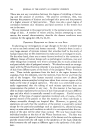
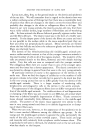
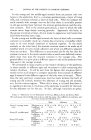
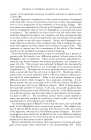
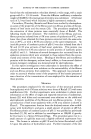
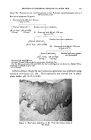
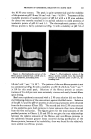
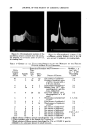
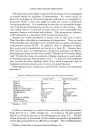
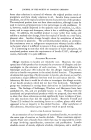
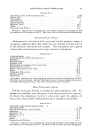
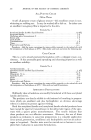
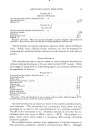
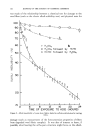
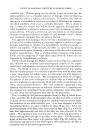
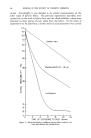
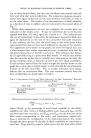
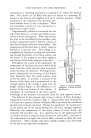
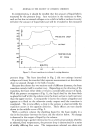
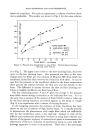
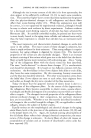
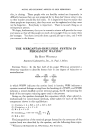
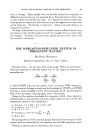
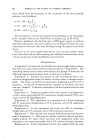
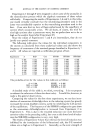
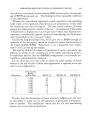
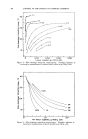
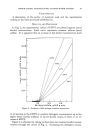
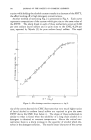
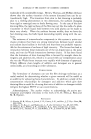
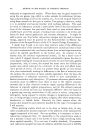
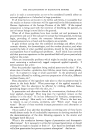
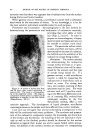
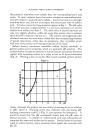
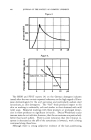
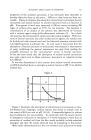
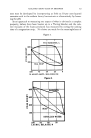
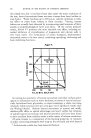
ACYLATED AMINO ACIDS IN SHAMPOOS 409 like products somewhat more soluble than the corresponding lauric acid soaps. In many respects lauroyl sarcosine occupies an intermediate posi- tion with respect to soap and ]auryl sulfate. Lauroyl safcosine is a stronger acid than lauric acid, but not as strong as the mono-lauryl ester of sulfuric acid. Titration curves for these materials appear in Fig. 1. The pKvalue for lauroyl sarcosine is approximately $.$, for lauric acid about 7.2 and for dodecyl acid sulfate, less than 3. The alkali salts of lauroyl safcosine are only very slightly alkaline unlike the soaps they remain clear in solution when the pH is reduced to as low as 5. The calcium and magnesium salts of lauroyl safcosine are more water soluble than the corresponding laurares of special importance--when they do precipitate--they crystallize nicely with none of the sticky curd forming tendencies of the soaps. Sodium lauroyl sarcosinate resembles sodium laurate markedly in general surface-active properties, which are peculiarly pH sensitive. The surface tension of aqueous solutions of sodium lauroyl sarcosinate decreases rapidly with increasing acidity to a value as low as 23 dynes/centimeter (Fig. 2). Wetting action on protein fiber (wool) parallels surface tension Figure 2 40 30 • o O " •35 20 • 30 ß • 25 10 5 6 7 8 9 10 pH closely, although the product has practically no wetting action on cellulose at pH's above 8. Foaming action also improves with decreasing pH, reaching a maximum at pH 5.5 (Fig. 3), also optimum for detergency. It would be noted that this pH corresponds closely with the pK value of lauroyl sarcosine. A complex of undissociated acid and carboxylate ion comprises the important surface-active species. Similar behavior has been noted in sodium laurate, where maximum foam height also coincides with pK (3).
Purchased for the exclusive use of nofirst nolast (unknown)
From: SCC Media Library & Resource Center (library.scconline.org)