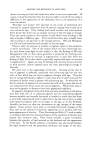
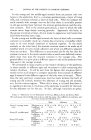
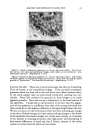
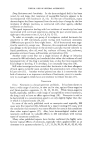
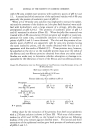
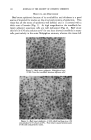
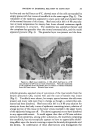
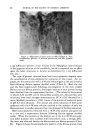
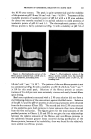
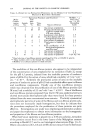
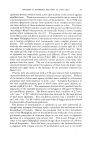
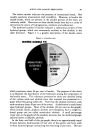
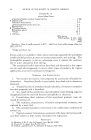
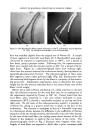
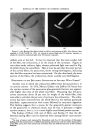
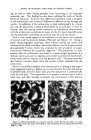
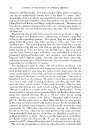
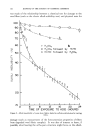
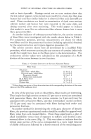
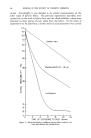
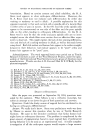
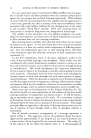
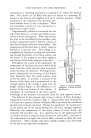
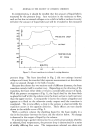
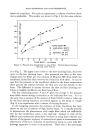
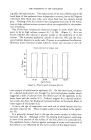
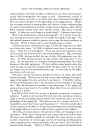
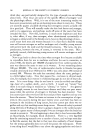
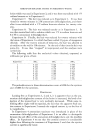
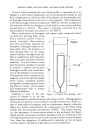
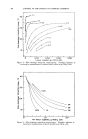
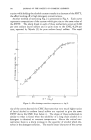
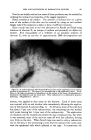
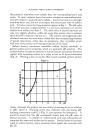
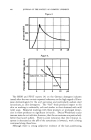
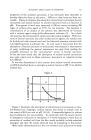
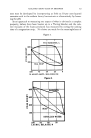
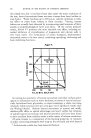
ACYLATED AMINO ACIDS IN SHAMPOOS 411 properties of the acylated sarcosines, it has obviously been desirable to develop objective data on this point. Efforts to date have not been suc- cessful. Figure 4 compares the adsorption characteristics of sodium lauroyl sarcosinate and sodium laurate on alcohol extracted wool as a function of pH. Four grams of wool were immersed in 100 ml. water containing 200 mgm. of surface-active agent at 25øC. for ten minutes. The decrease in concentration of an aliquot of the solution was determined by titration with a cationic agent using dichlorofluorescein indicator (5). As a check the wool may be extracted with alcohol and the residue weighed. With mix- tures of lauroyl sarcosine and other surface-active agents, the residue may be hydrolyzed with mineral acid and the liberated sarcosine titrated with 1,2-naphthoquinone 4-sulfonate (6). In such cases it was found that the adsorption of lauroyl sarcosine on wool protein was reduced in the presence of soap, confirming the general impressions one gets from reading the available literature on the "anti-enzyme" action of lauroyl sarcosine. It has also been found that the adsorption of sodium lauroyl sarcosinate was quite rapid even in dilute solutions desorption on repeated rinsing was difficult. It was also determined in this manner that sodium lauroyl sarcosinate at pH 6.8 adsorbed about as strongly as sodium laurate at pH 7.6 on alcohol washed skin. Figure 5. 1.0 .5 4 6 8 pH Figure $ illustrates the adsorption of sodium lauroyl sarcosinate on alco- hol-washed hair clippings sodium laurate was found to adsorb only to the extent of 0.05 per cent at pH 7.8-9.0. Comparable figures for sodium lauryl sulfate are not yet available. In connection with the recent interest in detergency evaluation of shampoos, it is worth keeping in mind that an extraction of residual soil from the hair would probably include adsorbed detergent and that the results obtained may be misleading to this extent. More easily demonstrated are the non-corrosive and anticorrosive prop-

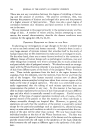
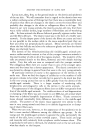
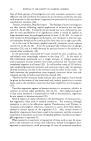
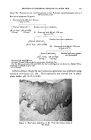
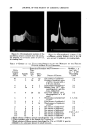
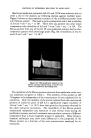
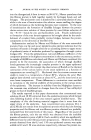
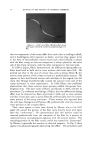
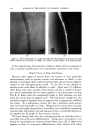
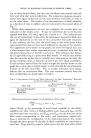
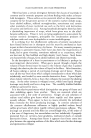
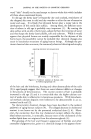
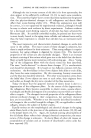
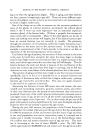
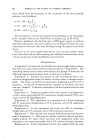
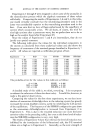
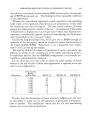
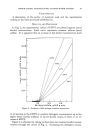
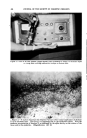
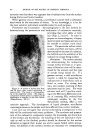
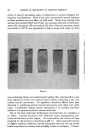
412 JOURNAl. OF THE SOCIETY OF COSMETIC CHEMISTS erties of lauroyl sarcosinate salts, of importance in aerosol shampoo for- mulation and elsewhere. Both dilute and concentrated neutral solutions of these products have no effect on mild steel. Strips from unlined steel aerosol cans partially filled with 10 per cent aqueous solutions of trierhanoi- amine (C), potassium (D) and sodium (E) salts of lauroyl sarcosine, stored one month at 140øF., are represented in Fig. 6, along with strips cut from Figure 6. cans containing 10 per cent sodium lauryl sulfate (A) specimen B is a test strip exposed to 8 per cent sodium lauryl sulfate containing 2 per cent sodium lauroyl sarcosinate. No significant beneficial effects have been observed in combining sodium lauroyl sarcosinate with alkyl aryl sulfo- nates. Incidentally, sodium lauroyl sarcosinate is an excellent corrosion inhibit or for aqueous alcohol in contact with steel. One of the most important performance characteristics of a shampoo is its lather. Lauroyl sarcosine, with relatively minor manipulation, per- forms satisfactorily in this respect. As noted earlier, the volume of foam produced by this product is maximum at pH 5.5. Alone and under neutral or slightly alkaline conditions, lauroyl sarcosinate does not rub out on the hands to produce the creamy foam so highly valued in shampoos. Creami-
Purchased for the exclusive use of nofirst nolast (unknown)
From: SCC Media Library & Resource Center (library.scconline.org)