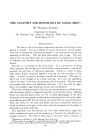
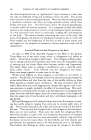
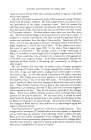
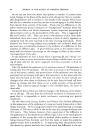
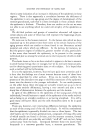
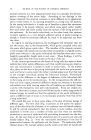
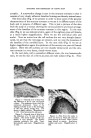
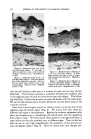
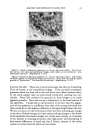
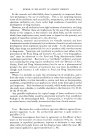
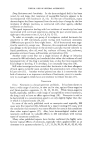
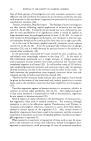
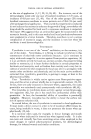
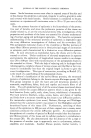
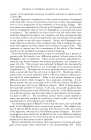
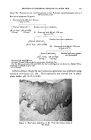
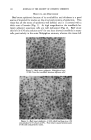
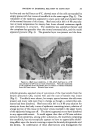
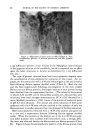
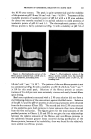
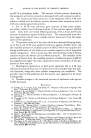
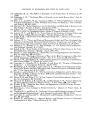
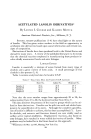
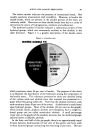
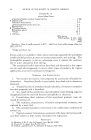
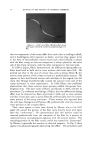
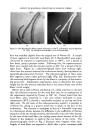
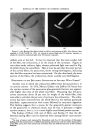
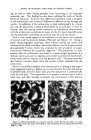
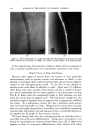
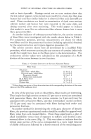
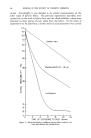
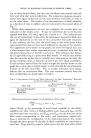
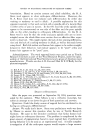
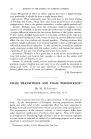
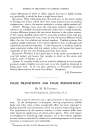
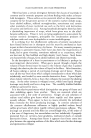
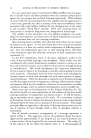
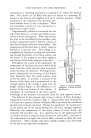
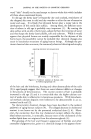
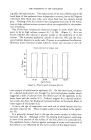
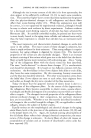
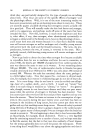
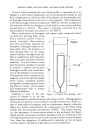
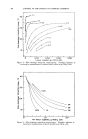
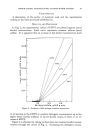
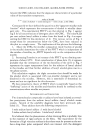
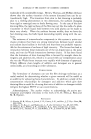
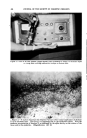
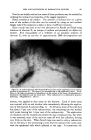
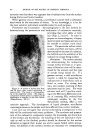
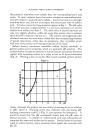
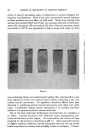
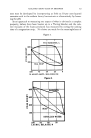
PROTEINS OF EPIDERMIS, RELATION TO AGING SKIN 333 for five and one-half hours at 0øC. showed most of the cells surrounded by empty spaces with but traces of tonofibrils in the same region (Fig. 3). The remainder of the epidermis appeared to stain quite well and showed most of the normal features of this tissue. Beef snout skin left in 6 M urea solu- tion at room temperature for twenty-four hours showed numerous signifi- cant alterations in structure. The epidermis was somewhat thinner and the cytoplasm less granular than the normal untreated skin, and the nuclei appeared pycnotic (Fig. 4). The granular layer was present and the kera- Figure 4.--Beef snout epidermis, X 100, which had been in a 6 M urea solution for 24 hours at room temperature. Note the separation of the epidermis from the dermis due to solution of cellular materials from the lower strata. Keratin layer intact. tohyalin granules, assumed sites of conversion of the true keratin from the keratin precursors (26), stained well and the coat of keratin was intact (Fig. 5). Tonofibrils were absent, but empty spaces between the cells were present and many cells were free in clumps as though a cement-like sub- stance had been dissolved. Beef snout skin left in a 6 M urea solution for ninety-six hours had only traces of epidermis remaining intact solution of a large portion of this tissue in the lower strata resulted in the upper layers of the epidermis being cast off. The dermis appeared not to have dissolved to any appreciable extent. It would appear then that a 6 M urea solution extracts from epidermis, among other substances, the materials composing the tonofibrils, but microscopically appears to have no appreciable solubil- izing effect upon the keratin covering or upon the keratohyalin granules and the dermis. In confirmation of these observations urea disorganizes the

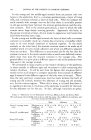
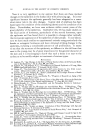
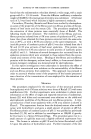
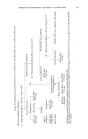
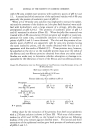
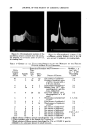
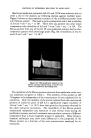
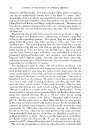
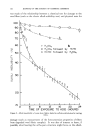
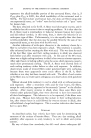
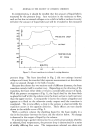
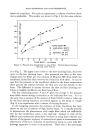
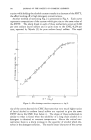
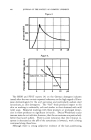
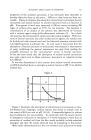
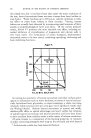
334 JOURNAL OF THE SOCIETY OF COSMETIC CHEMISTS Figtire 5.--High power of tipper strata (X 450) of Figure 4. Note keratohyaline granules of stratum granulosum and also pycnotic nuclei. x-ray diffraction pattern of hair follicles in the Malpighian layers because of the apparent solution of the tonofibrils, but this compound has no effect upon the latter structures in keratin as determined by x-ray diffraction (14,21). The type of protein obtained from beef snout epidermis depends upon the concentration of urea employed for extraction of this tissue. For ex- ample, the first extraction with a 6 M urea solution gave a clot and a murky fluid following dialysis against distilled water (Chart I). Both the clot and the fluid (supernatant following centrifugation of the clot) yielded fibrous and non-fibrous proteins, the largest amount of each protein having been obtained from the supernatant fraction. (The values for the proteins in Charts. I, II and III are for the purified proteins (17, 24) and they were calculated from total nitrogen determinations (N X 6.25) obtained by a micro Kjeldahl procedure.) Only traces of the protein of isoelectric point of pH 6.3 were obtained. The second and third extraction of beef snout epidermis with the 6 M urea solution resulted in the isolation of only the fibrous protein in smaller amounts than was obtained in the first extraction. Beef snout epidermis extracted with a 10 M urea solution also gave rise to a clot and a supernatant fraction following dialysis against distilled water. When the contents of the dialysis sac of the 6 or 10 M urea solu- tion (after dialysis) were acidified with hydrochloric acid, a stringy, jelly- like mass was obtained besides the fibrous and non-fibrous proteins (Chart II). Figure 6 shows the electrophoretic pattern of the fibrous protein from
Purchased for the exclusive use of nofirst nolast (unknown)
From: SCC Media Library & Resource Center (library.scconline.org)