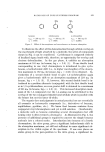
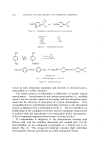
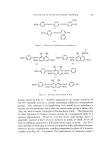
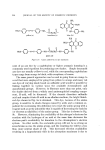
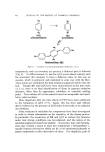
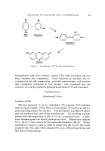
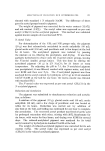
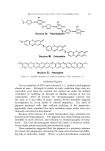
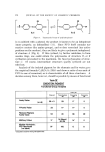
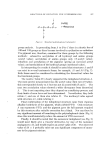
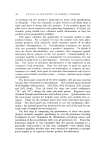
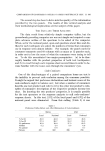
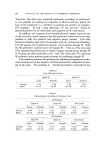
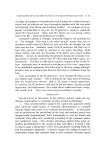
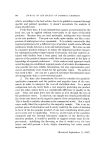
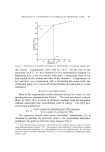
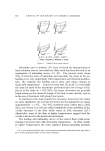
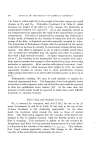
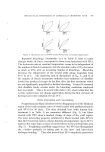
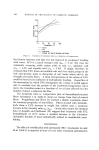
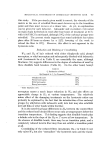
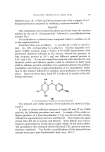
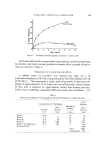
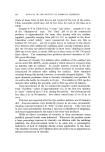
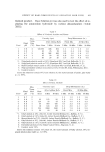
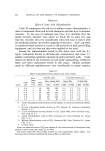
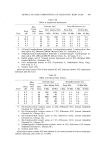
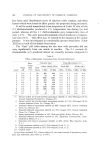
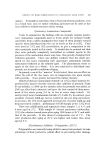
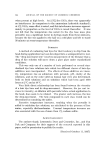
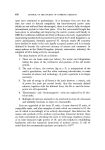
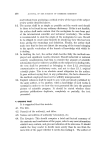
362 JOURNAL OF THE SOCIETY OF COSMETIC CHEMISTS NH 2 NH 2 PPD p-Phenylenediamine ), NH 2 NH 2 NH NH QDI Quinonediimine N -•'•'- NH2 Bandrowski Base (BB) Figure 1. Oxidation of p-phenylenediamine (Erdmann Cox) components, such as resorcinol, are present, a different path is followed (Fig. 2). No BB is formed (4), but the QDI reacts almost entirdy with the resorcinol (for example) to form a different azine, in this case an oxazine, which is polymeric and combined in some way with the fiber. These azines are considered the final oxidation pigments which color the hair. Though BB and QDI have been characterized in the pure state (2, 6, 6), there is no firm identification of them in aqueous oxidation mixtures, other than by appearance, solubility, or (variable) melting point. The evidence of Cox for azines is based on nonspecific and quali- tative color reactions. More important still, the toxic effects of PPD have been attributed to the formation of QDI (7-9). Again, this has been said without direct evidence for the presence of QDI either in the body or in oxidation dye solutions. Some reactions of oxidation dye components have been investigated in order to obtain information on the chemistry of the dyeing process. In particular, the occurrence of BB and QDI in various dye mixtures under hair dyeing conditions was investigated, and the nature of the oxidation pigments formed was studied. In practice, hair color formula- tions may contain a dozen or more dye components ("intermediates"), usually benzene derivatives which are di- or tri-substituted phenolic or amino compounds or nitro derivatives of these. For simplicity, pairs of

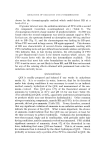
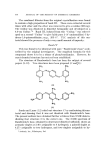
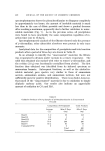
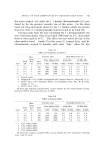
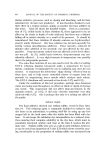
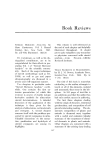
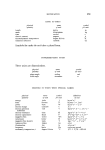
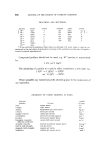
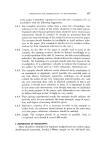
REACTIONS OF OXIDATION DYE INTERMEDIATES NH Resorcinol Indophenol H2N • 0 •0 Oxazine Figure 2. Co-oxidation of PPD and resorcinol (Cox) 363 intermediates only were studied, usually PPD with resorcinol, the two most common dye components. Their behavior in solution was in- vestigated at the pH, temperature, peroxide concentration, and reaction time commonly employed in hair dyeing. Also examined was the structure of a simple oxidation pigment made from PPD and resorcinol. EXPERIMENTAL Bandrowski' s Base Synthesis of BB BB was prepared (2, 3) by oxidizing a 2% aqueous PPD solution with an equal volume of 6% H202 in the presence of Na2CO• at pH 9.5 and room temperature for one day. The precipitate was filtered, dried, and recrystallized four times from nitrobenzene. The resulting crystals melted with decomposition at 243-4.5 øC in a preheated bath. A thin- layer chromatogram (see below) showed one band. Elementary analysis for C, H, N, O was correct for the molecular formula C•sH•sN6. Either ammonia or Na2CO3 could be used to adjust the pH to 9.5 the crude products were the same when compared by m.p., infrared spectrum, and thin-layer chromatogram.
Purchased for the exclusive use of nofirst nolast (unknown)
From: SCC Media Library & Resource Center (library.scconline.org)