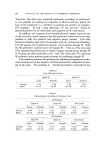
J. Soc. Cosmetic Chemists, 19, 423-445 (May 27, 1968) Effect of Base Components on the Properties of Oxidation Hair Dyes ROBERT L. GOLDEMBERG, B.S.,* and HAROLD H. TUCKER, Ph.D.$ Presented September 21, 1967, Seminar, Chicago Synopsis--Ten classes of additives were studied for their effect on pH, temperature rise, viscosity, and "drop-movement" of oxidation hair dyes. Included in the study were alkanol- amides, esters, fatty alcohols, ethoxylated fatty alcohols and amine oxides, amphoteric and cationic surfactants, fatty amines, alkanolamines, polypeptides, EDTA, and sodium sulfite. A description of the newly devised "drop-movement test" is provided, plus a discussion of its correlation to viscosity. INTRODUCTION The purpose of this paper is to examine the role and effects of a number of additives commonly used in oxidation hair dye bases. Such additives are used for the purposes of: thickening the hair dye base, either initially or upon admixture with peroxide solutions, so that it does not drip when applied providing easier application to the hair con- trolling the pH, penetration, levelness, and other factors directly con- nected with dye uptake providing sheen, strength, or added body to the hair itself or preserving the efficacy of the hair dye when stored for long periods of time. Although the "shampoo in" oxidation dye has been considered a recent development, Kritchevsky (1) described its use in a U.S. patent issued in 1928. He incorporated 5% oxidation dye plus 10% ethylene * Van Dyk & Co., Belleville, N.J. 07109. } Lowenstein Dyes & Cosmetics, Inc., Brooklyn, N. ¾. 423

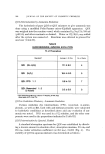
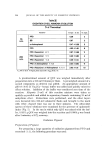
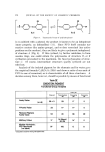
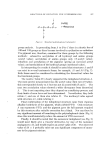
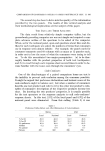
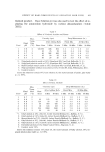
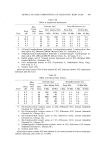
424 JOURNAL OF THE SOCIETY OF COSMETIC CHEMISTS glycol in a solid soap. Oleic acid is a major ingredient in many of today's commercial dye base solutions, often used in amounts up to 30- 35% (2, 3). The alkalizing agent most frequently used is ammonium hydroxide, but triethanolamine is also recommended by some (4, 5). Other suggested additives include isopropanol, propylene glycol, fatty acid alkanolamides, fatty acid esters, fatty alcohols, ethoxylated fatty alcohols, tertiary amines, quaternary ammonium compounds, and so- dium sulfite. Ten general classes of dye base additives have been studied for their effects on viscosity of the base for temperature rise on admixture of the base with peroxide for their effects on pH for color yield on hair swatches and for each of these factors repeated after prolonged stability testing. A black oxidation dye fusion (Table I) was used for all tests since black shades require the maximum concentration of dye, a factor often associated with viscosity and shelf-life problems, and with occasional undesirable temperature rises upon admixture with peroxide. METHODS Temperature Rise It has been observed in a number of laboratories that the darker shades of oxidation hair dyes will sometimes heat up considerably upon admixture with hydrogen peroxide solutions, the usual preliminary step before application to the hair. The fact that this effect is not universal shows that dye concentration is only one of several factors involved. A simple test was devised for measuring this temperature-rise effect, one related to actual practice in using commercial oxidation hair dyes. A standardized container was loaded with 50 g of black hair dye and its temperature measured. Then 50 g of 20 vol hydrogen peroxide (or whatever oxidizer was provided in the case of commercial preparations) Table I Composition of Fusion 4245 (Black Shade Oxidation Dye) G/100 cc % Base Solution p-Phenylenediamine 70.0 1.40 Resorcinol 10.0 0.20 Pyrogallic acid 4.0 0.08 o-Aminophenol 10.0 0.20 2,4-Diamino anisole 6.0 0.12 100.0 2.00
Purchased for the exclusive use of nofirst nolast (unknown)
From: SCC Media Library & Resource Center (library.scconline.org)