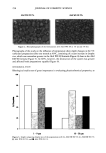
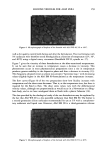
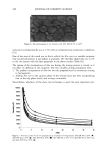
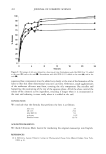
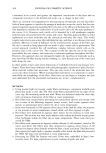
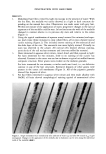
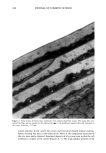
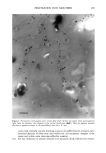
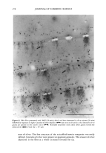
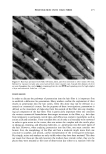
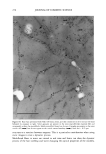
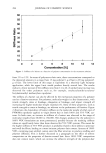
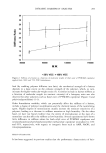
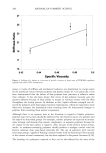
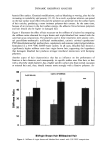
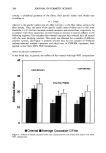
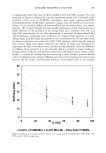
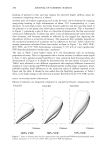
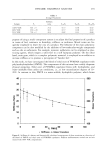
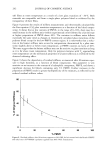
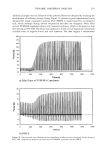
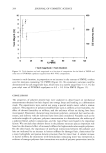
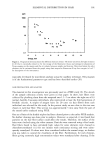
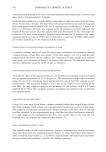
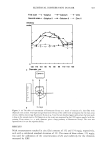
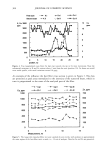
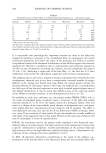
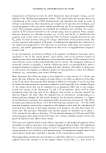
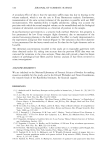
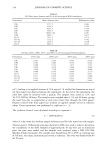
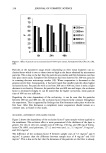
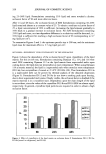
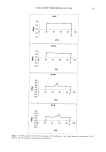
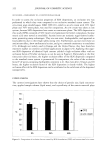
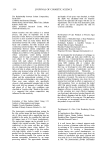
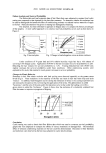
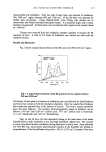
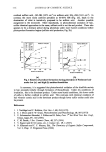
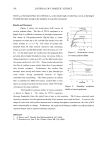
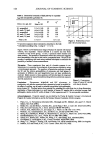
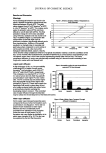
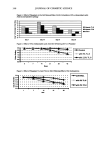
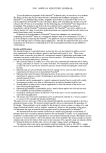
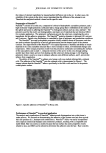
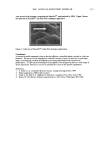
348 JOURNAL OF COSMETIC SCIENCE Figure 3. Effect of Polyesters on the Cell Renewal Rate of AHA Formulations (10% undissociated Lactic Acid) via Comparative Cytology eN 12 • 10 (,.) 8 ._c: 6• • 4• e• 2-- c• 0 '• -2 [] Polyester TL-8 ß Polyester TC-8 ß Control Day 7 Day 14 Day 21 Day 28 Figure 4. Effect of 10% Undissociated Lactic Acid Skin Whitening with TL-8 Polyester t.5 t.I) .... I).5 0.0 0 7 14 21 28 42 Days -'e--Control with 5% TL-8 --•'-with 2.5% TL-8 Figure 5. Effect of Polyesters TL-8 and TC-8 on Skin Whitening Effect of 2% Hydroquinone 3.0 '1.5 0.5 0.0 I 7 14 21 28 '"e"'CONTROL with 5% TL-8 '-•"with 5% TC-8 DAY

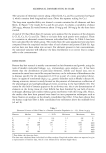
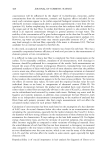
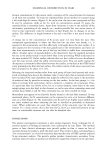
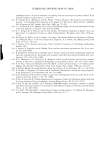
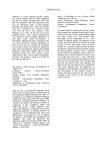
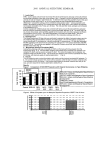
2001 ANNUAL SCIENTIFIC SEMINAR 349 Figure 6. Effect of Polyester TL-8 on Magnesium Ascorbyl Phosphate (MAP) Skin Whitening 0.5 01 ..... 0 7 14 21 28 '-e'-Control- 10% MAP I •5% MAP + 2.5% TL-8 '"'•--3% MAP + 2.5% TL-8 Days Figure 7. Effect of Polyester TL-8 on Skin Whitening Effect of Arbutin 3 7 14 21 28 Days '-e'-Control 10%Arbutin ........ 5% Arbutin and 2.5% TL-8 .' I References: 1. T. Ghosh and W. Pfister, Transdermal and Topical Delivery Systems: An Overview and Future Trends in Transdermal and Topical Drug Delivery Systems, T. Ghosh and W. Pfister, eds. Buffalo Grove, IL Interpharm Press (1997) p. 7. 2. M. Reiger. Factors Affecting Sorption of Topically Applied Substances, in Skin Permeation Fundamentals and Applications, J. Zatz, ed, Wheaton. IL: Allured Publishing Corp. (1993) p. 70. Chapter 2. 3. G. Kenney, A. Sakr, J. Lichtin. H. Chou and R. Bronough. In Vitro Skin Absorption and Metabolism of Padimate-O and Nitrosamine Formed in Padimate-O Containing Cosmetic Products, J Soc Cosmet Chem 46 (2) 117-127 (1995). 4. T. Carpenter. A. Howe. A. O'Connor, J. Orfanelli. R. Siegfried, Protection From Sun Protectors, DC1158 (3) 56- 59, 100-101 (1996). 5. T. Franz. P. Lehman, E. McGuire. In Vivo Methods for the Assessment of Percutaneous Absorption in Man, in Skin Permeation Fundamentals and Applications, J. Zatz. ed, Wheaton, IL: Allured Publishing Corp. (1993) pp 84-85. Discussion: The results from both studies indicate that high molecular weight, cross-linked polyesters are most effective at mitigating skin penetration of actives. By incorporating such polyesters into formulations containing actives that require distribution within the uppermost layers of the SC. the actives performance can be optimized. Deleterious effects attributed to further penetration of these actives into the viable dermis can also be avoided. Distribution of Actives in Lower Layers of the Stratum Comeum - Effect of Polyesters with Lactic Acid, Hydroquinone, Magnesium Ascorbyl Phosphate, and Arbutin. Lactic acid is reported to have activity as an exfoliant to enhance desquamation, but also as a skin lightening active. The incorporation of specifically designed polyesters with formulations containing lactic acid enhanced performance in both applications. The improvement in perceptible skin lightening effect contributed by inclusion of polyester TL-8 (hydroxyl terminated, 800 MW), was concentration-independent at between 2.5 and 5.0% concentration. The more polar, TL-8 polyester was shown to be significantly more effective than the less polar. fatty alkyl terminated polyester TC-8, in the study conducted with hydroquinone, The studies conducted with formulations containing 2.5% polyester TL-8 in combination with MAP and arbutin both compared lower concentration of active ingredient with polyester to significanfiy greater levels of the respective active ingredients in the control formulations. Low molecular weight linear polar poiyesters offer delivery strategy for water- soluble skin lightening actives, which can permit formulators to significantly reduce the concentration of active ingredients. reduce cost and irritation potential, while maintaining a high level of perceptible clinical performance.
Purchased for the exclusive use of nofirst nolast (unknown)
From: SCC Media Library & Resource Center (library.scconline.org)