356 JOURNAL OF COSMETIC SCIENCE distributed in Korea. The stem and root bark of this species have been used in traditional oriental medicine for the treatment of edema, mastitis, gastric cancer, and inflammation (1,2). It was reported that ( + )-catechin and catechin glycoside were isolated from the U !mus davidiana and named uldvioside A (3 ). Isoquercetin and rut in were isolated from the leaves of Ulmus parvifolia and identified by chemical and spectral analysis (4), and Moon and Rim (5) isolated sterols, sterol glucoside, and catechin glycoside from the bark of U !mus parvifolia. Studies of the pharmacological activities of U lmus davidiana have reported that the cortex of Ulmus davidiana elicits a remarkable inhibition effect of a HCl-ethanol-induced gastric lesion, Shay ulceration, and gastric secretion (6). It also induces carbuncle anal gesic activity and anti-inflammatory activities of methanol or water extract (7 ,8), anti neoplastic activity (9), and antioxidative activity of phenolic compounds from barks of U !mus macrocarpa ( 10). There are five requisites for a good moisturizing agent in cosmetic products: proper hygroscopic properties, good affinity for the skin, safety for the skin, hygroscopic prop erties that are less affected by changes in the environment, and ease of use and mixing when blended with other ingredients in cosmetics. The most commonly used moisturizing agents worldwide are polyols such as glycerine, propylene glycol, and butylenes glycol natural moisturizing factors (NMF) such as amino acid, sodium pyrrolidone carboxylate, and sodium lactate and bio-polymers such as sodium hyaluronate, chondrotin sulphate, and chitosan. Even though some of these chemicals have an excellent moisturizing effect, the use of these moisturizing agents still carries some potential risks, including contamination or infection due to chemicals or their origin when used in excessive amounts. To investigate the potential for pol ysaccharide extract from U lmus davidiana var. japonica as a cosmetic ingredient in this study, we isolated the polysaccharides and measured the moisturizing effect, photo-induced cytotoxicity, and anti-inflammatory effect of the extract. The polysaccharide obtained from Ulmus davidiana root extract showed negli gible cytotoxicity, good skin hydration profiles, and anti-inflammatory effects, suggest ing its usefulness for application as a cosmetic ingredient. MATERIALS AND METHODS REAGENTS The root bark of U lmus davidiana var. japonica was purchased from Kyungdong Oriental Herbal Market (Seoul, South Korea) and cut into pieces prior to use. All reagents were purchased from Aldrich (St. Louis, MO). Other commercially available reagents and solvents were used as received. CELL CULTURE Normal human fibroblast cells were purchased from American Type Culture Collection (ATCC). Cells were cultured in DMEM containing 10% FBS and 10% antibiotics at 37 ° C and humidified with 5% CO 2 • The cells were subcultured with 0.05% typsin-0.53 mM EDTA every two or three days, subsequent to the replacement of fresh medium.

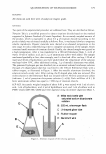
U. DA VIVIANA EXTRACTS IN COSMETICS 357 EXTRACTION AND ISOLATION The air-dried bark of the roots of V lmus davidiana (l kg) were cut into pieces and extracted with distilled water (30 kg) for 24 h at 90°C. After filtration through a 400-mesh filter cloth, it was precipitated into EtOH (22 kg) and filtered with filter paper (Whatman, No. 5 ). White powder (105 g) was obtained. The obtained white powder was then dissolved with water and filtered with 0.45 µm cartridge paper. The filtrate was reprecipitated into EtOH, and white powder (60 g) was again obtained. MEASUREMENT OF WATER LOSS IN A DESICCATOR The preweighed sample (10 g) in a chamber (50 x 20 mm) was placed in a desiccator (240 x 130 x 220 mm) that maintained relative humidity at 15% and 55%, respec tively, using silica gel blue and saturated MgC12 solution at 3 7 ° C, followed by reweigh ing at regular intervals. The water loss was considered to be the ratio between the hydrated and dry weights of the samples. The percentage of an evaporation rate was calculated as:. Evaporation(%) = {(W0 - Wt) / W0 } x 100 where W0 is the initial sample weight of the sample or formulation (g), and W e is the sample weight of the sample or formulation at each hour (g). MOISTURIZING EFFECT ON SKIN USING A CORNEOMETER (11) A skin hydration reading of each sample was recorded using a Corneometer CM820 (Courage Khazaka, West Germany). This equipment consists of a recording device and impedance probe that measures electrical conductivity on the skin surface. Capacitance refers to the quantity of electric changes stored, and thus capacitance is proportional to the amount of water in the skin, a factor that is commonly referred to as skin hydration. Simply put, the higher the level of skin moisture, the stronger the observed conductance signal will be (11). Baseline values of ten female volunteers aged 22-3 7 years were taken using 40-mm-diameter-circle test areas on the right and left forearms. These panelists remained at rest in a room at 20°-25°C and 45-55% relative humidity for the duration of the test. Each designated area was then treated with five different test formulations of 0.05 ml/circle. A conductance % was calculated using the following formula: Conductance % = {(A - B) / A} x 100 where A is the corneometer value before sample treatment, and B is the corneometer value after sample treatment. TEWL MEASUREMENT (12) A group of female volunteers, of ages ranging from 22 to 3 7 years, were recruited. Each of the volunteers was familiarized with the transepidermal water loss (TEWL) technique so as to reduce any emotional stress associated with the test procedure. Additionally, the volunteers were asked to shave 24 h before the test and to avoid intake of foods or drinks containing high levels of stimulatory caffeine. fo an attempt to eliminate any artificial
Purchased for the exclusive use of nofirst nolast (unknown)
From: SCC Media Library & Resource Center (library.scconline.org)