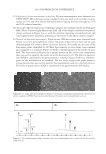
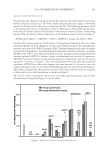
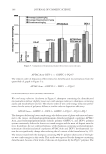
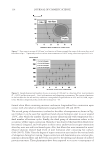
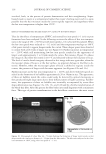
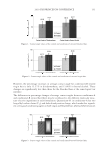
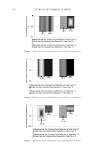
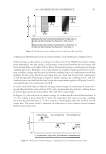
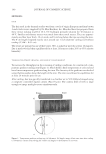
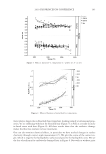
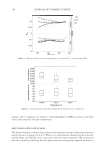
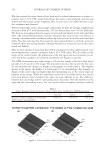
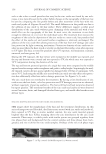
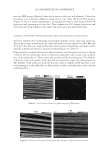
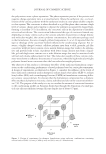
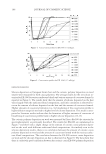
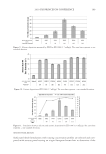
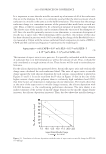
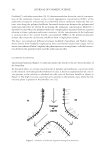
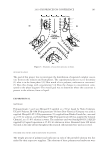
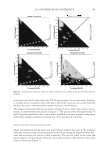
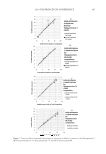
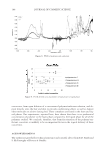
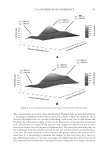
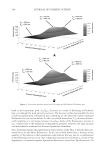
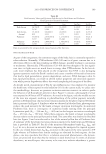
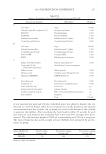
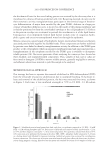
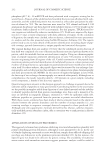
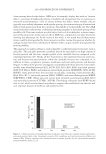
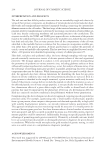
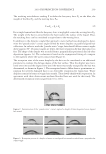
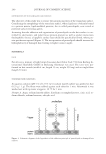
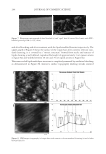
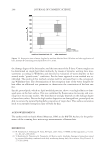
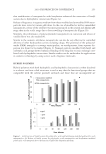
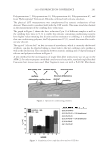
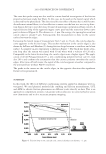
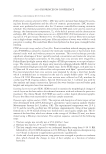
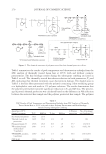
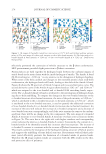
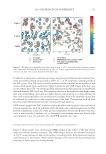
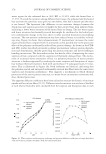
JOURNAL OF COSMETIC SCIENCE 184 used as is, except for the Polyquaternium-10, which was provided as a solid. In this case a 1% solution was prepared in DI water prior to experimentation. PREPARATION OF PSEUDO-PHASE DIAGRAMS Polymer solutions were prepared of 2% Polyquaternium-7, 0.5% Polyquaternium-10, 2% Polyquaternium-76, and 2% Polyquaternium-88. A 15% solution of SLE2S was also prepared. Using a combinatorial liquid handler, 136 different combinations of polymer and surfactant concentrations were prepared in microwells, using only one polymer at a time. The absorbance of each sample was determined using a Tecan UV-Vis spectropho- tometer at the maximum absorbance wavelength, which occurred at 600 nm for each of the plates. 10 scans were obtained at different locations within each well to detect the presence and to estimate the approximate amount of coacervate present. Solutions of 0.5% polymer and 15% SLE2S were prepared using polymers, Polyquater- nium-7, Polyquaternium-10, Polyquaternium-76, and Polyquaternium-88. These solu- tions were used as the stock solutions throughout this project. Each of the stock solutions was diluted using a stock solution to water ratio of 9:1, 4:1, 7:3, 3:2, 1:1, 2:3, 3:7, 1:4, and 1:9. The dilution path was plotted on each phases diagram. A Nikon Optiphot2-Pol polarizing microscope with a Kodak DSC 290 Zoom Digital Camera attachment was used to capture images of the foam prepared upon shaking the Polymer/surfactant dilutions. Samples were prepared by shaking the scintillation vials containing each of the dilutions using a Vortex Genie 2 Shaker for three minutes to form a foam layer. The foam and liquid phases were each placed in an oven at 80°C for 4 hours. The percent solids was determined from the dry weight for each sample. POWDER FT-IR SPECTROSCOPY A Nicolet 6700 FT-IR with a diamond ATR probe was used with a resolution of 2 cm-1 at 32 scans per sample. Spectra were determined for each of the dried foam and liquid phases, as well as dried samples of the polymer solutions and surfactant solution. OMNIC software was used to compile and compare the data. RESULTS AND DISCUSSION PSEUDO–PHASE DIAGRAMS Phase behaviors of the polymer/surfactant/water systems were plotted on composition maps as pseudo-phase diagrams, shown in Figure 5. The dilution lines for each poymer are shown in the phase diagrams of Figure 5. It is important to note here, however, that there are limitations with this method when the coacervate is not homogeneously dispersed within the composition, or when it does not separate as a distinct layer. For each of these polymers, there were instances in which coacervate was observed visually to adhere to the side of the well. In these cases the

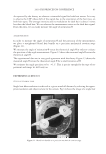
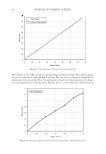
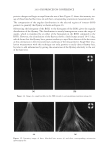
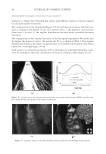
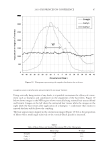
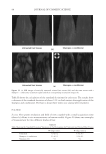
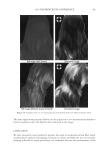
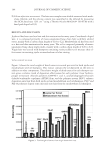
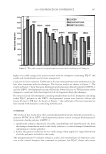
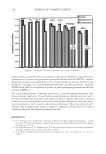
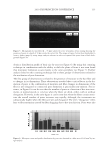
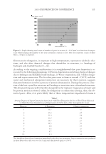
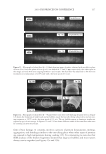
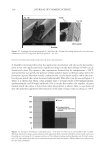
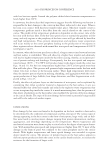
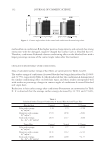
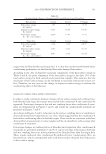
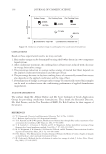
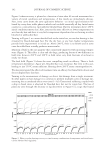
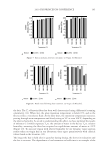
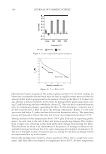
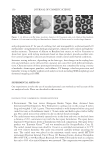
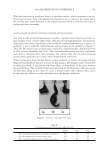
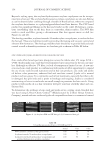
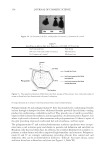
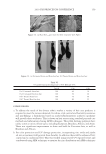
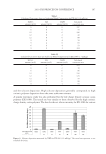
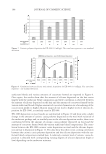
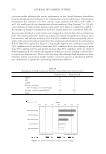
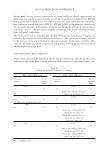
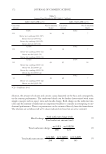
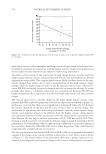
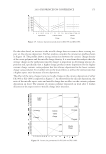
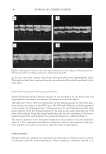
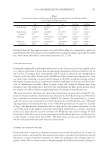
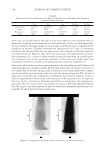
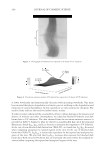
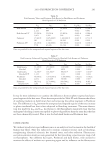
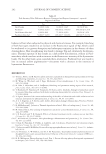
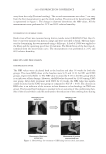
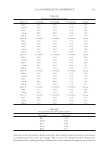
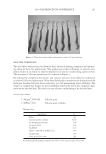
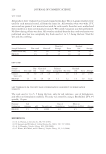
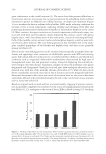
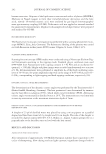
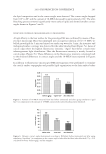
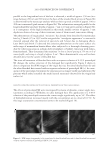
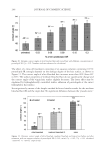
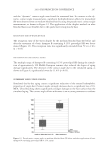
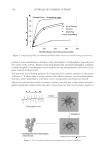
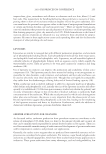
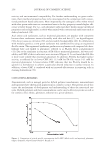
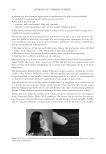
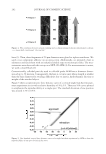
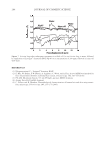
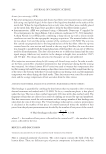
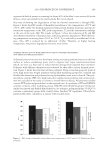
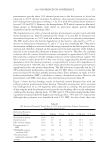
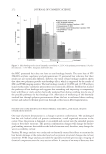
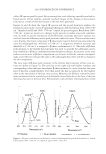
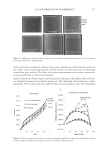
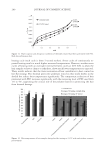
2010 TRI/PRINCETON CONFERENCE 185 Figure 5. Contour phase diagrams. The lines represent dilution lines and the points represent the dilutions prepared. coacervate could not be detected by the UV-Vis spectrometer. It was important, therefore, to visually observe each plate and to identify in which the coacervate was unobservable by the detector, and to eliminate these samples from our overall analysis. The images of the serial dilutions are shown in Figure 6 are in order of decreasing concen- tration, as represented by the points in Figure 5. The opacity of the Polyquaternium-76 and Polyquaternium-88 are due to the relative insolubility of some polymer components within these samples, and not necessarily due to the presence of coacervate. PERCENT SOLIDS IN FOAM AND LIQUID PHASE Solids concentrations for the foam and liquid phases formed, for each of the polymer/ surfactant solutions, were determined gravimetrically by drying the liquid and foam frac- tions and measuring the percent solids remaining. The percent solids in the foam and liquid appear to be statistically identical, decreasing linearly as the percent of the stock solutions decreases (Figure 7).
Purchased for the exclusive use of nofirst nolast (unknown)
From: SCC Media Library & Resource Center (library.scconline.org)