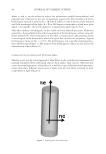
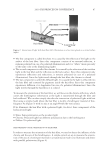
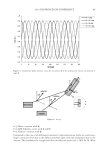
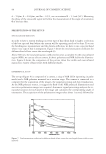
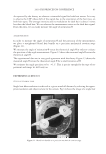
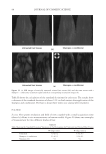
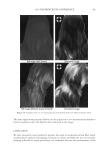
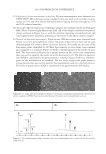
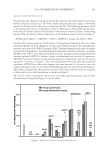
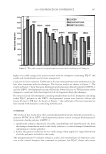
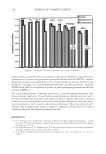
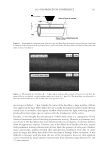
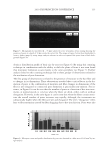
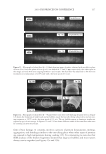
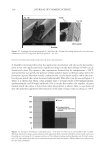
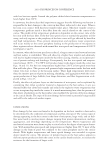
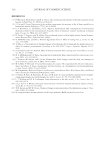
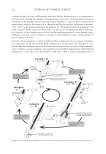
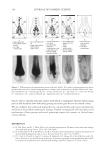
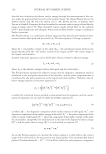
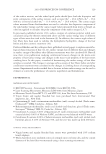
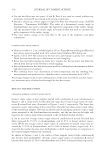
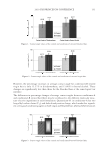
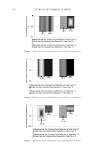
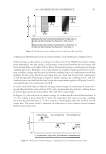
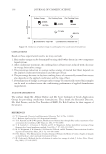
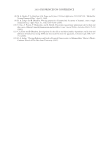
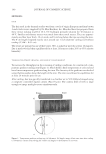
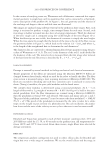
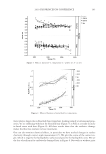
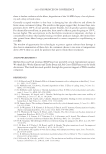
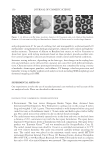
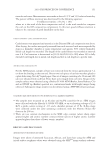
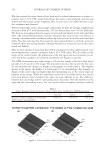
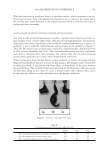
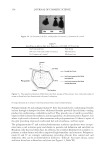
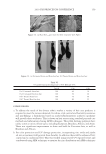
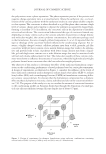
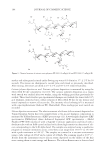
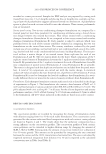
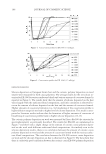
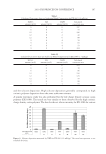
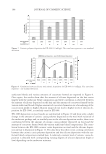
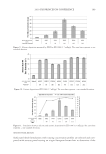
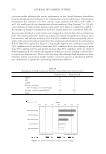
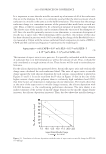
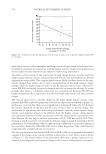
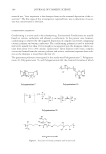
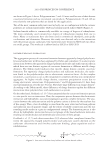
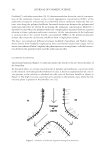
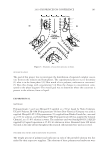
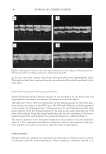
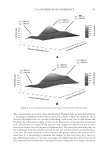
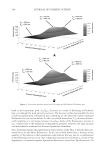
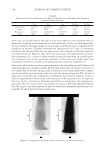
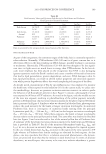
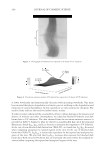
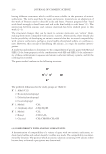
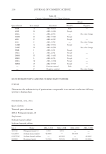
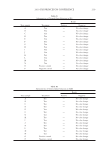
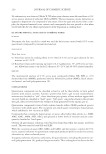
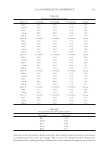
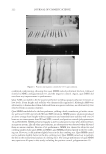
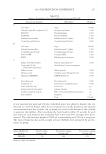
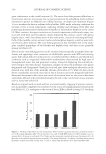
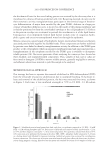
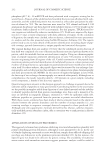
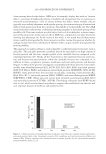
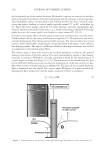
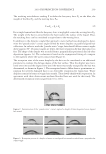
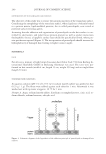
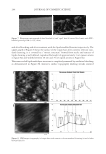
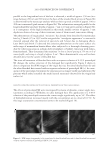
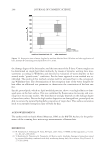
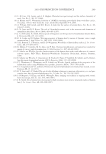
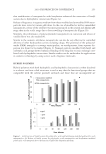
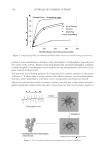
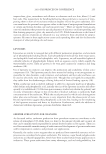
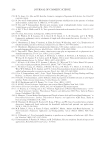
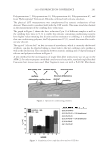
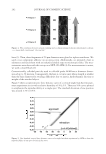
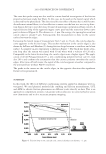
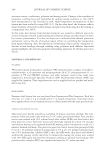
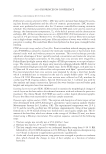
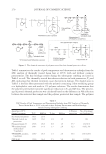
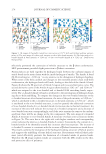
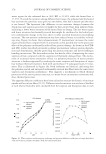
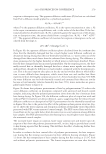
JOURNAL OF COSMETIC SCIENCE 182 Figure 3. Schematic of surfactant alignment during foam formation. Goddard (7) and other researchers (10,11) demonstrated that above the critical concentra- tion of the surfactant, known as the critical aggregation concentration (CAC), of the surfactant site-specifi c interactions occur between anionic surfactant molecules and cat- ionic sites along the polymer backbone. Increased interactions between the polymer and surfactant molecules are driven by increasing the surfactant concentration. However, a threshold occurs where the polymer-surfactant complex phase separates from the aqueous solution to form a polymer-surfactant coacervate. As the concentration of the surfactant is increased above the critical micelle concentration (CMC) of the polymer-surfactant system, the coacervate can become soluble to form a single phase system. The basic, yet unresolved, difference between Goddard’s hypothesis and Dubin’s hypo- thesis derives from Goddard’s explanation that coacervation results from single ion-ion interaction whereas Dubin’s explains the phenomenon as arising from a colloidal interac- tion between the polyelectrolyte and the surfactant micelles. COACERVATE IN THE FOAM Upon foam formation (Figure 3), surfactant molecules adsorb at the air–water interface of the foam fi lm. As discussed above, at certain concentrations of polymer and surfactant, coacervates form in the solution. As foaming/lather formation occurs, it has been explained that the coacer- vate present in the solution is adsorbed into the crust of the foam lamella as shown in Figure 4. The high viscosity coacervate gel is present in the lamella crust, while the low viscosity phase is present in the lamellar core (12).

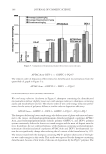
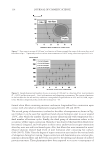
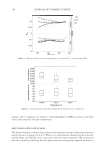
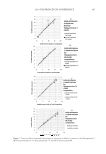
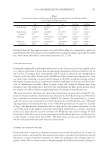
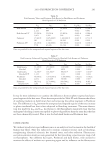
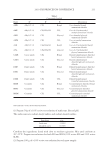
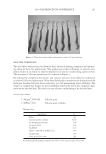
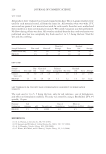
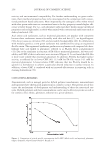
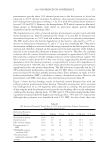
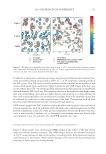
2010 TRI/PRINCETON CONFERENCE 183 Figure 4. Schematic of coacervate presence in foam. RESEARCH GOALS The goal of this project was to investigate the distribution of separated complex coacer- vate between the solution and foam phases. The experimental plan set out to determine (1) what is in the foam phase? (2) How much of it is polymer, surfactant or coacervate? (3) Does this change with concentration? (4) Does the change in concentration corre- spond to the phase diagram? The overall goal was to determine where the coacervate is present in the solution, foam or liquid. EXPERIMENTAL MATERIALS Polyquaternium-7 used was Merquat® S supplied as a 9%wt liquid by Nalco Company. UCare® Polymer JR-30M (Polyquaternium-10) from Dow Chemical Company was used as supplied. Mirapol® AT-1 (Polyquaternium-76), supplied from Rhodia Canada Inc., was used as a 10% wt solution, and Cola® Quat PDQ (Polyquaternium-88) was supplied by Colonial Chemical, as a 35.8% solution in water. The surfactant used was Standapol® ES-2 (SLE2S) supplied by Cognis Corporation as 35.8% wt solution in water. Deionized water (DI water) was used as the only solvent throughout this research. All materials were used as received. POLYMER SOLUTIONS AND SURFACTANT SOLUTIONS The weight percent of polymer and surfactant in each of the provided solution was fur- nished by their respective suppliers. The solutions of these polymers and surfactant were
Purchased for the exclusive use of nofirst nolast (unknown)
From: SCC Media Library & Resource Center (library.scconline.org)