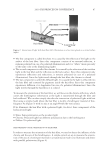
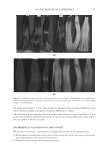
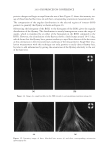
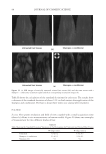
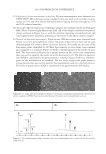
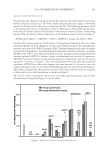
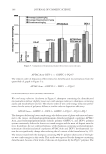
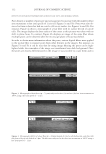
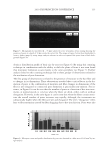
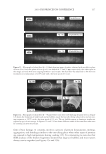
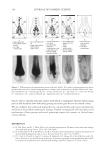
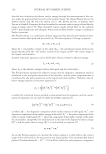
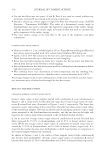
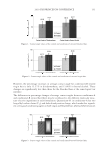
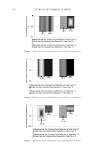
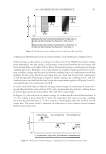
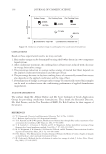
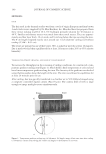
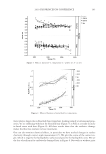
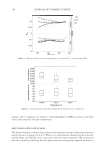
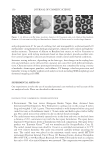
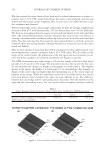
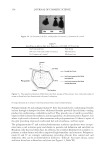
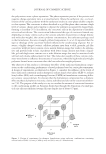
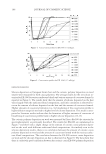
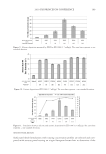
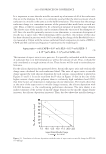
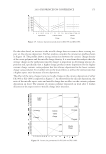
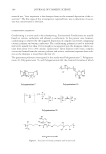
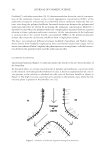
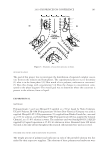
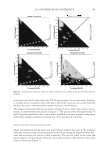
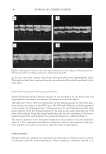
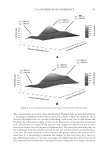
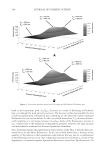
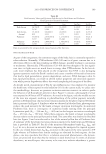
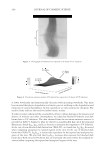
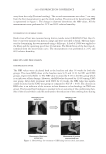
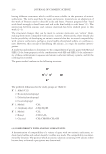
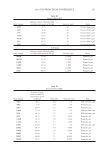
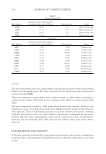
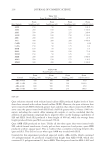
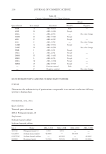
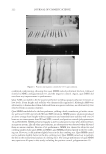
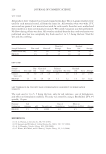
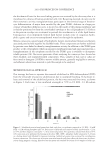
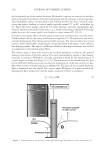
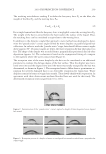
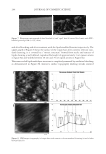
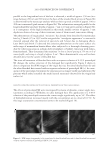
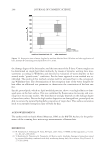
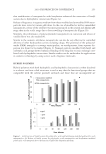
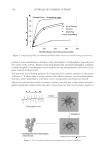
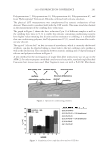
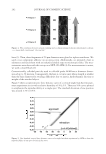
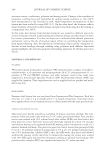
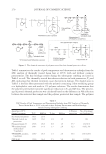
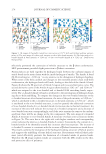
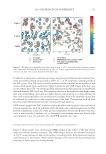
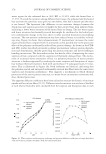
JOURNAL OF COSMETIC SCIENCE 196 band to the kynurenine peak, I509/IKyn, decreases as a result of bleaching in Piedmont hair, even though the peak intensity increases. The decrease in this ratio parallels the loss of yellow pigmentation in Piedmont hair, something we also observed in photo-damaged Piedmont hair (see section below). In the case of dark brown hair, I509 increases dramat- ically resulting in a very large increase in I509/IKyn. Some of the fl uorescence increase at I509 could be due to the formation of degradation products however, the large increase can most likely be attributed to decreased quantities of melanin. Since bleaching changes the pigmentation characteristics of the fi ber, it will also have pro- found effects on the fi ber’s fl uorescence. In the case of dark brown hair, a decrease in the quantity of Trp relative to the kynurenines could indicate that any one (or a combination) of the following processes occur: Trp is degraded, kynurenines are formed as a result of Trp degradation, or melanin impedes kynurenine fl uorescence more than Trp fl uorescence. In Figure 3. Excitation-emission matrices of (A) virgin and (B) bleached Piedmont hair.

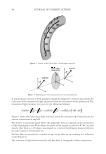
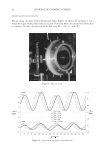
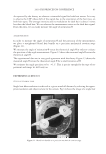
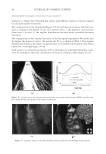
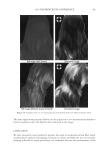
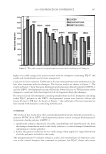
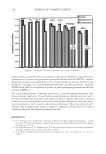
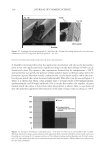
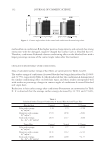
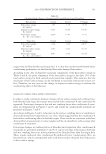
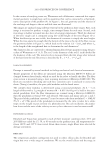
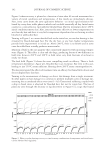
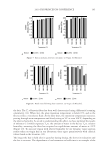
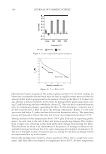
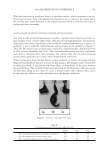
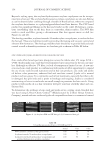
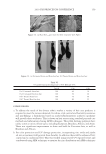
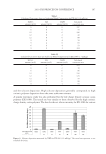
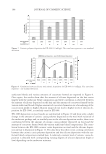
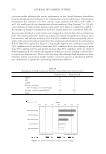
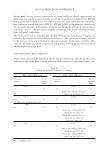
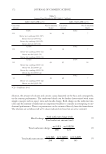
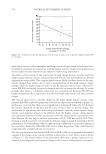
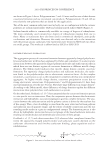
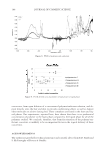
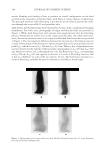
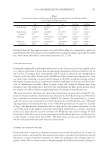
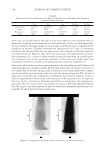
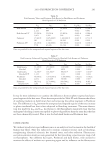
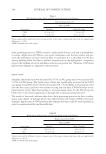
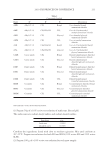
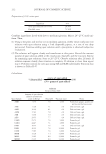
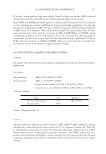
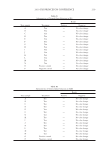
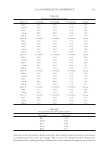
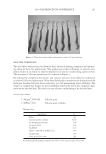
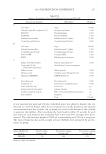
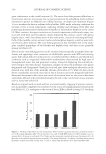
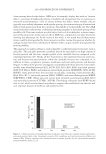
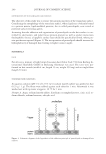
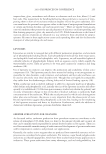
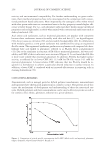
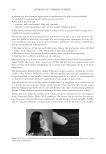
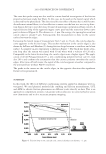
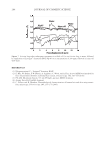
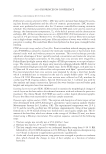
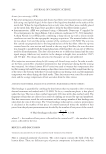
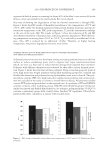
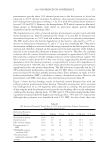
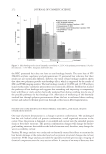
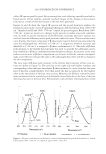
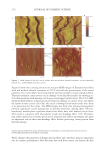
2010 TRI/PRINCETON CONFERENCE 197 Piedmont hair the Trp signal increases as a result of bleaching. It is important to point out that Piedmont hair loses almost all of its pigmentation upon bleaching, especially its yellow hue, which more than likely comes from kynurenine (11,12,14). HAIR STRAIGHTENING Commonly employed by individuals whose hair can be characterized as very tightly curled (e.g. African type hair) or frizzy, hair straightening formulations (chemical relaxers) rely on the activity of strongly basic formulations which result in chemical and morphological changes in the hair shaft. Traditionally, NaOH based (lye) relaxers were employed to carry out such a task, resulting in a great deal of damage to the fi ber including cleavage of disul- fi de bonds, changes in protein conformation (α-helix to β-sheet transitions), and the forma- tion of lanthionine crosslinks. More recently, lower pH chemical relaxers have been introduced into the market place however, they still damage the fi ber. In the present study, we examine the effects of hair straightening with a lye relaxer on hair fl uorescence. The peak intensities and ratios for chemically relaxed hair are provided in Table II. As a result of relaxer treatment, Trp fl uorescence decreases for both dark brown and Piedmont hair (compared to untreated readings in Table I). In contrast, the signal for IKyn is essen- tially the same as for untreated hair in both (dark brown and Piedmont) cases. Although Trp degradation to kynurenines may occur—which would lead one to expect an increase in IKyn—the kynurenines themselves may be degraded by the relaxer treatment. In the case of the peak at the highest excitation wavelength employed, I509, relaxer treatment results in a large decrease in peak intensity for Piedmont hair and no change for dark brown hair. This effect may be more pronounced for Piedmont hair since its fl uorescence in this region is much more discernible. The peak ratios are also provided in Table II, which correspond with the peak intensity observations. THERMAL DEGRADATION OF HAIR Frequently, hair is exposed to thermal treatments to provide desired hair set or style. In previous studies, we found that hair experiences surface (cuticular) and internal (cortical) damage as a result of thermal treatment (7). Hair also undergoes color changes upon ex- posure to heat. This is clearly evident in the photograph of Piedmont hair shown in Figure 4, Table I Peak Intensity Values and Pertinent Peak Ratios for Dark Brown and Piedmont Hair in the Virgin and Bleached States ITrp IKyn I509 ITrp/IKyn I509/IKyn Dark brown 27,300 ± 1,838 104,650 ± 7566 26,250 ± 212 0.261 ± 0.001 0.252 ± 0.020 Dark brown- bleached 31,000 ± 707 222,000 ± 22,627 137,500 ± 3,536 0.141 ± 0.017 0.622 ± 0.047 Piedmont 47,400 ± 2121 2,135,000 ± 134,350 1,540,000 ± 169,705 0.022 ± 0.000 0.720 ± 0.034 Piedmont- bleached 85,150 ± 2899 3,205,000 ± 49,497 1,585,000 ± 106,066 0.026 ± 0.000 0.494 ± 0.025
Purchased for the exclusive use of nofirst nolast (unknown)
From: SCC Media Library & Resource Center (library.scconline.org)